

Introduction
What to expect after knee replacement surgery?
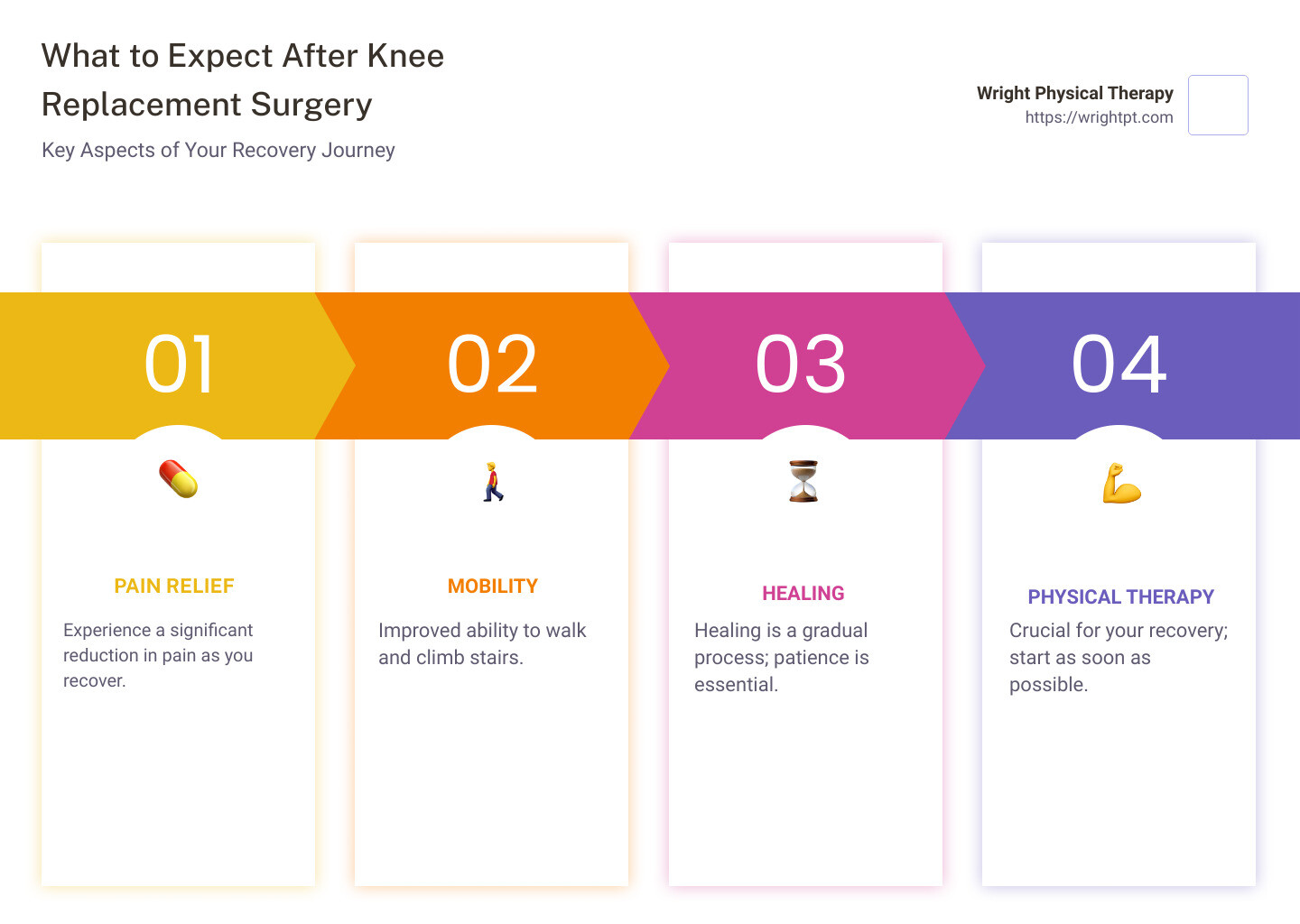
Let’s break it down right away:
- Pain Relief: Major expectation is significant reduction in pain.
- Mobility: Expect improved walking and climbing stairs.
- Healing: It’s a gradual process; patience is key.
- Physical Therapy: Crucial for recovery; start as soon as possible.
- Complications: Be on the lookout for infection, blood clots, and nerve damage.
One of the leading reasons for knee replacement surgery is to ease severe pain caused by osteoarthritis. During this procedure, the damaged sections of your knee are replaced with artificial parts made of metal and plastic. This helps in reducing pain and improving the knee’s function.
People who undergo knee replacement often struggle with activities like walking, climbing stairs, or even rising from a chair. If only one part of your knee is affected, the surgeon may replace just that part. However, if the entire knee joint is compromised, a total knee replacement will be necessary.
My name is Bryan Wright. With experience in physical therapy and a focus on improving patients’ lives, I specialize in explaining what to expect after knee replacement surgery, ensuring you are well-prepared for your recovery journey.
Here’s a quick infographic to guide you:
Next, let’s dive into how you can prepare for your knee replacement surgery to ensure a smooth recovery.
Preparing for Knee Replacement Surgery
Getting ready for knee replacement surgery involves several important steps. Proper preparation can make a big difference in your recovery. Let’s break it down:
Food and Medications
Dietary Preparations:
- Eat Healthy: A balanced diet rich in nutrients is crucial before surgery. It helps your body handle the stress of surgery better and promotes faster healing. Consider foods high in protein, vitamins, and minerals.
- Stay Hydrated: Drink plenty of water in the days leading up to your surgery unless your doctor advises otherwise.
Medication Adjustments:
- Stop Certain Medications: Your healthcare team will advise you to stop taking certain medications and dietary supplements before surgery. This often includes blood thinners and anti-inflammatory drugs.
- No Eating After Midnight: You’ll likely be instructed not to eat anything after midnight the day before your surgery to ensure your stomach is empty during the procedure.
Prepare for Recovery
Assistive Devices:
- Crutches or Walker: You’ll need these for several weeks after surgery. Arrange for them in advance.
- Ride Home: Make sure you have a ride home from the hospital, as you won’t be able to drive yourself.
Home Safety:
- Living Space: Set up a living area on one floor to avoid stairs.
- Safety Bars: Install safety bars or handrails in your shower or bath.
- Remove Hazards: Clear your home of loose rugs and cords to prevent tripping.
Home Preparation
Furniture Adjustments:
- Stable Chair: Get a stable chair with a firm seat cushion and back. A footstool to elevate your leg can also be helpful.
- Toilet Seat Riser: If you have a low toilet, a toilet seat riser with arms can make sitting and standing easier.
- Shower Bench: A stable bench or chair for your shower will help you bathe safely.
Daily Tasks:
- Meal Prep: Prepare simple meals in advance or arrange for someone to help with cooking.
- Laundry and Cleaning: Get help with these tasks, as bending and lifting will be challenging post-surgery.
Hospital Check-In
Day-of Surgery:
- Paperwork: Complete all necessary forms, including patient information, medical history, and consent forms. Some hospitals allow you to do this online beforehand.
- Meet the Anesthesiologist: You’ll meet your anesthesiologist to discuss the anesthesia plan and sign the anesthesia consent form.
- Skin Preparation: The surgical site will be cleansed and marked.
By following these steps, you’ll be well-prepared for your knee replacement surgery. Proper preparation ensures a smoother recovery and helps you get back to your daily activities faster.

Next, let’s dive into what to expect after knee replacement surgery to ensure you are well-prepared for your recovery journey.
The Day of Surgery
Anesthesia
On the day of your knee replacement surgery, you will receive anesthesia to ensure you don’t feel any pain during the procedure. You might be given a spinal block, which numbs the lower half of your body, or general anesthesia, which puts you into a sleep-like state.
Dr. John Lyon, an orthopedic surgeon, mentions that the type of anesthesia used can significantly impact your immediate post-surgery experience. With spinal anesthesia combined with a regional nerve block, “the pain should be mild to moderate at most, but very well controlled” within the first hour after surgery.
Surgical Procedure
The surgical procedure itself involves replacing the damaged parts of your knee with artificial components. The surgeon will:
- Remove the Damaged Bone and Cartilage: The ends of the thighbone (femur) and shinbone (tibia) are reshaped.
- Implant the Prosthetic Parts: Metal caps are placed on the reshaped bones, and high-density plastic replaces the damaged cartilage.
These artificial parts, known as prostheses, are designed to mimic the function of a natural knee joint. The type of prosthesis and surgical technique used will depend on various factors, including your age, weight, and overall health.
Prosthetic Parts
An artificial knee joint consists of several components:
- Metal Caps: These cover the ends of the femur and tibia.
- Plastic Spacer: This sits between the metal caps to allow smooth movement.
- Patellar Component: Sometimes, a plastic piece is also attached to the back of the kneecap.
These parts work together to replace the damaged joint and improve your knee’s function.
Recovery Room
After the surgery, you’ll be moved to the recovery room. Here, a nurse will monitor your vital signs and manage your pain. Dr. Lyon emphasizes that “a recovery room nurse will deliver medications necessary for pain control, ideally applying ice and elevating the knee to reduce swelling.”
You might feel groggy and disoriented as the anesthesia wears off. Depending on your condition, you could be moved to a regular hospital room or prepared for discharge if your surgery was outpatient.
By understanding what to expect after knee replacement surgery on the day of the procedure, you can approach the experience with more confidence and less anxiety.
What to Expect After Knee Replacement Surgery
Pain Management
Pain after knee replacement surgery is common, but it can be managed effectively. Dr. John Lyon, an orthopedic surgeon, emphasizes the importance of setting realistic expectations. He notes that pain is typically mild to moderate if spinal anesthesia with a regional nerve block is used.
Medications: You’ll receive pain medications in the recovery room. Nurses will also apply ice and elevate your knee to reduce swelling.
At Home: Once you’re home, continue using prescribed pain medications. Take them 30 minutes before physical therapy sessions to make exercises easier. If your pain meds upset your stomach, take them with food or ask your doctor for an alternative.
Physical Therapy
Physical therapy is crucial for a full recovery. It helps restore mobility, strength, and balance.
First Steps: You’ll start with simple exercises in the hospital. These might include ankle pumps and gentle knee bends.
At Home: Your physical therapist will guide you through a home exercise program. This may include walking with a walker or cane, and gradually increasing your activity level. It’s normal to experience some pain during exercises, but it should be manageable.
Long-Term: Regular visits to your physical therapist will help monitor your progress and adjust your exercise plan. The goal is to get you walking independently and performing daily activities without pain.
Hospital Discharge
Most patients leave the hospital within 1-4 days. To be discharged, you must:
- Walk short distances with a walker or crutches.
- Get in and out of bed independently.
- Bend your knee to at least 90 degrees.
- Manage your pain with oral medications.
Some patients may need to go to a rehabilitation facility, especially if they live alone or have complex medical needs.
Home Recovery
Once home, you’ll need some help for the first few weeks. Here’s how to prepare:
Home Setup: Arrange for a friend or family member to assist you. Set up a recovery area with easy access to essentials like medications, water, and snacks.
Daily Activities: Expect to take longer to do everyday tasks. You might need help with showering, dressing, and preparing meals. Use a chair with arms to help you stand up and avoid sitting for more than an hour at a time.
Diet and Hydration: Return to your normal diet but focus on healthy foods. Drink plenty of fluids and avoid alcohol.
Warning Signs
Knowing the warning signs of complications can help you act quickly. Contact your doctor if you notice:
Infection Signs:
– Persistent fever above 100°F
– Increasing redness, tenderness, or swelling around the incision
– Drainage from the wound
– Increasing pain
Blood Clot Signs:
– Pain or tenderness in your leg or calf
– Redness or swelling in your calf, ankle, or foot
– Shortness of breath or sudden chest pain (seek immediate medical attention)
Understanding what to expect after knee replacement surgery helps you prepare for the recovery journey ahead. Leading into the next section, we’ll discuss the Recovery Timeline to give you a clearer picture of your path to full recovery.
Recovery Timeline
First 24 Hours
In the first 24 hours after knee replacement surgery, you’ll wake up from anesthesia and start to regain feeling in your legs. Doctors will manage your pain with multimodal analgesia, a combination of pain relief methods. If your pain is under control, you might be asked to stand and take a few steps with the help of a physical therapist or a walker. Early movement helps speed up recovery.
First Week
During the first week, most patients are discharged and can continue their recovery at home. You’ll likely be walking with a walker or cane. Physical therapy starts right away to help regain range of motion and muscle strength. Expect some moderate to severe pain, especially during exercises. You may also notice swelling and bruising around the knee, which is normal.
“Patients will develop swelling in the leg, and there may be some bruising or redness around the incision area one week after surgery. These are normal findings,” says Dr. John Lyon.
3 to 6 Weeks
By weeks 3 to 6, you’ll see significant improvements. Many patients can walk without a walker or cane. Physical therapy continues, focusing on increasing strength and flexibility. You can start incorporating more activities into your daily routine, like walking longer distances and performing household tasks. However, avoid high-impact activities that put stress on your knee.
3 to 6 Months
From 3 to 6 months, most patients return to almost all normal activities. You’ll likely notice a significant reduction in pain and swelling. Physical therapy might continue if full range of motion hasn’t been achieved. Activities like swimming, golfing, and biking are encouraged, but avoid high-impact sports like jogging or skiing.
Full Recovery
Full recovery can take 6 months to a year. By this time, you should be able to return to most activities without pain. Some minor discomfort, stiffness, or swelling may still occur, especially after long periods of sitting or activity. It’s essential to continue prescribed exercises to maintain muscle strength and joint flexibility.
Dr. Lyon notes, “It takes about a year to a year and a half until all of the changes that have taken place resolve.”
Understanding what to expect after knee replacement surgery helps you stay on track for a successful recovery. Next, we’ll dive into Managing Pain and Swelling to ensure you’re comfortable throughout the healing process.
Managing Pain and Swelling
Managing pain and swelling is crucial to a smooth recovery after knee replacement surgery. Here’s what you need to know.
Pain Medication
Pain is a common part of recovery. Most patients will be prescribed opioid pain medications initially. However, these are usually only needed for the first few days.
Jan Hinich, a nurse at University of Utah Health, emphasizes that opioids should be used sparingly due to their addictive nature. Instead, consider switching to over-the-counter pain relievers like Tylenol or ibuprofen, which can be effective for managing pain without the risk of addiction.
Multimodal Analgesia
Multimodal analgesia is a strategy that combines different types of pain relief to minimize opioid use. This can include:
- NSAIDs (Non-Steroidal Anti-Inflammatory Drugs)
- Local anesthetics
- Nerve blocks
Using multiple methods helps control pain more effectively and reduces the need for high doses of any single medication.
Swelling Reduction
Swelling is common after knee replacement surgery and can last for several months. Here are some effective ways to manage it:
- Ice Packs: Apply ice or a cold pack for 10 to 20 minutes at a time. Always place a thin cloth between the ice and your skin.
- Elevation: Keep your leg elevated to help reduce swelling. Elevating the leg above heart level is most effective.
- Compression Stockings: Wearing compression stockings can help reduce swelling and prevent blood clots. Your doctor will advise you on how long to wear them.
Compression Stockings
Compression stockings are often recommended to help manage both pain and swelling. They improve blood flow, reduce swelling, and lower the risk of blood clots.
“These may help to prevent blood clots,” says Dr. Lyon. “Your doctor will tell you how long you need to keep wearing the compression stockings.”
Wearing these as directed can make a significant difference in your recovery.
Understanding these strategies for managing pain and swelling will help you stay comfortable and on track during your recovery. Next, we’ll explore the Recovery Timeline to give you a clear picture of what to expect in the coming weeks and months.
Physical Therapy and Exercises
Physical therapy is essential after knee replacement surgery. It helps speed up recovery, regain strength, and improve range of motion. Let’s dive into the key components of post-surgery therapy and exercises.
Importance of Physical Therapy
Physical therapy is crucial in your recovery journey. It helps you heal faster and get back to your daily activities.
“The most successful patients are generally those that understand that they do the exercises and the therapists are their coaches, cheerleaders, and monitors for those exercises,” says Dr. Lyon.
Therapists teach you how to move safely and perform exercises that strengthen your knee. They also help reduce pain and prevent complications.
CPM Machines
Some doctors prescribe Continuous Passive Motion (CPM) machines after surgery. These machines gently move your leg while you rest, helping you regain flexibility faster.
Benefits of CPM Machines:
– Helps regain range of motion
– May speed up hospital discharge
– Can be used up to 8 hours a day
However, not all insurance companies cover CPM machines, so check with your provider.
Home Exercises
Once you’re home, continuing exercises is vital. Your therapist will provide a set of exercises tailored to your needs. These exercises help maintain your progress and prevent stiffness.
Common Home Exercises:
– Ankle pumps
– Heel slides
– Straight leg raises
– Quadriceps sets
Perform these exercises as directed by your therapist to ensure a smooth recovery.
Long-Term Exercises
As you heal, you can gradually add more strenuous activities. Always consult your doctor before starting new exercises.
Safe Long-Term Activities:
– Walking
– Swimming
– Cycling on flat roads
– Golf (using a cart)
Avoid high-impact activities like jogging, running, and contact sports to protect your new knee.
“Patients should get up once an hour to walk. It’s essential to take rest breaks to elevate your leg, but keep walking and get outdoors when the weather is good,” advises Dr. Lyon.
Following these guidelines will help you regain strength and mobility, ensuring a successful recovery. Next, let’s look at the Recovery Timeline to understand what to expect in the weeks and months ahead.
Potential Complications and Risks
While knee replacement surgery can greatly improve your quality of life, it’s important to be aware of potential complications and risks. Here’s what you need to know:
Blood Clots
Blood clots are one of the most common risks after knee replacement surgery. Surgeons typically recommend blood-thinning medications to prevent this. Blood clots often form in the leg, but they can travel to the lungs and become life-threatening.
Warning Signs of a Blood Clot:
– Pain in your calf, back of the knee, thigh, or groin
– Redness and swelling in your leg or groin
– Shortness of breath or sudden chest pain
If you notice any of these symptoms, contact your doctor immediately.
Nerve Damage
During surgery, nerves around the knee can be injured, leading to nerve damage. This can cause numbness, weakness, or pain in the affected area. While nerve damage is relatively rare, it’s something to be mindful of during your recovery.
Tips for Managing Nerve Damage:
– Follow your surgeon’s advice on post-operative care
– Report any unusual sensations to your healthcare provider
– Engage in physical therapy to help restore nerve function
Infection
Infection can occur at the incision site or in the deeper tissue around the new joint. While infections are uncommon, they can be serious and require additional surgery to treat.
Warning Signs of Infection:
– Increased pain, swelling, warmth, or redness
– Pus draining from the incision
– Fever higher than 100°F
– Shaking chills
Always follow your doctor’s instructions for incision care to minimize the risk of infection.
Implant Wear and Tear
The implants used in knee replacements are durable, but they are not indestructible. Over time, they may loosen or wear out, requiring another surgery to replace them. Factors like your activity level, weight, and overall health can affect how long your implant lasts.
Maintaining Your Implant:
– Avoid high-impact activities like running or skiing
– Follow your physical therapy program to strengthen muscles around the knee
– Schedule regular check-ups with your surgeon to monitor the condition of your implant
Understanding these potential complications and risks can help you take proactive steps to ensure a smooth recovery. Next, let’s explore the Recovery Timeline to see what milestones you can expect in the weeks and months ahead.
Frequently Asked Questions about Knee Replacement Surgery
What are the hardest days after knee replacement?
The first week after knee replacement surgery is often the toughest. Pain and inflammation are at their peak during this time. According to Dr. John Lyon, “The first week is the hardest, with the most significant pain occurring while the knee is inflamed and recovering from acute inflammation.”
Expect disrupted sleep and moderate to severe pain, especially when performing knee exercises. However, this pain is part of the healing process and will improve over time.
How long does it take to walk after a full knee replacement?
Most people start walking with the help of a walker or cane within the first few days after surgery. By one week, you should be able to walk short distances around your home.
Dr. Lyon notes that “most people are comfortable walking longer distances without a cane at around six weeks.” However, this can vary depending on your overall health and how diligently you follow your physical therapy program.
How long is bed rest after knee replacement?
Contrary to what some might think, bed rest is not recommended after knee replacement surgery. In fact, early movement is crucial for a successful recovery. You’ll likely start physical therapy the day after surgery, focusing on gentle exercises to regain range of motion.
Using an assistive device like a walker or cane will help you move around safely. Rest when you feel tired, but avoid staying in bed all day. This will help you avoid complications like blood clots and muscle stiffness.
Understanding these FAQs can help you prepare for what to expect after knee replacement surgery. Next, let’s dive into the Recovery Timeline to understand the milestones you can expect in the weeks and months ahead.
Conclusion
At Wright Physical Therapy, we understand that knee replacement surgery is a significant event in your life. Our goal is to make your recovery as smooth and successful as possible through personalized care, community support, and patient education.
Personalized Care
Every patient’s journey is unique, and we tailor our approach to meet your specific needs. From the moment you step into our clinic, our expert therapists will create a customized treatment plan designed to help you regain strength, mobility, and independence. Our post-surgical rehabilitation programs are grounded in the latest research and best practices to ensure optimal outcomes.
Community Impact
We are deeply rooted in our community and committed to making a positive impact. Our team works closely with local healthcare providers, community organizations, and support groups to offer comprehensive care. This collaborative approach ensures that you have access to all the resources you need for a successful recovery.
Patient Education
Education is a cornerstone of our practice. We believe that informed patients are empowered patients. Our therapists take the time to explain every aspect of your recovery process, from pain management techniques to safe exercise routines. We also provide you with educational materials and resources to help you understand what to expect after knee replacement surgery and how to take care of yourself at home.
Thank you for choosing Wright Physical Therapy as your partner in recovery. We are here to support you every step of the way, helping you return to an active and fulfilling life. If you have any questions or need further assistance, don’t hesitate to reach out to us. Your path to recovery starts here.