
Understanding the Many Causes of Knee Pain
Knee pain is a common complaint among adults, often resulting from wear and tear associated with daily activities like walking, bending, or lifting. Sports, aging, and repetitive stress can also play significant roles.
The main causes of knee pain can include:
- Injuries such as sprains, strains, or fractures
- Arthritis and other medical conditions
- Overuse injuries like tendinitis or bursitis
These situations can impact people of all ages, making daily life challenging and even painful. I’m Bryan Wright, and with years of experience in physical therapy, I aim to help you understand the diverse causes of knee pain and find effective solutions for relief.
We’ll explore the root causes of knee pain and discuss ways to manage and prevent it, ensuring you can get back to enjoying a pain-free lifestyle.
Common Causes of Knee Pain
Knee pain can stem from various sources. Understanding these causes can help you manage or even prevent the discomfort. Let’s break down the most common reasons for knee pain into three categories: injuries, overuse and physical problems, and medical conditions.
Injuries Leading to Knee Pain
Injuries are a frequent source of knee pain, often occurring suddenly or over time. Here are some common types:
Sprains and Strains: These involve overstretched or torn ligaments and muscles. They can result from sudden movements or impacts.
Ligament Tears: The ACL (anterior cruciate ligament) is a common site for tears, especially in sports requiring quick direction changes, like soccer or basketball.
Cartilage Tears: The meniscus acts as a shock absorber between your shinbone and thighbone. A sudden twist while bearing weight can tear this tough, rubbery cartilage.
Fractures: Knee bones, including the kneecap, can break due to falls or car accidents. Even a simple misstep can cause a fracture if you have weakened bones from conditions like osteoporosis.
Impact Injuries: Getting hit on the knee, such as during contact sports, can cause swelling and pain due to the immediate trauma.
Overuse and Physical Problems
Repeated stress and physical issues can also lead to knee pain. Here are some examples:
Overuse Injuries: Activities like running or jumping can put repeated pressure on the knee, leading to conditions like “runner’s knee.”
Patellar Tendinitis: This is inflammation of the tendon connecting the kneecap to the shinbone, often referred to as “jumper’s knee.”
IT Band Syndrome: The iliotibial band runs from your hip to the outer part of your knee. Overuse can cause this band to become inflamed, leading to pain on the outer side of the knee.
Old Injuries: Previous injuries that didn’t heal properly can cause recurring pain.
Aging: As we age, our bones and joints can degenerate, leading to knee pain and swelling.
Obesity: Carrying extra weight puts additional stress on the knees, causing pain and swelling.
Baker’s Cyst: This is a fluid-filled lump that develops at the back of the knee, often due to an injury or arthritis.
Arthritis and Other Medical Conditions
Several medical conditions can cause knee pain, especially different types of arthritis:
Osteoarthritis: This “wear and tear” arthritis breaks down the cartilage in the knee, causing pain and stiffness, especially in people over 50.
Rheumatoid Arthritis: An autoimmune condition that attacks the knee’s healthy tissue, causing swelling, stiffness, and pain.
Gout: Caused by a buildup of uric acid in the blood, leading to sudden, intense joint pain and swelling.
Lupus: An immune system condition that causes inflammation and pain in the knee joints.
Psoriatic Arthritis: This type of arthritis affects some people with psoriasis, causing joint pain and swelling.
Bursitis: Inflammation of the bursae, small sacs of fluid that cushion the knee joint, often due to injury.
Dislocated Kneecap: When the patella slips out of place, often to the outside of the knee.
Meniscal Tear: A common sports injury causing pain and swelling due to a tear in the cartilage.
Osgood-Schlatter Disease: Often affecting adolescents, this condition causes pain and swelling below the kneecap where the tendon from the kneecap attaches to the shinbone.
Patellofemoral Pain Syndrome: Pain arising between the kneecap and the underlying thighbone, common in athletes and young adults.
Knee pain can be a complex issue with many potential causes. Understanding these can help you seek the right treatment and get back to your normal activities.
Next, we’ll discuss how to diagnose knee pain and the symptoms to watch for.
Diagnosing Knee Pain
When knee pain strikes, diagnosing the root cause is essential for effective treatment. Let’s explore the symptoms to watch for and the diagnostic procedures that can help pinpoint the issue.
Symptoms to Watch For
Knee pain can manifest in various ways. Here are some key symptoms to look out for:
- Pain: This can range from a dull ache to sharp, intense pain. It might occur during movement or even when you’re resting.
- Swelling: Noticeable puffiness around the knee can indicate inflammation or injury.
- Stiffness: Difficulty in bending or straightening the knee fully.
- Redness and Warmth: These signs of inflammation can accompany infections or other conditions.
- Popping Noise: A popping sound at the time of injury might suggest a ligament tear.
- Clicking and Locking: These can be signs of cartilage damage or meniscal tears.
- Trouble Walking: Pain or instability that makes walking difficult.
- Knee Buckling: Feeling like your knee is giving way under you.
If you experience any of these symptoms, especially if they persist, it’s time to seek professional help.
Diagnostic Procedures
To diagnose knee pain accurately, medical professionals use several diagnostic tools and tests:
-
Medical Examination: Your doctor will start with a thorough physical exam, checking for tenderness, swelling, range of motion, and stability in the knee. They will also review your medical history and ask about your symptoms.
-
X-ray: An X-ray provides a clear image of the bones in the knee. It helps to identify fractures, bone spurs, and signs of arthritis.
-
MRI (Magnetic Resonance Imaging): An MRI uses magnets and radio waves to create detailed images of the knee’s soft tissues, including ligaments, tendons, and cartilage. This is particularly useful for detecting ligament tears and meniscal injuries.
-
CT Scan: A CT scan combines X-ray images taken from different angles to create a detailed cross-sectional view of the knee. It can reveal both bone and soft tissue problems.
-
Arthroscopy: This minimally invasive procedure involves inserting a small camera into the knee joint through a tiny incision. It allows doctors to view the inside of the knee in real-time and can also be used for minor surgical repairs.
-
Radionuclide Bone Scan: This test involves injecting a small amount of radioactive material into the bloodstream. A scanner detects the material in the bones, highlighting areas of increased bone activity that might indicate fractures, infections, or other conditions.
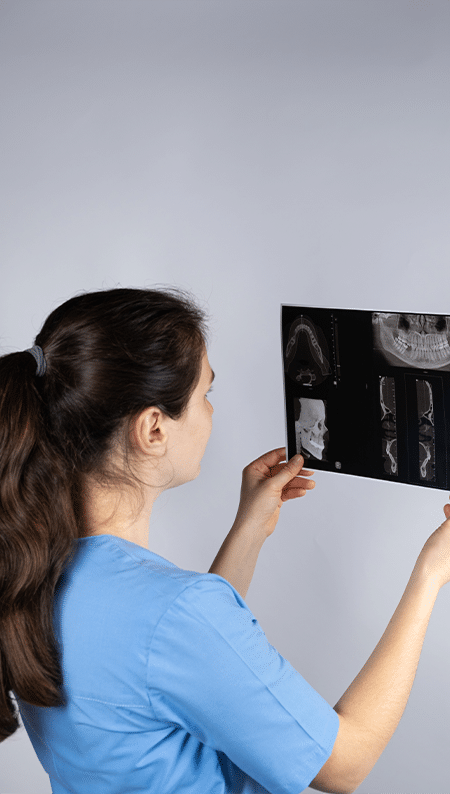
These diagnostic tools help doctors understand the underlying causes of knee pain and develop a targeted treatment plan.
Next, we’ll explore various treatment and prevention methods to manage and alleviate knee pain.
Treatment and Prevention
Home Care and Self-Management
Many causes of knee pain can be managed with simple home care techniques. One effective approach is the RICE method:
- Rest: Stop activities that aggravate the knee pain. Give your knee time to heal.
- Ice: Apply an ice pack for 15-20 minutes every hour on the first day. After that, ice every 3-4 hours.
- Compression: Use an elastic bandage to reduce swelling. Make sure it’s snug but not too tight.
- Elevation: Prop your knee up with pillows to reduce swelling. Keep it above heart level.
Anti-inflammatory medications like ibuprofen or naproxen can also help relieve pain and reduce inflammation. However, consult your healthcare provider before taking these, especially if you have underlying health conditions.
Incorporate stretching and strengthening exercises to improve flexibility and muscle support around your knee. Physical therapists often recommend exercises custom to your condition.
Professional Treatments
Sometimes, home care isn’t enough, and professional treatments are necessary. These might include:
- Corticosteroid Shots: These injections can reduce inflammation and relieve pain, particularly for arthritis.
- Fluid Removal: If there’s excess fluid in your knee, your doctor might drain it to reduce swelling and pain.
- Surgery: In severe cases, surgical intervention might be required. This can range from minor repairs to a full knee replacement.
- Orthotics: Custom-made shoe inserts can help correct alignment issues and reduce knee stress.
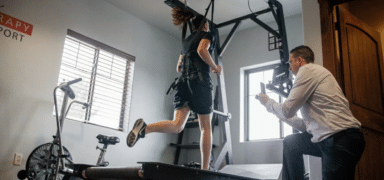
Physical therapy is a cornerstone of professional treatment for knee pain. Therapists use a combination of exercises, manual therapy, and modalities like ultrasound to improve joint function and reduce pain.
Preventing Knee Pain
Preventing knee pain is often easier than treating it. Here are some tips:
- Warm-Up and Cool Down: Always warm up before exercising and cool down afterward to prevent injury.
- Stretching: Regular stretching helps maintain flexibility and reduce the risk of injury.
- Proper Footwear: Wear shoes that fit well and provide adequate support.
- Weight Management: Maintaining a healthy weight reduces stress on your knees.
- Low-Impact Exercises: Activities like swimming or cycling are easier on the knees than running or jumping.
- Knee Pads: Use knee pads if your activities involve prolonged kneeling.
By incorporating these practices into your routine, you can reduce the risk of knee pain and keep your joints healthy.
Next, we’ll discuss how to recognize when it’s time to seek medical attention for knee pain.
Conclusion
Knee pain can significantly impact your quality of life, whether it stems from an injury, overuse, or a medical condition like arthritis. Fortunately, there are effective treatments and preventive measures available to help manage and relieve knee pain.
At Wright Physical Therapy, we specialize in personalized care custom to your specific needs. Our team of dedicated physical therapists will work with you to develop a customized treatment plan that targets the root cause of your knee pain. Whether you need to strengthen weak muscles, improve your flexibility, or recover from an injury, we are here to support you every step of the way.
We believe in the power of patient education. Understanding the causes and treatments of knee pain empowers you to take control of your health. Our therapists will guide you through exercises and techniques that you can do at home to maintain and improve your knee function.
Wright Physical Therapy is committed to community impact. We strive to make a positive difference in the lives of our patients by offering effective treatment options and efficient care. Our goal is to help you get back to your daily activities with less pain and more confidence.
If knee pain is holding you back, don’t wait any longer. Contact Wright Physical Therapy today to schedule an appointment and start your journey towards long-lasting pain relief. Our team is ready to help you achieve a healthier, more active lifestyle.