
AC joint treatment physical therapy is a key approach to addressing the discomfort and challenges associated with injuries to the acromioclavicular joint, located at the top of the shoulder. If you’ve landed here, you’re likely seeking solutions for shoulder pain emanating from this specific joint, whether due to a sudden fall or long-term overuse. Here’s a quick takeaway:
- Overview: Involves exercises and techniques aimed at reducing pain, improving mobility, and strengthening the shoulder.
- Common Causes: Direct falls on the shoulder, repetitive overhead activities, or high-impact sports.
- Goal: To facilitate recovery and restore optimal shoulder function without invasive procedures.
Wright Physical Therapy is committed to providing effective and personalized solutions for those battling shoulder pain, helping individuals regain their strength and live life to the fullest.
I’m Bryan Wright, a dedicated professional passionate about alleviating pain through high-skilled physical therapy. With vast experience in ac joint treatment physical therapy, I blend expertise with a caring approach to help my clients overcome pain and achieve lasting relief. Now, let’s dive deeper into understanding AC joint injuries and how to manage them effectively.
Understanding AC Joint Injuries
Symptoms and Diagnosis
AC joint injuries can be a real pain—literally. Whether you’ve taken a hard fall or have been overusing your shoulder, understanding the symptoms and diagnosis of these injuries is crucial.
Traumatic Injuries: These often occur from a direct impact, like falling on your shoulder during a game of football or a biking accident. The impact stresses the ligaments that hold the clavicle and acromion together, leading to a separation.
Overuse Injuries: These sneak up on you. If you’re a weightlifter or someone whose job involves repetitive overhead motions, you might be at risk. Over time, stress on the joint can lead to cartilage wear and even arthritis.
Symptoms to Watch Out For:
-
Pain and Swelling: This is usually the first sign. If your shoulder’s acting up after an accident or lots of overhead work, pay attention.
-
Shoulder Strength Loss: You might notice that your shoulder feels weaker or that it’s harder to lift or carry objects.
-
Popping Sounds: Moving your shoulder might produce a popping sound or a catching feeling.
-
Visible Bump: A noticeable bump on top of the shoulder could indicate a separation.
Diagnostic Imaging: To get a clear picture of what’s going on, your physical therapist might recommend an X-ray, MRI, or ultrasound. These tests help determine the extent of the injury and guide the treatment plan.
Understanding these symptoms and getting a proper diagnosis is the first step in tackling AC joint injuries. With the right approach, you can manage the pain and get back to your usual activities.
Next, we’ll explore the protocols for ac joint treatment physical therapy and how they can help you on the road to recovery.
AC Joint Treatment Physical Therapy
When it comes to ac joint treatment physical therapy, a well-structured approach can make all the difference. Here’s how a typical protocol unfolds:
Physical Therapy Protocols
Patient Education: Understanding your injury is the first step toward recovery. A physical therapist will explain how the AC joint functions and what activities might exacerbate your pain. This knowledge empowers you to make informed decisions about your daily activities.
Pain Management: Managing pain is crucial. Initial steps often include applying ice to reduce swelling and taking anti-inflammatory medications. Your therapist might also recommend modifying activities that trigger discomfort. These strategies can help you avoid relying on medications like opioids.
Range-of-Motion Exercises: Once the initial pain subsides, gentle exercises to restore mobility are key. These exercises prevent stiffness and help maintain joint function. Simple movements like neck rotations and shoulder rolls are often introduced early in the therapy.
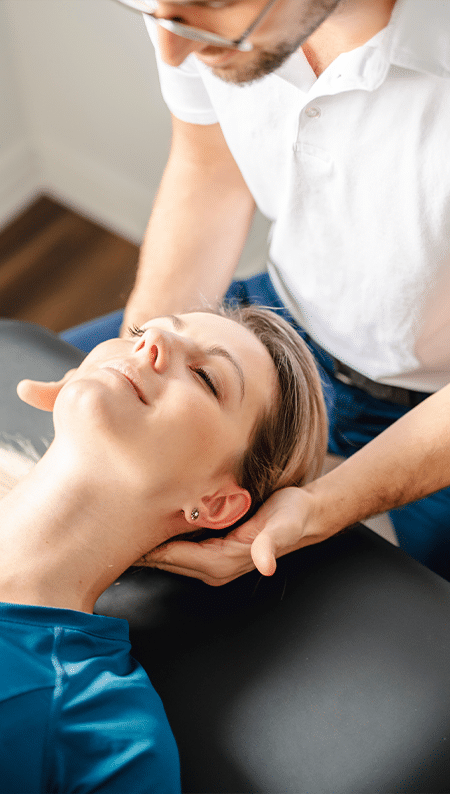
Manual Therapy: Your therapist may use hands-on techniques to improve mobility and reduce pain. By gently manipulating the shoulder and surrounding muscles, manual therapy can help restore normal movement patterns.
Functional Training: As you progress, the focus shifts to functional training. This involves teaching your body to move safely and efficiently. Whether it’s lifting objects or performing sports-specific tasks, functional training prepares you for real-world activities.
Best Exercises for Recovery
The right exercises can accelerate recovery and restore shoulder function. Here are some of the best exercises for AC joint recovery:
-
Neck Rotation: Helps improve flexibility and relieve tension in the shoulder area.
-
Shoulder Rolls: These are great for warming up the shoulder and improving circulation.
-
Goalpost Stretch: This stretch improves shoulder flexibility and helps open up the chest.
For Grade 1-3 injuries, the protocol varies:
-
Grade 1 Injuries: Typically involve wearing a sling for a few days. Light exercises like isometric movements can begin early, progressing to a more structured program as symptoms resolve.
-
Grade 2 Injuries: Similar to Grade 1 but may require a longer period in a sling. The approach is more extensive, with a gradual increase in exercise intensity.
-
Grade 3 Injuries: These might need a longer recovery period. Therapy focuses on gentle range-of-motion and isometric exercises initially, with a more detailed plan as healing progresses.
By following these protocols and incorporating effective exercises, patients can often return to normal activities within weeks. The key is a personalized plan that aligns with your specific needs and goals.
Next, we’ll dig into prevention tips and how Wright Physical Therapy can offer personalized care for AC joint injuries.
Conclusion
Preventing AC joint injuries might seem challenging, especially when accidents are involved, but there are effective strategies to minimize the risk. At Wright Physical Therapy, we believe in empowering our patients with knowledge and personalized care to keep injuries at bay.
Prevention Tips
Strength and Flexibility: Regularly engage in exercises that strengthen shoulder muscles and improve flexibility. This helps support the AC joint and reduces strain during activities.
Proper Technique: Whether you’re lifting weights or playing sports, using the right technique is crucial. Our therapists can guide you on proper form to prevent overuse injuries.
Gradual Progression: Avoid sudden increases in activity intensity. Gradually build up your workouts to give your body time to adapt.
Listen to Your Body: Pay attention to any signs of discomfort or pain. Early intervention can prevent minor issues from becoming major problems.
Wright Physical Therapy: Personalized Care
At Wright Physical Therapy, we pride ourselves on offering personalized care that targets pain at its source. Our approach combines compassionate competence with great character, ensuring each patient receives effective and efficient treatment.
Custom Treatment Plans: We understand that each injury is unique. Our therapists design treatment plans that cater to your specific condition, lifestyle, and goals.
Patient Education: We believe informed patients make better decisions. Our team provides extensive education on injury prevention and recovery to empower you in your health journey.
Community Impact: As a part of the Idaho community since 2008, we are committed to making a positive impact. Our focus on patient education and personalized care reflects our dedication to enhancing community health.
If you’re looking for a partner in your recovery journey, Wright Physical Therapy is here to help. Our skilled therapists are ready to guide you from pain to gain, ensuring you get back to doing what you love with confidence and strength.
Prevention is just as important as treatment. By incorporating these tips into your routine, you can safeguard your AC joint and enjoy a healthier, more active lifestyle.