
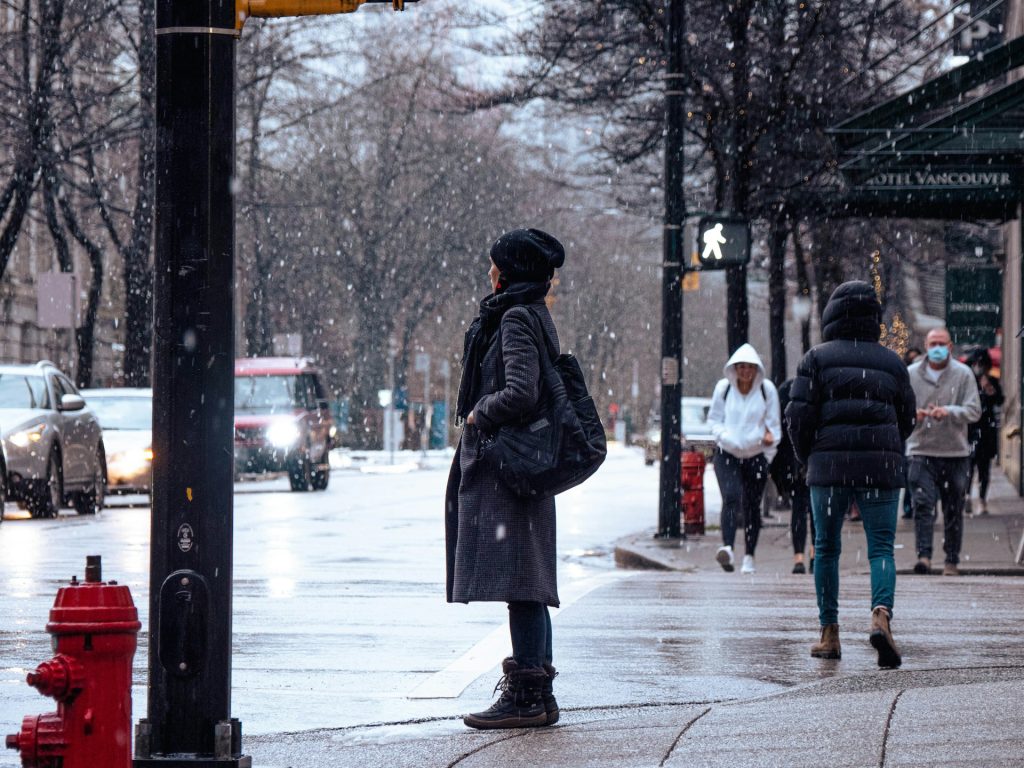
When the temperatures drop in Blackfoot, Idaho, many of us feel those aches and stiffness creep in, especially in the joints. If you’ve ever stood outside for a long time during winter, maybe shoveling your driveway, waiting to get into an event, or helping at a school drop-off, you might have noticed sharp or dull pain building in your ankles. It’s more than just the cold air. That discomfort is your body reacting to a mix of weather, tension, and inactivity.
Winter tends to reveal the spots in our body that need a little extra care. And for a lot of people in our community, ankles are one of those stress points that act up without warning. Our goal here is to help you understand why this happens and what you can start doing about it. Whether your ankle pain comes and goes or seems to stick around, it’s easier to deal with once you know what’s really going on.
What Cold Weather Really Does to Your Ankles
When the cold sets in, your body changes the way it functions to keep you warm. But those changes can backfire, especially when you’re standing still for too long outside. One of the first things that happens is your muscles naturally tighten up to hold in heat.
• Tighter muscles around your ankle joints reduce flexibility, making it uncomfortable to stand in one place.
• The cold restricts blood vessels, which slows circulation and makes it harder for your joints to stay warm and loose.
• Without movement, the tissue around your ankles stiffens up, which can make even simple steps feel jarring.
Your ankles are designed to move as part of almost every activity, and standing for hours without shifting or walking cuts off that movement, which is even harder on your body in colder air. Over time, the stiffness may lead to sharper pain or ongoing discomfort that flares up each winter.
Common Habits That Make Ankle Pain Worse in Winter
A lot of people don’t realize their daily choices make ankle pain worse, especially when standing in cold weather becomes common. Whether it’s outdoor chores or time spent at community events, here’s where small things may be adding to the pain.
• Wearing boots or shoes with poor support is one of the biggest contributors. Cold weather styles often focus on warmth, not stability. Thin soles and loose ankles don’t help when standing still outdoors.
• Another issue is skipping movement. If you’re standing in place for 30 minutes or more without shifting weight or doing simple leg movements, soreness is likely to follow.
• Many ignore early signs of pain. That initial tightness or dull ache is your body asking for a break or better support. Ignoring it can cause small strains that grow worse with each outing.
You don’t need to be an athlete or have a history of injuries to deal with ankle pain in the cold. These habits can affect anyone, especially during long outdoor activities during freezing months.
How a Physical Therapist Can Help Reduce Cold-Related Ankle Pain
Winter in Blackfoot, Idaho, can be hard on your joints. And while some discomfort might seem like part of living here, there are ways to feel stronger and more comfortable through the season. Seeing someone who truly understands how cold affects our bodies can make a difference.
• A good physical therapist knows how cold weather limits the way joints move and what adjustments are needed for safer activity.
• Therapy plans made just for you can improve ankle strength, support soft tissues, and help your body adapt to standing or moving during winter.
• At Wright Physical Therapy in Blackfoot, Idaho, care plans are individualized and include hands-on manual therapy, advanced techniques, and movement training to reduce pain and improve function.
It’s not just about fixing pain once it gets bad. It’s about building better habits for movement and long-term comfort.
Simple Ways to Support Ankle Health Between Appointments
Even if you’re getting help for ankle pain, small actions during the week can add up to big relief. The cold isn’t going away anytime soon, so it helps to be proactive about keeping your ankles warm and working.
• Keep your ankles moving with small foot circles or flexing exercises. Doing this a few times each hour when standing outdoors helps with circulation and prevents stiffness.
• Wear thick, warm socks that allow movement and avoid tight bands around your ankle. Pair those with supportive boots that keep your feet stable, not just insulated.
• Whenever possible, shift from one foot to the other or do short walks in place. Even a few steps keeps the muscles warm, preventing that frozen feeling in your joints.
Physical therapists at Wright Physical Therapy can also educate you on preventive stretches and customized exercise routines to help maintain ankle mobility and strength through the colder months.
Staying mobile in the cold doesn’t mean you need to rush. It just means keeping the body from locking up as it tries to protect itself.
Ease Cold Weather Ankle Pain and Keep Moving
Winter doesn’t have to mean battling pain every time you step outside. With more awareness of how your ankles react to the cold, support from trusted local professionals, and smart changes in routine, that sharp feeling after standing still doesn’t have to be part of your normal.
Moving through Idaho winters comfortably means paying attention, acting early, and getting the right support for your lifestyle. Whether you’re dealing with ankle pain that’s been there for weeks or just starting to notice discomfort, small actions now can make winter feel a lot less heavy on your joints.
Don’t let chilly temperatures dictate your comfort and mobility this winter. At Wright Physical Therapy, we specialize in helping you overcome the challenges that cold weather brings to your joints. With a personalized approach to physical therapy in Blackfoot, Idaho, we offer the expertise and support you need to ease ankle pain and maintain your active lifestyle. Connect with us today to start your journey toward better movement and lasting relief.