

Finding the Best Physical Therapy Near You
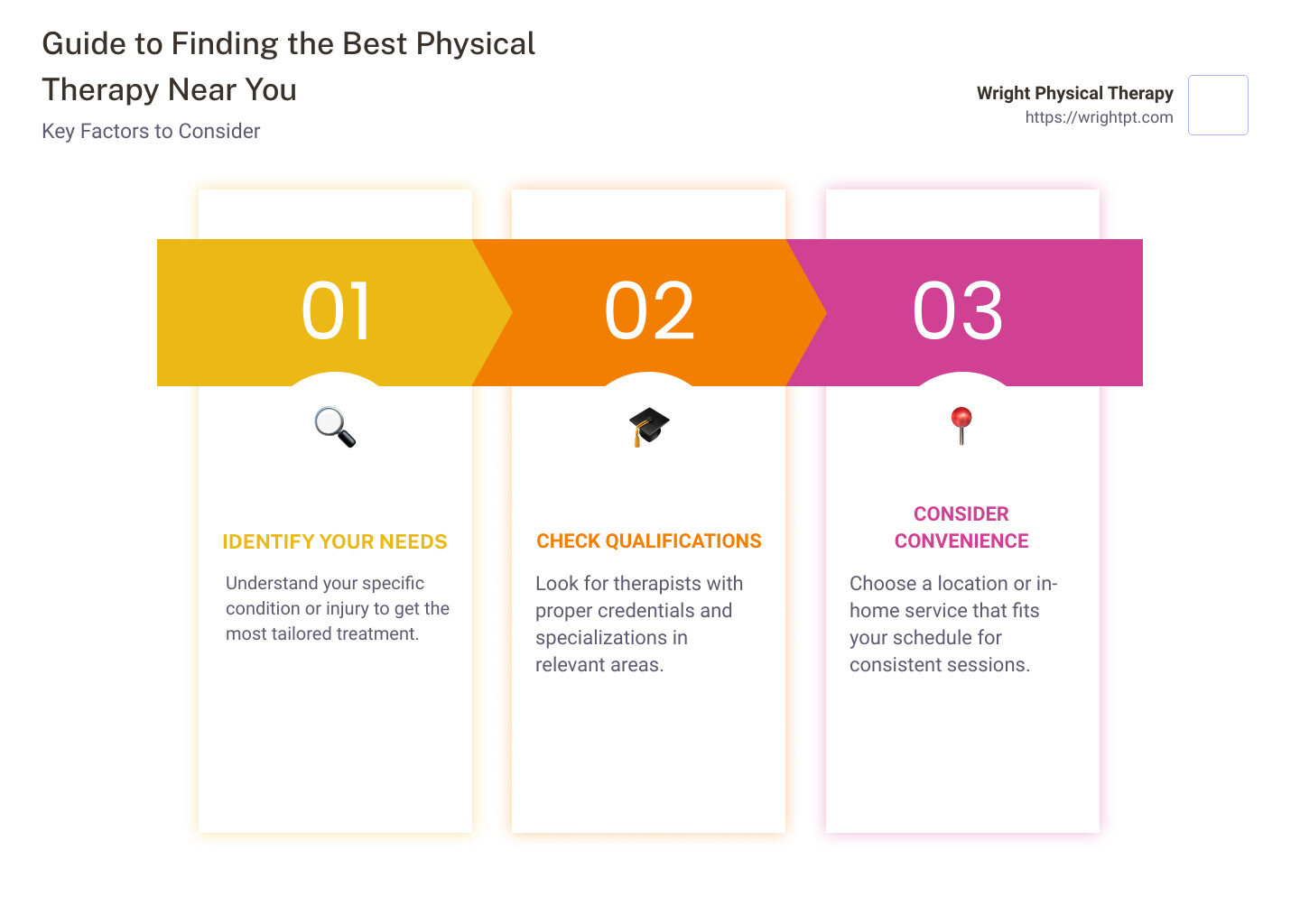
Finding the best physical therapy near me can seem overwhelming. However, selecting the right therapist is crucial for optimal recovery and personalized care that fits your needs. Here’s a quick guide to help you get started:
- Identify your needs: Understand your specific condition or injury.
- Check qualifications: Look for therapists with proper credentials and specializations.
- Consider convenience: Choose a location or in-home service that fits your schedule.
Physical therapy is important for restoring mobility, reducing pain, and improving overall well-being. Whether you’re dealing with acute or chronic pain, a tailored physical therapy program can make a significant difference in your recovery journey.
I’m Bryan Wright. With a passion for alleviating suffering through high-skilled physical therapy, I aim to help you find the best physical therapy near me. With years of experience, I focus on innovative solutions and creating uplifting environments for effective treatment.
What to Look for in a Physical Therapist
Finding the right physical therapist is crucial for your recovery. Here are key factors to consider:
Clear Fitness Goals
A good physical therapist will help you set clear fitness goals. These should be specific, measurable, and tailored to your needs. For example, if you’re recovering from a knee injury, your goal might be to walk without pain within six weeks. Setting these goals helps track progress and keeps you motivated.
Good Bedside Manner
A therapist’s demeanor can significantly impact your recovery. Good bedside manner means they are patient, listen to your concerns, and explain treatments clearly. One patient shared, “I was very impressed with her Nancy Drew abilities to find why my mystery pain I was having.” This shows the importance of feeling understood and cared for.
Different Treatment Techniques
Look for a therapist skilled in various treatment techniques. These can include:
- Manual therapy: Helps relax tight muscles and improve circulation.
- Therapeutic exercise: Customized exercises to strengthen your body.
- Ultrasound therapy: Uses sound waves to reduce inflammation.
- Electrical stimulation: Helps manage pain and improve muscle strength.
Having a range of techniques ensures you get a comprehensive treatment plan.
Injury Expertise
Your therapist should have expertise in treating your specific injury or condition. For example, if you’re recovering from a stroke, you need someone experienced in neurological rehabilitation. One client noted, “In seven sessions, they have helped me significantly deal with the effects of Parkinson’s.” This highlights the importance of specialized knowledge for effective treatment.
Motivation
A good therapist will keep you motivated. They should encourage you to push your limits safely. One testimonial reads, “She motivates her clients to go the extra mile.” This kind of support can make a big difference in your recovery journey.
Finding a therapist who excels in these areas will help you achieve the best results. Ready to learn more about the best physical therapy near me? Let’s dive into the next section.
Types of Physical Therapy Treatments
When it comes to physical therapy, there are several different treatments available. Each type has its own benefits and is chosen based on your specific needs. Let’s explore some of the most common types of physical therapy treatments.
Manual Therapy
Manual therapy involves hands-on techniques to manipulate muscles and joints. This can help relieve pain, improve mobility, and restore function. Techniques include:
- Massage: Helps relax tight muscles, improve circulation, and alleviate stress on the body.
- Joint Mobilization: Involves gentle movements of the joints to improve function and decrease discomfort.
These methods are particularly effective for conditions like back pain, neck pain, and joint issues.
Therapeutic Exercise
Therapeutic exercises are customized programs designed to strengthen the body, enhance fitness, and prevent future injuries. Some key benefits include:
- Increased Strength: Building muscle strength to support and stabilize the joints.
- Improved Fitness: Enhancing overall physical health and endurance.
These exercises are especially beneficial for patients recovering from surgery or sports injuries, and those managing chronic conditions like arthritis.
Heat and Cold Therapy
Heat and cold therapies are used to reduce pain and inflammation. These treatments can be very effective for immediate pain relief and are often used in combination with other therapies.
- Heat Therapy: Helps relax and loosen tissues, and stimulates blood flow to the area.
- Cold Therapy: Reduces inflammation and numbs sore areas.
Ultrasound Therapy
Ultrasound therapy uses sound waves to penetrate deep into the muscle tissue. This can help reduce inflammation and promote healing. It’s particularly useful for treating:
- Muscle strains
- Ligament sprains
- Tendonitis
Joint Replacement Therapy
For those who have undergone joint replacement surgery, physical therapy is crucial for recovery. This type of therapy focuses on:
- Range of Motion Exercises: Helps regain movement in the new joint.
- Strength Training: Builds muscle around the joint to provide support.
Laser Therapy
Laser therapy uses low-level lasers to stimulate the body’s natural healing processes. This can help with:
- Reducing pain
- Decreasing inflammation
- Accelerating tissue repair
Electrical Stimulation
Electrical stimulation involves using electrical currents to help manage pain and improve muscle function. Benefits include:
- Pain Management: Helps reduce chronic pain.
- Muscle Strengthening: Improves muscle function and strength.
These various types of physical therapy treatments can be combined to create a comprehensive plan tailored to your specific needs. By working with a skilled therapist, you can achieve the best possible outcomes.
How Often Should You Go to Physical Therapy?
When starting physical therapy, many people wonder how often they should attend sessions. The frequency of your visits can depend on several factors, including the severity of your condition, your specific goals, and the recommendations of your physical therapist.
Typical Frequency
Most physical therapy programs start with 2-3 sessions per week. This allows for consistent progress and monitoring. For example, studies show that frequent sessions help in better managing conditions like Parkinson’s disease and stroke recovery.
Case Study: One patient dealing with Parkinson’s reported significant improvement in balance and endurance after attending physical therapy sessions twice a week for seven weeks. Each session focused on different aspects like balance and multitasking, which contributed to noticeable progress.
Initial Intensive Phase
The initial phase of physical therapy is often more intensive. This period aims to kickstart your recovery by addressing acute pain and mobility issues. During this phase, you might see your therapist 3 times a week or even more frequently if your condition is severe.
Fact: According to Thrive Physical Therapy, the initial intensive phase is crucial for conditions such as post-surgery recovery and spinal cord injuries. Frequent sessions help in reducing pain and improving function more quickly.
Long-Term Maintenance
Once you’ve made significant progress, the frequency of your visits can decrease. The long-term maintenance phase might involve weekly or bi-weekly sessions. This phase focuses on sustaining the improvements you’ve made and preventing any setbacks.
Quote: “Consistency is key in physical therapy. Even after the initial phase, regular check-ins help maintain the progress you’ve worked hard to achieve,” says a therapist from Thrive Physical Therapy.
Example: A patient recovering from a fall initially attended sessions three times a week. After significant improvement, they transitioned to once-a-week visits for maintenance and continued progress.
Personalized Plans
Each therapy plan is unique. Your therapist will evaluate your condition, set realistic goals, and recommend a schedule that fits your needs. Always communicate openly with your therapist about how you’re feeling and any concerns you have. This helps in adjusting the frequency as needed.
Pro Tip: Use tools like exercise guides and home programs provided by your therapist to supplement your sessions. These resources can help you stay on track between visits.
Ready to find the best physical therapy near me? Let’s explore the top providers in the next section.
Best Physical Therapy Near Me: Top Providers
Finding the best physical therapy near me can make a huge difference in your recovery journey. It’s not just about getting treatment; it’s about getting the right treatment in the right way. Here are some key factors to consider when choosing a provider:
Personalized Care
Personalized care means that your physical therapist tailors the treatment plan specifically for you. This approach ensures that every exercise, every session, and every piece of advice is designed to meet your unique needs. For example, at Wright Physical Therapy, therapists create individualized care plans based on your specific condition and goals. This level of personalization can help you achieve better, faster results.
In-Home Services
In-home physical therapy services bring the clinic to your doorstep. This can be especially beneficial for those who have mobility issues or a busy schedule. According to Thrive Physical Therapy, in-home services eliminate the stress of commuting and allow for a more comfortable and convenient therapy experience. Plus, you get the same high-quality care without leaving your home.
Community Impact
A good physical therapy provider doesn’t just treat patients; they also give back to the community. Wright Physical Therapy is deeply involved in local events and charitable initiatives. They donate a portion of their revenue to organizations dedicated to protecting and empowering children. This community focus not only enriches their practice but also strengthens the bonds within the community they serve.
Patient Education
Empowerment through education is a cornerstone of effective physical therapy. Wright Physical Therapy ensures that every patient understands their treatment plan and the reasons behind each specific therapy or exercise. This knowledge helps you manage your health better and prevents future issues. Their health blog offers valuable tips and insights to help you maintain optimal health.
Wright Physical Therapy
Wright Physical Therapy stands out for its commitment to excellence and holistic approach to treatment. They offer a range of specialized therapies tailored to each individual’s needs. Their therapists are highly skilled and continuously update their training to deliver the most effective treatments available. This dedication ensures that every patient receives the highest standard of care.
By choosing Wright Physical Therapy, you benefit from a comprehensive approach that combines effective treatment with education and community support. Whether you need in-home services or personalized care, Wright Physical Therapy has you covered.
Ready to dive deeper into the benefits of physical therapy? Let’s move on to the next section.
Benefits of Physical Therapy
Physical therapy offers numerous benefits that can significantly improve your quality of life. Let’s explore some of the key advantages:
Pain Management
Physical therapy is a proven method for managing both acute and chronic pain. Therapists use a range of techniques, from manual therapy to electrical stimulation, to address the root causes of pain. According to Wright Physical Therapy, this approach helps reduce the need for medications and invasive treatments. Patients often find relief through individualized exercise programs and hands-on techniques that target specific pain points.
Improved Mobility
Mobility is crucial for daily activities, and physical therapy can help you regain it. Whether you’re recovering from an injury or dealing with a chronic condition, therapeutic exercises and gait training can improve your strength, flexibility, and balance. According to the Forbes Health article, physical therapy can enhance your ability to move around safely, making it easier to perform daily tasks.
Post-Surgery Recovery
Recovering from surgery can be a long and challenging process. Physical therapy can speed up your recovery time and improve your overall outcome. Therapists design personalized rehabilitation programs that include strength and range of motion exercises. This tailored approach helps you get back on your feet faster and reduces the risk of complications.
Chronic Condition Management
Living with a chronic condition like arthritis or diabetes can be exhausting. Physical therapy offers strategies to manage these conditions effectively. Techniques such as joint mobilization and muscle energy work can alleviate symptoms and improve your overall function. According to Wright Physical Therapy, this type of care can reduce the need for long-term medication and improve your quality of life.
Injury Prevention
Preventing injuries is just as important as treating them. Physical therapists can provide you with exercises and techniques to avoid future injuries. This is particularly beneficial for athletes and older adults. For example, balance and coordination work can help prevent falls, which are a leading cause of injury in the elderly.
By focusing on strengthening exercises and ergonomic training, physical therapy helps you stay active and healthy, reducing the risk of future injuries.
Ready to learn more about how often you should go to physical therapy? Let’s move on to the next section.
Frequently Asked Questions about Physical Therapy
How do you know if a physical therapist is good?
Finding a good physical therapist is crucial for effective treatment. Here are some key indicators:
-
Clear Fitness Goals: A good therapist will help you set clear, achievable fitness goals. They will create a personalized plan based on your needs and track your progress.
-
Good Bedside Manner: A great therapist listens to you and makes you feel comfortable. They should be empathetic, patient, and encouraging.
-
Different Treatment Techniques: Look for therapists who use a variety of techniques. This could include manual therapy, therapeutic exercises, and even advanced methods like ultrasound or laser therapy.
-
Injury Expertise: Your therapist should have experience treating your specific condition. Whether it’s post-surgery recovery or managing chronic pain, expertise matters.
-
Motivation: A good therapist will keep you motivated. They will celebrate your small wins and encourage you to push through challenges.
How many times a week do you go to physical therapy?
The frequency of physical therapy sessions can vary:
-
Typical Frequency: Most people start with 2-3 sessions per week. This is common for those recovering from surgery or a severe injury.
-
Initial Intensive Phase: In the beginning, you might need more frequent visits to jumpstart your recovery. This phase usually lasts a few weeks.
-
Long-Term Maintenance: After the initial phase, you may reduce visits to once a week or even less. The goal is to maintain progress and prevent setbacks.
What is the best form of physical therapy?
The best form of physical therapy depends on your specific needs. Here are some common types:
-
Manual Therapy: This hands-on approach includes techniques like massage and joint mobilization. It’s great for relieving pain and improving mobility.
-
Therapeutic Exercise: Customized exercises help build strength and improve fitness. These are especially useful for post-surgery recovery and chronic conditions.
-
Heat and Cold Therapy: These treatments can reduce inflammation and relieve pain. Heat therapy is often used for chronic pain, while cold therapy is better for acute injuries.
-
Ultrasound Therapy: This uses sound waves to treat deep muscle tissues. It’s effective for reducing inflammation and promoting healing.
-
Joint Replacement Therapy: Specialized exercises and treatments help you recover from joint replacement surgeries. This focuses on restoring function and mobility.
-
Laser Therapy: Low-level lasers stimulate the body’s healing processes. It’s used for pain management and tissue repair.
-
Electrical Stimulation: This method uses electrical currents to manage pain and improve muscle function. It’s often used for conditions like muscle atrophy and nerve pain.
By understanding these different forms of therapy, you can work with your therapist to choose the best treatment plan for your needs.
Ready to explore the best physical therapy providers near you? Let’s dive into the next section.
Conclusion
At Wright Physical Therapy, our mission is to provide personalized care that meets your unique needs and helps you achieve your health goals. We believe that quality physical therapy should be accessible and effective, which is why we offer a range of specialized treatments designed to enhance your well-being.
Personalized Care
We understand that no two patients are the same. That’s why our therapists take the time to get to know you and your specific condition. From the initial comprehensive assessment to tailored treatment plans, we focus on what matters most to you. Our approach ensures that you receive the most effective care possible, whether you’re recovering from surgery, managing a chronic condition, or looking to improve your mobility.
Community Impact
Our commitment extends beyond the clinic walls. We are deeply involved in the communities we serve, participating in local events and supporting charitable initiatives. Each referral we receive contributes to our social mission, as we donate a portion of our revenue to organizations dedicated to protecting and empowering children. This dual focus on health and community enriches our practice and strengthens our bonds with the communities we serve.
Patient Education
Empowerment through education is a cornerstone of our practice. We ensure that every patient understands their treatment plan and the reasons behind each specific therapy or exercise. This knowledge not only helps in alleviating symptoms but also equips patients with the tools to manage their health and prevent future issues. Our health blog continuously uploads valuable insights and tips to help you maintain optimal health.
By choosing Wright Physical Therapy, you benefit from a holistic approach that combines effective treatment with education and community support. We invite you to join our family and experience a path to recovery that is compassionate, comprehensive, and deeply connected to the community.
Ready to get started on your journey to better health? Visit Wright Physical Therapy in Boise and take the first step towards a healthier future.
By understanding the different aspects of physical therapy and choosing the right provider, you can ensure the best possible outcomes for your health. Thank you for considering Wright Physical Therapy, where your well-being is our top priority.