
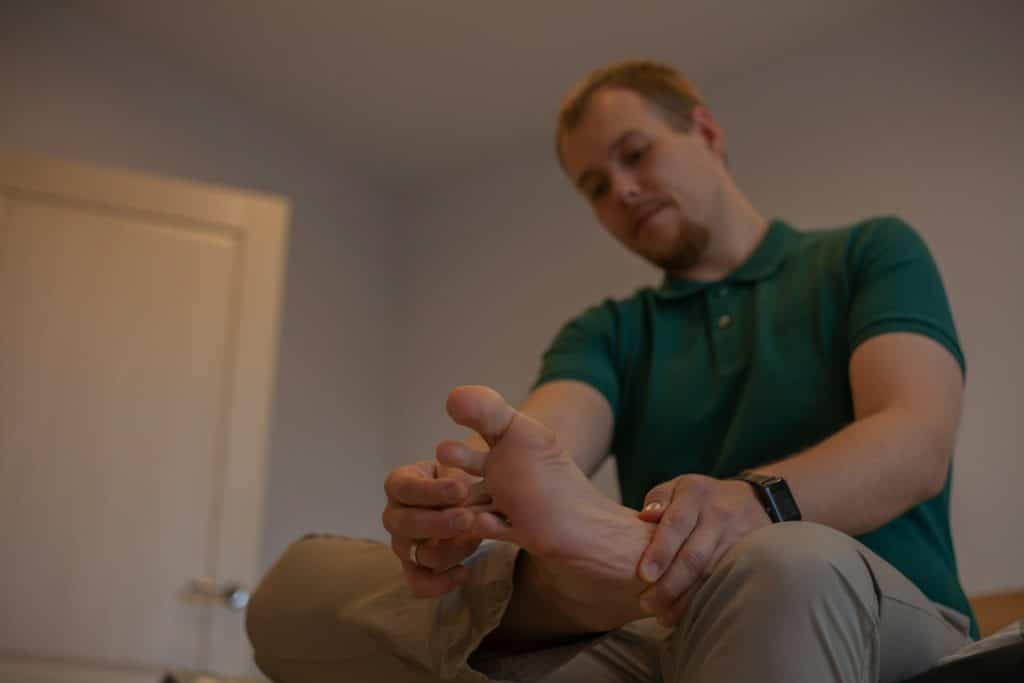
Foot pain after a long walk is something most people have felt at some point. You set out to enjoy a trail, run errands, or keep a steady walking routine, and by the end of the day, you’re dealing with aching feet or even sharp pain. For many adults, this discomfort becomes more frequent over time and starts to interfere with daily life. It makes getting through work, staying active, or simply running errands more difficult than it should be.
While foot pain might seem like part of getting older or being active, there are often specific reasons it shows up, especially after long walks. Understanding the source of your discomfort is the first step to fixing it. When foot pain shows up in the same spots or keeps returning, it’s time to look beyond quick fixes and start thinking about how your body is moving, what kind of shoes you’re wearing, and how much stress your feet are under. Physical therapy can help get you out of that cycle and give you the tools to prevent it from happening again.
Common Causes of Foot Pain After Long Walks
Some causes of post-walk foot pain are more obvious than others, but they’re all worth considering, especially if this is something that keeps coming back.
1. Overuse
When you walk for long periods, your muscles and ligaments work harder than usual. Even though walking seems low-impact, taking thousands of steps in a row puts steady pressure on your feet. Without enough recovery time, tissues like the plantar fascia or tendons around your heel can become irritated or strained.
2. Improper Footwear
Poor shoe support is one of the leading causes of aching feet. Shoes that are too tight, too loose, or lacking arch and heel support force your feet into awkward positions. This throws off your walking pattern and increases stress on certain areas. If you’re walking in sandals, worn-out sneakers, or shoes made for casual wear, it might be time for a swap.
3. Foot Structure
Every foot is different. Some people have high arches, others have flat feet, and many fall somewhere in between. Those structural traits affect how pressure spreads through your feet while you walk. If your arches collapse too much or don’t flex enough, your muscles end up doing more of the work than they should, leading to fatigue and soreness in places like the heels or balls of your feet.
4. Terrain and Walking Surface
Hard surfaces like concrete or asphalt don’t offer much cushion. When you walk on them for long distances, especially without supportive shoes, they send more shock into your joints and feet. Hills, uneven sidewalks, or rocky trails force your feet to stabilize more than usual, which can strain smaller muscles and lead to pain later on.
5. Lack of Conditioning
Just like any other part of the body, your feet need time to adjust to longer walks. If you suddenly increase how far or how fast you’re walking, your feet may not be ready. When the smaller muscles and ligaments aren’t strong or flexible enough, they fatigue faster, leaving you sore and prone to injury.
Here’s an example: someone who usually walks a couple of miles each day decides to take on a five-mile hike over the weekend. Even if the pace is steady, that sudden jump in activity could leave their arches or heels hurting by bedtime. That’s the kind of pain that can last days if left untreated.
Knowing what’s behind your foot pain can help you make smarter choices about how you walk, where you walk, and what you wear. Small changes often make a big difference, especially when those changes are based on how your body moves and what kind of support it needs.
Identifying Foot Pain and When to Seek Help
Recognizing foot pain and knowing when it’s time to get help can make all the difference. You might feel general soreness after a long walk, but if discomfort becomes persistent, it’s likely a signal that something more serious is going on. Common signs that shouldn’t be ignored include sharp pain, swelling, or a constant ache in specific areas like your heel or arch.
Self-assessment can help you gauge the seriousness of your foot pain. Rest, elevate your feet, and try basic stretches or warm and cold water baths. If the pain sticks around more than a few days or keeps returning, it’s a good idea to talk to a professional.
Turning to a physical therapist helps you understand what’s causing the pain and how to treat it properly. Therapists are trained to spot movement or muscle patterns that might be creating your discomfort. Early help can make recovery faster and might keep you from needing more invasive treatments later down the road.
Treatment Options Through Physical Therapy
Once you decide to work with a physical therapist, knowing what comes next can ease some of the stress. It all starts with a complete assessment. The therapist looks at your walk, foot shape, range of motion, strength, and exactly where it hurts. All of that helps create a better picture of what’s going on beneath the surface.
After that, your therapist creates a treatment plan just for you. This plan is based on your goals, daily habits, pain level, and physical needs. The idea is always to get lasting results by treating the cause rather than just the symptoms.
Physical therapy for foot pain often includes a mix of techniques. Stretching helps loosen tight muscles and improve movement. Strengthening exercises help support the muscles around your arches and ankles. Manual therapy brings relief to stiff joints and helps reduce inflammation. Therapists may also teach you strategies like using ice or heat, as well as taping your foot for more support between sessions.
Therapy is more than just fixing pain. It’s about learning how to keep pain from returning. That means better movement habits, stronger muscles, and tools you can use every day.
Preventative Measures and Foot Care Tips
Keeping your feet healthy long term means knowing how to prevent pain before it begins. It starts with shoes. Choose ones with solid arch support, a secure fit, and cushioned soles. They make a big difference, especially on longer walks.
Make a habit of stretching and light strengthening each day. Exercises like calf raises, toe curls, or rolling your foot over a tennis ball help your feet stay flexible and strong.
Don’t forget recovery. Your body needs breaks just like your mind does. If you’ve had a long walk, give your feet time to rest. Ice therapy or a day of light activity can help reduce strain and stop pain from building up.
Stay ahead of issues by checking in regularly with a physical therapist. Whether you’re recovering from a flare-up or staying ahead of foot problems altogether, these check-ups can keep you on track and one step ahead of discomfort.
Enjoy Walking Without Foot Pain
Walking should help you feel good, not hold you back. When your steps are limited by sore heels, stiff arches, or aching toes, it affects every part of your routine. The good news is, you don’t have to keep pushing through the pain. By understanding what’s behind your foot pain and making smart changes, you can feel better and stay active.
Start with what you wear, how you move, and how much rest your body gets. Then, work with a professional to tackle deeper causes and get the support your feet need. With strong habits and the right guidance, walking can go back to being something you look forward to—not something you regret afterward.
Pain-free walking makes it easier to enjoy your life, from early morning walks to weekend errands. Being mindful of your foot health helps keep you on your feet—and feeling good—for the long road ahead.
Kick foot pain to the curb and get back to enjoying every step. Explore our expert physical therapy services at Wright Physical Therapy, where we’re dedicated to helping you find relief and regain mobility. Let us partner with you on your journey to living without pain and stepping confidently into every adventure.