

Understanding Degenerative Joint Disease (DJD)
If you’re looking to understand djd, here’s a quick summary:
- Definition: DJD, also known as osteoarthritis, is a condition where joints wear down over time.
- Types: It includes various forms like osteoarthritis, post-traumatic arthritis, and avascular necrosis.
- Symptoms: Common symptoms are joint pain, stiffness, and swelling.
- Risk Factors: Factors include aging, previous injuries, and being overweight.
Degenerative Joint Disease (DJD), also known as osteoarthritis, is a common condition that results from the gradual wear-and-tear of joints. It predominantly affects the cartilage in joints, leading to pain and decreased mobility. Over time, this degeneration can significantly impact the quality of life, making everyday activities challenging.
I’m Bryan Wright. With years of experience in physical therapy, I’m passionate about helping people alleviate pain and enjoy an active lifestyle. Let’s dive deeper into understanding DJD and explore effective treatment options to help you find relief.
Understanding Degenerative Joint Disease (DJD)
What is DJD?
Degenerative Joint Disease (DJD), also known as osteoarthritis (OA), is a condition where the cartilage in your joints wears down over time. Cartilage is the smooth, rubbery tissue that covers the ends of bones in a joint. It acts as a cushion and allows for smooth movement. When this cartilage breaks down, bones start to rub against each other, causing pain and stiffness.
DJD is often referred to as “wear-and-tear” arthritis because it develops from the repetitive use of joints over the years. This condition can affect any joint but is most common in weight-bearing joints like the hips, knees, and spine.
Symptoms of DJD
The symptoms of DJD can vary from mild to severe and tend to worsen over time. Here are the most common symptoms:
- Joint Stiffness: Especially noticeable in the morning or after periods of inactivity.
- Pain: Often felt during or after movement.
- Swelling: Joints may become swollen due to inflammation.
- Limited Range of Motion: Difficulty in moving the joint through its full range.
- Reduced Flexibility: Stiffness that makes it hard to perform everyday tasks.
- Joint Deformity: In advanced stages, the joints may appear misshapen.
Risk Factors and Causes
Several factors can increase your risk of developing DJD:
- Age: The risk of DJD increases as you get older.
- Gender: Women are more likely to develop DJD, especially after the age of 55.
- Genetics: Family history can play a role in the development of DJD.
- Joint Injury: Previous injuries to the joints, such as fractures or dislocations, can lead to DJD.
- Repetitive Strain: Jobs or activities that require repetitive motion can wear down joints over time.
- Obesity: Excess weight adds extra stress on weight-bearing joints like the hips and knees.
- Sports Stress: High-impact sports or activities can accelerate joint wear and tear.
Understanding these risk factors can help in taking preventive measures to protect your joints. For instance, maintaining a healthy weight and avoiding repetitive strain can go a long way in delaying the onset of DJD.
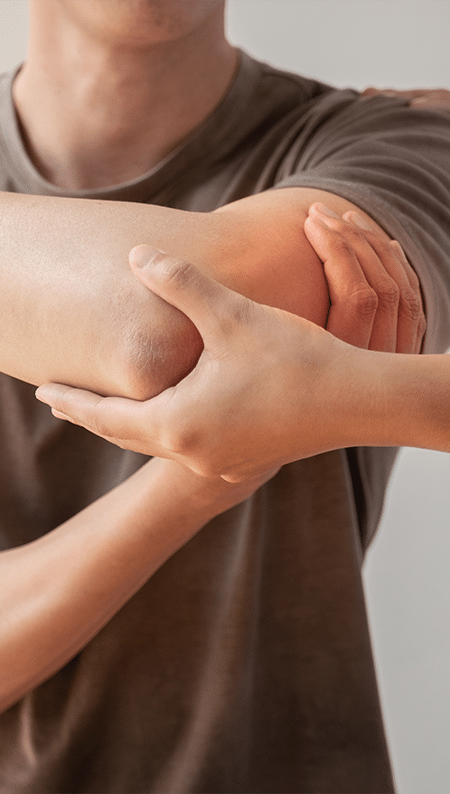
By recognizing the symptoms early and understanding the risk factors, you can take proactive steps to manage the condition effectively.
Treatment Options for DJD
Non-Surgical Treatments
Managing Degenerative Joint Disease (DJD) often begins with non-surgical treatments aimed at reducing pain and improving joint function.
NSAIDs (Nonsteroidal Anti-Inflammatory Drugs): These medications, such as ibuprofen or naproxen, help reduce pain and inflammation. While effective, they should be used under a doctor’s guidance to avoid potential side effects like stomach ulcers or cardiovascular issues.
Hot and Cold Compresses: Applying heat can relax muscles and improve blood flow, reducing stiffness. Conversely, cold packs can numb sore areas and reduce inflammation. Alternating between heat and cold can offer significant relief.
Low-Impact Exercise: Activities like swimming or walking on flat surfaces are excellent for improving joint mobility without putting too much stress on the joints. Strength training can also support muscles around the affected joints, offering better stability.
Physical Therapy: Physical therapists can design personalized exercise programs that focus on strengthening muscles, improving flexibility, and reducing pain. Techniques like electrical pulse therapy can also be used to manage pain.
Lifestyle Changes: Losing weight can significantly reduce stress on weight-bearing joints like the knees and hips. A balanced diet rich in anti-inflammatory foods can also help manage symptoms.
Alternative Medicine: Some people find relief through supplements like glucosamine and chondroitin, although research on their effectiveness is inconclusive. Acupuncture and massage therapy are other alternative treatments that may offer symptom relief.
Surgical Treatments
When non-surgical treatments are not enough to manage the symptoms of DJD, surgical options may be considered.
Joint Surgery: Procedures like arthroscopy can remove or repair damaged tissue in the joint. This is often a minimally invasive option that can provide relief with a shorter recovery time.
Orthopedic Surgery: In severe cases, more invasive surgeries may be necessary. These can involve realigning bones to relieve pressure on the joint or even fusing bones together to stabilize the joint.
Total Joint Arthroplasty: This involves replacing the damaged joint with an artificial one. While it can’t fully restore the joint to its original state, it can significantly reduce pain and improve function. This is most commonly done for hips and knees.
Long-term Management
Managing DJD is an ongoing process that involves multiple strategies to maintain joint health and functionality.
Pain Management: Besides NSAIDs, other pain-relieving methods like corticosteroid injections or even mild narcotics may be used under medical supervision.
Joint Flexibility: Regular exercise and physical therapy can help maintain and improve joint flexibility, making daily activities easier.
Weight Loss: Shedding extra pounds can dramatically lessen the stress on your joints, reducing pain and slowing the progression of DJD.
Viscosupplementation: This involves injecting hyaluronic acid into the joint to improve lubrication and reduce pain. It’s often used for knee DJD.
Rehabilitation: Post-surgery or as part of a long-term management plan, rehabilitation focuses on restoring function and strength to the affected joint. This can include exercises, physical therapy, and lifestyle modifications.
By combining these treatments, you can effectively manage the symptoms of DJD and maintain a higher quality of life.
Conclusion
At Wright Physical Therapy, we are deeply committed to providing exceptional care for those suffering from Degenerative Joint Disease (DJD). Our approach is comprehensive, combining personalized care, community involvement, patient education, and effective treatment to ensure the best outcomes for our patients.
Personalized Care
We understand that every patient is unique. Our team of highly trained therapists tailors treatment plans to meet individual needs. Whether you require physical therapy, low-impact exercise routines, or pain management strategies, we work closely with you to develop a plan that fits your lifestyle and goals.
Community Impact
Our dedication extends beyond the clinic. We actively participate in local events and support charitable initiatives, contributing to the well-being of our community. Each referral we receive not only affirms our service quality but also supports our broader mission. A portion of our revenue goes to organizations dedicated to protecting and empowering children, enriching our practice and strengthening community bonds.
Patient Education
Empowering patients through education is a cornerstone of our practice. We ensure that you understand your treatment plan and the rationale behind each therapy or exercise. This knowledge helps you manage your condition and prevent future issues. Our health blog offers valuable insights and tips to maintain optimal health.
Effective Treatment
Our therapists continuously update their training to deliver the most effective treatments available. From non-surgical options like NSAIDs, hot and cold compresses, and low-impact exercises, to surgical interventions like joint arthroplasty, we provide a wide range of services designed to alleviate pain and improve joint function.
By choosing Wright Physical Therapy, you benefit from a holistic approach that combines effective treatment with education and community support. We invite you to join our family and experience a path to recovery that is compassionate, comprehensive, and deeply connected to the community.
For more information on our services and how we can help you achieve your health goals, please visit our Boise Physical Therapy location.
Together, let’s move towards a healthier future.