
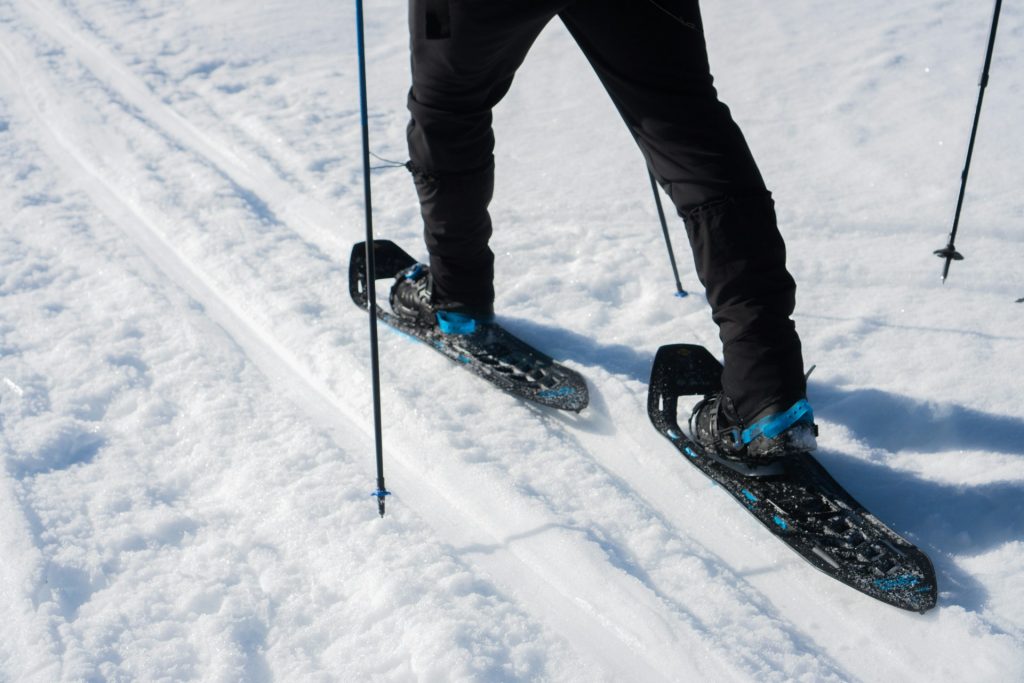
Winter sports bring plenty of excitement to active adults around Boise. Whether you’re carving down the slopes, ice skating at the rink, or playing pickup hockey with friends, these types of activities offer a great way to stay fit and enjoy the outdoors. But with that fun often comes added stress on your body, especially the ankles. Slippery surfaces, high-impact landings, and repetitive movement can leave your ankles feeling sore or even injured if you’re not careful.
Many people push through nagging discomfort, thinking it’ll fade. Then, one misstep turns that soreness into a sharp pain that lingers. The truth is, ankle injuries during winter sports are more common than most realize. And while sitting out the season isn’t always necessary, taking the right steps to ease the aches and lower your risk can make all the difference. Knowing how your ankle works during high-movement sports and how to care for it will help you keep enjoying what you love without wincing every time you take a step.
Common Causes Of Ankle Pain In Winter Sports
When you think about skiing, snowboarding, or even snowshoeing, your ankles don’t usually top the list of concerns. But they play a major role in every movement by absorbing impact, adjusting to terrain, and stabilizing your limbs on unsteady surfaces. That’s why they’re one of the first areas to feel the strain.
The most common cause of pain is overuse paired with unstable footing. Here’s how that typically plays out:
– Skiing and snowboarding: These sports often involve quick directional shifts. When your body weight isn’t properly distributed, your ankles absorb extra pressure, especially when landing jumps or making sharp turns.
– Ice skating: Ice puts constant demand on your stabilizer muscles. If your form is off, just a slight wobble can cause micro-tears in tendons or lead to sprains.
– Improper footwear: Worn-out boots that no longer support your ankle joint can cause more harm than a fall. A loose cuff or poor fit means your ankle can move too much, increasing the risk of a roll or twist.
– Cold, tight muscles: Before you even get moving, the cold weather can make your muscles stiff. Without proper warm-ups, your body is unprepared to handle dynamic sports and you’re more likely to tweak something.
Sometimes it’s just one of these triggers. In other cases, multiple factors build up and lead to issues over time. You might notice a dull ache after several runs down the mountain or sharp pain after one awkward landing. Either way, that discomfort is your body signaling that something needs to change.
Tips To Prevent Ankle Pain
Preventing ankle pain before it starts is often easier than dealing with a lingering injury. Setting up your body for movement, choosing the right equipment, and using the correct techniques all make a big difference. A few small changes can lead to safer, smoother winter activity.
Before heading outside, keep these tips in mind:
1. Warm up for at least 5 to 10 minutes
A simple routine like ankle circles, toe raises, or a few squats helps wake up the joints and boosts circulation. Avoid jumping straight into action without getting your lower body actively engaged.
2. Invest in proper gear
Make sure your boots fit snugly, with solid ankle support and no slippage around the heel. Thermal socks that aren’t too thick can help keep you warm without compressing your foot unevenly inside the boot.
3. Check your form
Whether you’re turning on skis or skating, try to engage your core and keep your knees soft. Locking your legs or leaning too far forward throws weight onto your ankles and increases your injury risk.
4. Listen to your body
Feeling tightness or tenderness isn’t something to brush off. Take breaks throughout your activity to stretch and check in on how your ankles feel.
5. Train for stability
Regular balance exercises, like standing on one foot or light agility drills, can build joint strength and prevent strain during sports.
Staying active in winter should be something you enjoy, not something that leaves you limping the next day. By addressing these factors early, you can lower the chances of being sidelined and keep your outings pain-free.
Immediate Remedies For Ankle Pain
Experiencing ankle pain after engaging in winter sports can be frustrating. The good news is that there are simple, immediate remedies to help manage the discomfort and speed up recovery.
First, remember the four basic steps: Rest, Ice, Compression, and Elevation, known as RICE. Rest your ankle by avoiding activities that cause pain or discomfort. Ice your ankle for about 15 to 20 minutes every couple of hours to help with swelling. Compression using an elastic bandage can help manage inflammation, but make sure it’s snug and not overly tight. Lastly, elevate your ankle above heart level to assist with circulation and reduce swelling.
Over-the-counter pain relievers may offer fast relief. They help reduce aches and inflammation, allowing you to move more comfortably. Be sure to follow the recommended dosage instructions.
Gentle stretches and ankle exercises are helpful in restoring mobility. Try pointing and flexing your toes or drawing circles with your foot while sitting down. These low-impact movements keep your ankle flexible and support better recovery.
Long-Term Solutions For Ankle Pain
If you deal with regular ankle pain or have suffered repeat injuries, it might be time to consider long-term care options. Physical therapy is a good choice for many people experiencing ankle discomfort. Therapy can address both sudden and ongoing pain while helping prevent future injury.
Physical therapy focuses on strengthening weak muscles, improving flexibility, and boosting ankle stability. Targeted movements and guided stretches offer benefits that everyday movements often can’t achieve alone.
Using a treatment plan created around your needs, a licensed physical therapist can help your ankle move and function better. Working consistently with a professional improves your chances of staying active long-term, without fear of setbacks.
If your ankle pain has interfered with your quality of life or ability to enjoy seasonal activity, seeking help through physical therapy services could make a major difference. With ongoing support, you can build strength and gain confidence to get back to the sports you enjoy without hesitation.
Embracing Winter Sports Pain-Free
Winter activities can be a source of joy and connection, as long as your body feels up for the challenge. By taking time to prepare properly, staying alert to how your ankles feel, and responding quickly to discomfort, you’ll be better equipped to enjoy the season.
Supportive footwear, thoughtful warm-ups, good posture, and physical conditioning all add up to a safer and more enjoyable experience in the snow or on the ice. Don’t ignore the warning signs your body gives you. Sharp, recurring, or worsening ankle pain means it’s time to look beyond self-care and bring in help.
Building sustainable strength and movement through physical therapy lets you continue doing what you love well into the season and beyond. Staying active during winter is much more enjoyable when you’re not constantly worried about that next misstep. Proper care now can give you freedom and confidence later.
Embrace the winter season with confidence and keep those ankle pains in check. For anyone battling persistent discomfort, exploring physical therapy services can be a game-changer. At Wright Physical Therapy, we’re here to create a personalized plan that works for you. Let us help you stay active and get back to enjoying winter sports without the worry of ankle pain.