
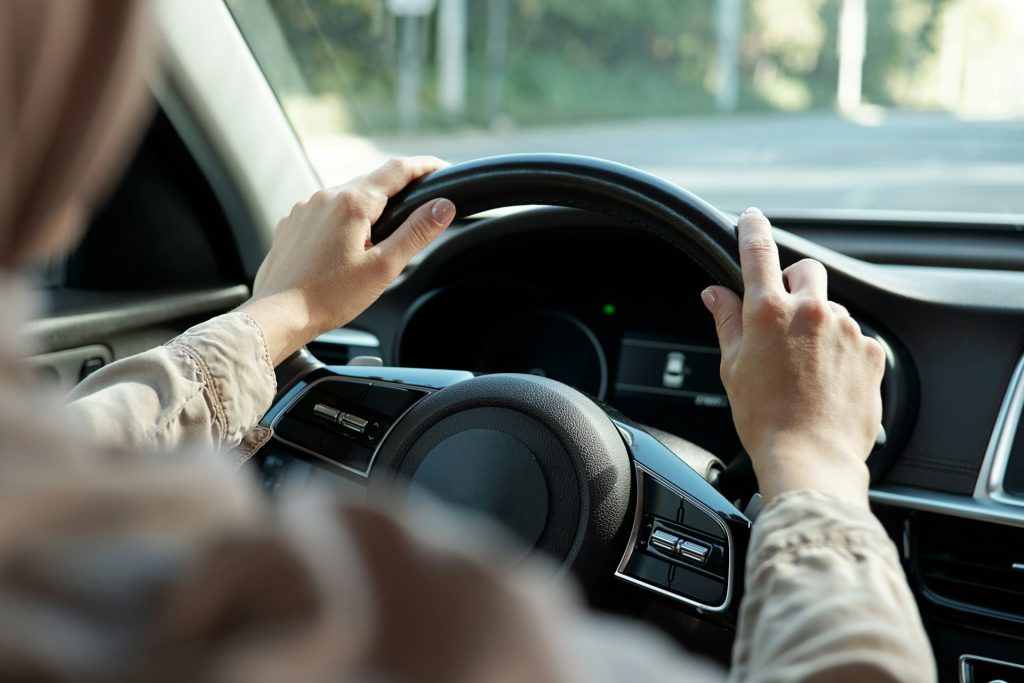
If your fingers start aching after a long winter drive, you’re not alone. Many people in Wendell, Idaho, and beyond notice their fingers feel tight or sore after spending hours behind the wheel, especially during the colder months. It’s not always about the temperature alone; there are a few reasons this happens, and it can become more noticeable during late January when winter still has a firm grip.
Cold weather, long periods of gripping the steering wheel, and even old injuries can all combine to create discomfort. For some, this pain fades after a rest day. For others, it lingers or grows worse. If finger pain becomes a pattern during winter drives, there may be more going on beneath the surface. That’s where physical therapy in Wendell, Idaho can begin to make a difference, especially when there’s a clear source of strain.
Why Cold Weather Affects Finger Joints
Cold temperatures slow everything down, including how blood moves through our bodies. That limited circulation can make it harder for fingers to stay warm and loose, which means joints and tendons tighten faster.
• When fingers cool off, the muscles around them become less flexible, and it takes more effort to move them
• For people with existing joint sensitivity, like arthritis, the cold can make those joints feel more inflamed or overworked
• Even if the car’s heater is on, fingers often stay in one position without a lot of motion. That combined stillness and chill can lead to soreness
It doesn’t take extreme cold to notice the change. Even mild winter days can bring stiffness, particularly when mixed with the stress of holding a steering wheel in the same spot for an hour or more.
Sometimes, that cold lingers even when you’re inside the car, especially if your fingers are exposed to chilly air blowing through vents or small cracks in the windows. You might notice that removing your gloves, even briefly, can make your knuckles tighten up for the rest of the drive. For drivers with a history of joint discomfort, simply warming up isn’t always enough to keep stiffness at bay.
How Long Periods of Holding the Wheel Cause Fatigue
Driving might not feel like a physically demanding task, but your hands and fingers are working the entire time. Most people grip the wheel tighter than they need to, especially during early morning commutes or when driving through patches of ice.
• Keeping hands in a frozen position with fingers wrapped around the wheel puts extra pressure on small muscles and joints
• If the seat or mirrors aren’t adjusted correctly, your arms may reach too far forward and cause your hands to hold tension longer
• Even though cars with automatic transmissions reduce hand movement, repetition still builds up, not just from the act of steering, but from actions like signaling or adjusting controls
Over time, these small habits lead to fatigue. Hands might get tired, and fingers begin to swell or feel stiff because there’s no variety in the way they’re being used.
Once you start to feel discomfort, it’s common to shift your grip in search of relief. Sometimes, you’ll switch to holding the wheel lower or resting your hand on your lap between turns, but even those small movements don’t give each finger much of a break. For drivers who cover longer distances, the problem grows as the trip goes on. Without stretching or changing position, tension builds up, and it can take more time to shake out the stiffness once you’re parked.
Fatigue is often made worse when driving conditions require focus and caution, such as icy roads or foggy mornings. Gripping the wheel a bit too hard can feel natural in those situations, but it adds up over the miles. Even those who use heated steering wheels might find relief for the chill, but not for the underlying muscle fatigue. The pain can really sneak up after stopping at a red light or finally getting out of the car.
Existing Hand or Nerve Conditions That Flare Up While Driving
For some, finger pain isn’t just about cold or fatigue. Certain nerve or tendon issues can hide quietly until long car rides bring them to the surface.
• Conditions like carpal tunnel can cause pain, tingling, or numb fingers after holding the wheel for an extended period
• Older injuries, even ones thought to be minor, can become more pronounced in a fixed position with low movement
• Vibration from the steering wheel, common on rural or snow-covered roads, can affect sensitive joints or irritated nerves
When pain keeps showing up on longer trips, or becomes sharp instead of dull, it could be driven by something more than posture or chill. In these cases, the discomfort usually lasts longer and changes how freely your fingers can move, even after the drive ends.
People who have had finger fractures, wrist sprains, or nerve compression might not feel daily symptoms, but sitting still and holding a steering wheel in winter brings those old issues right into the spotlight. Even mild nerve inflammation can flare up due to vibration from the road. That means pain often outlasts the drive and can make tasks at home feel harder, like texting or holding a coffee mug.
Some drivers notice their fingers are both stiff and a bit numb after a long trip, especially if their hands stayed cold the whole time. That numbness can hang around, making you hesitant to grip objects firmly or turn doorknobs. It all adds up, especially when these drives start and end during dark winter mornings and evenings, which puts added strain on tired joints.
When You May Need More Than Just Rest
If finger pain continues to come back or sticks around after short drives, it’s worth digging deeper. When soreness interferes with everyday tasks like typing, cooking, or opening doors, that’s a sign that rest alone won’t solve it.
Physical therapy in Wendell, Idaho provides a way to figure out exactly what’s happening. Whether there’s muscle fatigue, limited finger range, or small-scale inflammation at the joints, getting help from someone trained to study motion can bring clarity. And from there, recovery becomes more focused and effective.
• Stiff fingers that don’t loosen up within a day
• Pain that’s focused around the knuckles or base of the hand
• Tingling or numbness that sticks around after changing positions
Any of these could point to a broader issue. Getting ahead of it makes it easier to adjust future winter drives instead of waiting for symptoms to return.
Wright Physical Therapy offers manual therapy, progressive hand and finger strengthening exercises, and ergonomic assessments as part of personalized recovery programs for hand pain. Their expertise covers care for nerve irritation and joint function, which is especially important in colder climates where symptoms are more frequent.
At times, soreness appears in different fingers or moves to the opposite hand, which might mean your driving posture is uneven. Paying attention to these patterns can help identify if underlying issues are causing your discomfort. Seeking professional insight means you’ll get a complete look at what’s going on, rather than just covering up the pain and hoping it fades.
Driving Toward Comfort: Relieving Finger Pain in Winter
Winter doesn’t wait for soreness to fade, and neither should you. Pain that shows up while driving through cold, quiet highways may seem easy to shrug off, but it often tells a bigger story. By paying attention to the way your fingers feel after long trips, you can take the first step toward getting answers.
The good news is that this kind of discomfort often has a clear cause. With the right steps and support from Wright Physical Therapy in Wendell, Idaho, your hands can feel more relaxed during the next drive, no matter how long the road is or how cold the morning gets.
Say goodbye to lingering finger pain and discomfort from those cold winter drives. With expert care through physical therapy in Wendell, Idaho, you can identify and treat the root causes of your symptoms. At Wright Physical Therapy, our tailored approach helps you regain comfort and flexibility, ensuring your hands feel great behind the wheel and in your daily activities. Reach out to us today and start your journey toward more comfortable winter drives.