
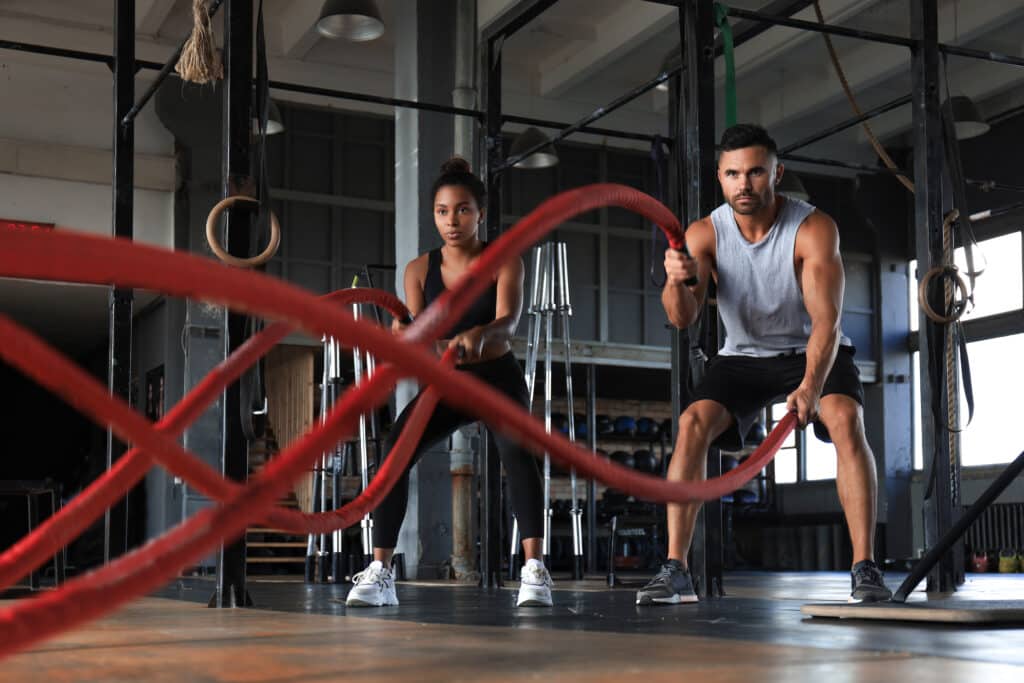
As fitness enthusiasts, we all strive to push our bodies to their limits in the gym. However, with this drive for progress comes the risk of injury. Whether you’re a seasoned weightlifter or a beginner, it’s important to prioritize safety in your workouts. In this article, we’ll discuss how to safely “max out” in the gym without hurting yourself, as well as what to do in the event of an injury, with the guidance of a physical therapist.
Knowing Your Limits: Balancing Between Pushing Hard and Going Overboard
It’s natural for us to want to push ourselves to the limit in the gym. We’re always striving to lift heavier, run faster, or reach new milestones in our workouts. But while it’s great to have that drive for progress, it’s equally important to know our limits and find a balance between pushing hard and going overboard.
Knowing your limits is essential to avoiding injuries and ensuring long-term progress. It’s important to remember that everyone’s fitness journey is different, and what works for one person may not work for another. You need to listen to your body and understand its signals.
One way to find this balance is by gradually increasing the intensity and volume of your workouts. Instead of jumping straight into heavy weights or high-intensity workouts, start with lighter weights or lower intensity exercises and gradually increase as you become more comfortable and confident. This will allow your body to adapt and strengthen gradually, reducing the risk of injury.
Another important factor is proper form and technique. It’s easy to get caught up in the desire to lift heavy or perform advanced exercises, but if your form is compromised, you’re putting yourself at a higher risk of injury. Focus on mastering the basic movements and techniques before progressing to more advanced exercises.
Listening to your body is key. If you’re feeling fatigued, experiencing pain, or struggling to maintain proper form, it’s important to scale back and give yourself some rest. Pushing through the pain may seem like a badge of honor, but it’s not worth the risk of a serious injury that could set you back weeks or even months.
Essential Tips for A Safe “Max Out” in the Gym
Want to take your workouts to the next level and really “max out” in the gym? You’re not alone! Pushing yourself to new limits can be incredibly rewarding. But it’s important to remember that safety should always come first. Here are some essential tips to help you safely reach your max in the gym without risking injury.
First, warm up properly. This might seem like a no-brainer, but many people underestimate the importance of a good warm-up. Spending a few minutes getting your heart rate up and your muscles warm can significantly reduce the risk of injury during your workout. Incorporate dynamic stretches and movements that mimic the exercises you’ll be doing, and gradually increase the intensity as you go.
Next, pay attention to your form. This is crucial when lifting heavy weights or performing advanced exercises. If your form starts to falter, you’re putting yourself at a higher risk of injury. Focus on maintaining proper alignment, engage the right muscles, and use a weight that allows you to perform the exercise with good form. Don’t sacrifice form for the sake of lifting heavier or performing more reps.
Also, don’t forget to give your body the rest it needs. Pushing yourself to the max in the gym is great, but it’s equally important to allow your body time to recover. Overtraining can lead to burnout and increase the risk of injury. Make sure to incorporate rest days into your routine and listen to your body. If you’re feeling excessively fatigued or experiencing persistent pain, it’s time to take a step back and give yourself some time to rest and recover.
Finally, consider working with a physical therapist (like the experts at Wright Physical Therapy!) who can guide you in your journey to max out safely. They can assess your form, provide personalized guidance, and help you create a balanced workout program that minimizes the risk of injury.
Remember, your fitness journey is a marathon, not a sprint. Take your time, prioritize safety, and you’ll be well on your way to safely reaching your max in the gym.
Recognizing and Handling Workout Injuries
While we always strive to push our limits in the gym, sometimes injuries can happen. It’s important to recognize and handle workout injuries properly to prevent further damage and promote quick recovery. So, let’s dive into the world of recognizing and handling workout injuries!
You’ve heard this already, but listen to your body! Pay attention to any signs of pain or discomfort during your workouts. If you feel a sharp pain or experience a sudden injury, it’s crucial to stop immediately and seek medical attention if necessary. Ignoring the pain and pushing through can worsen the injury and lead to long-term damage.
In the case of more common workout injuries like sprains, strains, or muscle pulls, Wright Physical Therapy’s own P.O.L.I.C.E. method is the most effective healing approach to injuries.
Protect emphasizes the importance of avoiding further tissue damage, but doesn’t infer indefinite immobilization. This could mean using crutches to protect an injured lower extremity, while actively engaging in daily tasks. Protect could represent the appropriate amounts of rest to heal the injury as well.
Optimal Load may be the most vital component of healing your injury. Injured tissue must be exposed to mechanical stresses necessary for the body to remodel and restore function. Research has shown repeatedly that injured tissue that undergoes appropriate mechanical stress will experience physiological responses at the cellular level vital for quick healing. As your body heals, your optimal load will change. This process of loading the tissues optimally becomes tricky, and maybe detrimental if inappropriately applied. If you are injured, you may be assessed by one of our skilled DPT’s, who will provide clear and calculated instructions on how and when to optimally load your body.
Ice aids to reduce the inflammatory response, which allows for removal of cellular waste and prevention of scar tissue.
Compression and Elevation will assist in limiting swelling, or dependent edema, as bodily fluid is forced away from the injured structure(s) and back into circulation. These components of the POLICE acronym assist to decrease pain and control the build-up of noxious biochemicals.
This method will elevate your healing and improve human performance for whatever you do, however, when in doubt, always contact your physical therapy experts!
Expert Advice for Quick Recovery and Prevention of Recurring Injuries
We all know that injuries can be a major setback in our fitness journey, but there are steps we can take to bounce back faster and minimize the risk of future injuries.
First and foremost, it’s important to consult a physical therapist if you’ve sustained an injury. They can assess the extent of the injury and provide a personalized treatment plan to help you recover as quickly and safely as possible. Following their guidance is crucial in order to avoid further damage and promote proper healing.
One key aspect of quick recovery is rehabilitation exercises. These exercises are specifically designed to help you regain strength, flexibility, and mobility in the injured area. Your physical therapist will tailor these exercises to your specific needs and progress them gradually as you heal. It’s important to be consistent with your rehab exercises and follow the recommended schedule to maximize their effectiveness.
In addition to rehab exercises, proper rest and recovery play a vital role in the healing process. Allow your body the time it needs to rest and recuperate. This means taking rest days, getting enough sleep, and fueling your body with nutritious foods. It’s also important to listen to your body during workouts and modify or avoid exercises that cause pain or discomfort. Pushing through the pain may do more harm than good, so be mindful of your limits.
Another important aspect of injury prevention is addressing muscle imbalances and weaknesses. These imbalances can put additional stress on certain areas of your body, increasing the risk of injury. Working with a physical therapist can help you identify and correct these imbalances through targeted exercises and stretches.
The Role of Physical Therapy in Fitness Enhancement
Physical therapy plays a crucial role in enhancing fitness and minimizing the risk of injuries. While many fitness enthusiasts may think they don’t need a physical therapist, the truth is that these professionals can provide expert guidance and support to help you reach your fitness goals safely and effectively.
One of the main benefits of working with a physical therapist is their ability to assess your body’s unique needs and create a personalized plan that addresses any imbalances or weaknesses. They can identify areas of your body that may be prone to injury or are not functioning optimally, and then provide targeted exercises and stretches to address these issues. By addressing these imbalances, you can reduce the risk of injuries and improve overall performance.
Physical therapists also play a crucial role in injury prevention. They can help you understand proper form and technique for different exercises, ensuring that you are performing them safely and effectively. They can also provide modifications or alternatives for exercises that may be too challenging or risky for your current fitness level. This allows you to continue progressing in your workouts while minimizing the risk of injury.
In the event of an injury, physical therapists are there to support you in your recovery journey. They can provide a proper diagnosis, create a personalized treatment plan, and guide you through the rehabilitation process. With their expertise, you can recover more quickly and safely, minimizing the risk of recurring injuries.
Overall, physical therapy is a valuable resource for fitness enthusiasts who want to enhance their performance while minimizing the risk of injuries. Whether you’re a seasoned weightlifter or a beginner, working with a physical therapist can provide you with the knowledge, guidance, and support you need to reach your fitness goals safely and effectively. So don’t underestimate the role of physical therapy in your fitness journey. Embrace it as a key tool to enhance your performance and stay injury-free.