
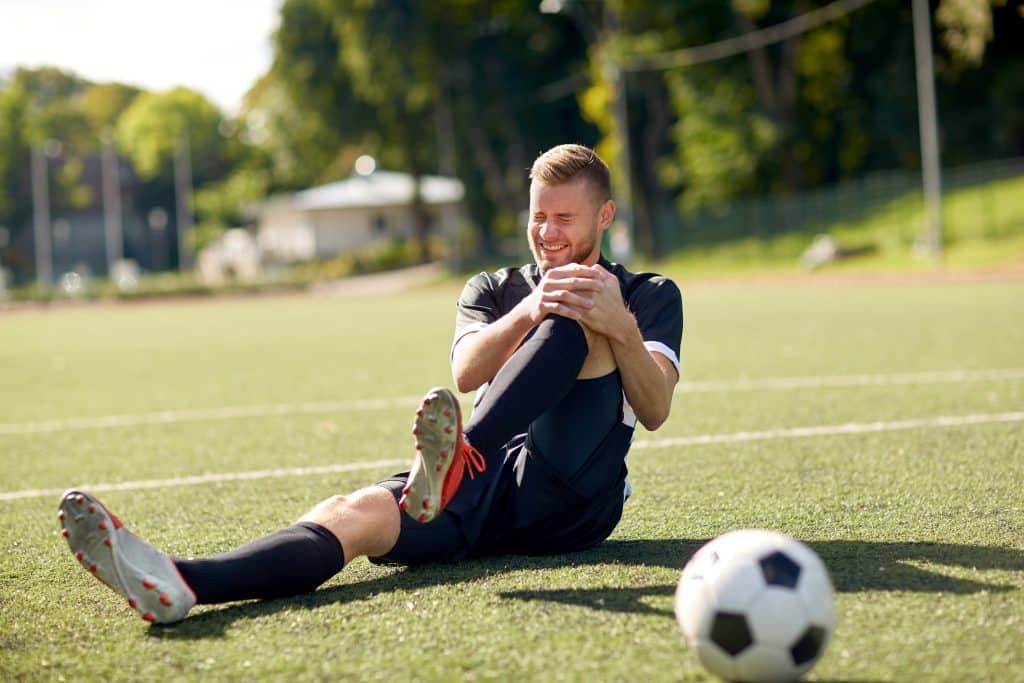
Healing a knee injury can seem daunting, but with the right approach, it’s achievable. Knee injuries often occur from sudden twists, awkward landings, or overuse during sports and daily activities. They’ve become a common concern, especially for adults actively seeking quick rehabilitation.
To start healing a knee injury effectively:
- Rest: Avoid activities that stress the knee.
- Ice: Apply ice to reduce swelling.
- Compression: Use a knee brace to provide support.
- Elevation: Keep the knee raised to decrease swelling.
I’m Bryan Wright. My passion lies in enhancing physical therapy to bring joy by alleviating suffering. With experience in healing a knee injury, I aim to guide you through a swift and successful recovery process. Now, let’s dig deeper into understanding knee injuries and the initial steps to recovery.
Healing a knee injury terms made easy:
– causes of knee pain
– cold compress for knee
– knee pain treatment
Understanding Knee Injuries
Knee injuries can be complex, affecting various parts of the knee joint. Understanding the specifics can help you take the right steps towards recovery.
Ligament Sprains
Ligaments are tough bands connecting bones. They stabilize your knee. A sprain happens when these ligaments stretch too far, often due to sudden twists or excessive force. The anterior cruciate ligament (ACL) is a common site for such injuries. Symptoms include swelling, pain, and a feeling of instability.
Tendon Tears
Tendons attach muscles to bones. When overstretched, they can tear. Unlike ligaments, tendon tears often heal on their own, but they can still cause pain and swelling. Rest and gentle exercises can aid recovery.
Cartilage Tears
Cartilage cushions the knee joint. The meniscus, a type of cartilage, often tears from heavy impact or twisting. Symptoms include pain, swelling, and difficulty straightening the leg. Sometimes surgery is needed, but often rest and physical therapy suffice.
Patellofemoral Pain Syndrome
This condition involves pain behind the kneecap, often worsened by activities like squatting or climbing stairs. It’s usually due to abnormal kneecap movement and can be managed with exercises and physical therapy.
Diagnosis and Imaging
Proper diagnosis is crucial for effective treatment. Medical professionals use various imaging techniques:
- X-ray: Useful for detecting bone fractures or arthritis.
- MRI: Provides detailed images of soft tissues like ligaments and cartilage.
- Ultrasound: Helpful for real-time images of soft tissue and joint movement.
- CT Scan: Combines X-rays for detailed cross-sectional images, often used for complex bone issues.
Immediate Action Post-Injury
The RICE protocol is essential right after a knee injury:
- Rest: Stop using the injured knee to prevent further damage.
- Ice: Apply ice packs to reduce swelling and numb pain.
- Compression: Wrap the knee with an elastic bandage to minimize swelling.
- Elevation: Keep the knee raised above heart level to decrease swelling.
Taking these steps promptly can set a positive foundation for healing a knee injury and speed up recovery. Always consult a medical professional for a custom treatment plan.
Healing a Knee Injury: Effective Strategies
When you’re healing a knee injury, taking the right steps can make a world of difference. Let’s explore some effective strategies, including professional consultations, personalized rehabilitation exercises, and the role of nutrition.
Professional Medical Consultation
A professional medical consultation is your first step toward recovery. An orthopedic evaluation helps in understanding the extent of your injury. Early diagnosis through imaging techniques like MRI or X-ray can pinpoint the exact issue, whether it’s a ligament sprain, tendon tear, or cartilage damage.
Once diagnosed, a custom recovery plan is crafted just for you. This plan considers the severity of your injury and your personal health goals. The sooner you get a professional evaluation, the better your chances of a swift recovery.
Personalized Rehabilitation Exercises
Rehabilitation exercises are crucial in healing a knee injury. These exercises focus on strengthening, flexibility, and balance. A physical therapist will guide you through exercises custom to your needs, ensuring your knee regains strength without risking further injury.
- Strengthening Exercises: These focus on the muscles around the knee, like the quadriceps and hamstrings, to provide better support.
- Flexibility Exercises: Stretching helps in maintaining a good range of motion and prevents stiffness.
- Balance Exercises: These improve stability and reduce the risk of future injuries.
Each exercise plan is unique, progressing as your knee heals. Regular sessions with a physical therapist ensure you’re on the right track.
The Role of Nutrition
Nutrition is a powerful ally in healing a knee injury. Certain nutrients can speed up recovery and reduce inflammation.
- Omega-3 Fatty Acids: Found in fish like salmon, these help reduce inflammation.
- Antioxidants: Foods like berries and green leafy vegetables protect your cells and support healing.
- Proteins: Essential for tissue repair, proteins are found in lean meats, beans, and nuts.
Staying hydrated and considering vitamin supplements can also aid recovery. Good nutrition supports your body’s repair mechanisms, making your recovery journey smoother.
By focusing on these strategies, you set a solid foundation for a successful recovery. Up next, we’ll dive into the importance of a gradual return to activity and preventative measures to keep your knees healthy in the long run.
Long-term Recovery and Prevention
Gradual Return to Activity
When it comes to healing a knee injury, patience and a gradual return to activity are key. Rushing back into your routine can lead to setbacks, so it’s important to ease into it.
Start with low-impact exercises like walking, cycling, or swimming. These help you rebuild strength without putting too much pressure on your knee. As you progress, incorporate sport-specific drills to test your knee’s readiness. These drills mimic the movements you’ll do in your sport, helping you transition back safely.
Remember to monitor your progress. Keep an eye on how your knee feels during and after exercise. If you notice any pain or swelling, it might be a signal to slow down or consult your physical therapist. Regular check-ins with your orthopedic specialist can guide you on when it’s safe to increase activity levels.
Preventative Measures
Preventing future knee injuries is just as important as recovery. Here are some simple steps you can take:
-
Knee-strengthening exercises: Incorporate exercises that target the muscles around your knee. Strong muscles provide better support and stability.
-
Proper footwear: Wear shoes that fit well and provide good support. This reduces strain on your knees during physical activities.
-
Protective gear: Consider using knee braces during high-risk activities. They offer extra support and can prevent further injury.
Lifestyle changes also play a role in prevention. Warming up before intense activities and cooling down afterward can prepare your muscles and joints. Maintaining a healthy weight reduces stress on your knees, and staying active keeps your joints flexible and strong.
By focusing on a gradual return to activity and implementing preventative measures, you can enjoy a healthy and active lifestyle while reducing the risk of re-injury. Next, we’ll explore how Wright Physical Therapy supports the community through patient education and innovative care.
Conclusion
At Wright Physical Therapy, we believe that healing a knee injury is not just about addressing the immediate pain; it’s about empowering you with the knowledge and tools to prevent future issues. Our holistic approach combines expert care with a deep commitment to the communities we serve.
Wright Physical Therapy: A Community Partner
Founded in Idaho, Wright Physical Therapy is more than just a clinic. We are a community partner dedicated to making a positive impact. Our involvement goes beyond providing top-notch physical therapy services. We actively participate in local events and support charitable initiatives, reinforcing our commitment to the well-being of those around us. Each referral is a testament to our service and supports our broader mission to empower and protect children in our community.
Empowering Through Education
Patient education is a cornerstone of our practice. We believe that understanding your treatment plan is crucial for effective recovery and long-term health. Our therapists take the time to explain each step of your personalized rehabilitation plan. This approach not only helps alleviate symptoms but also equips you with the knowledge to manage your health independently.
We also provide resources like our health blog, offering valuable insights and tips for maintaining optimal health. Our goal is to empower you with the information needed to prevent future injuries and live a healthier life.
Your Path to Recovery
Choosing Wright Physical Therapy means choosing a path to recovery that is compassionate, comprehensive, and deeply connected to the community. Our experienced therapists are committed to providing personalized care that targets pain at its source. With locations across Idaho, we’re here to support you every step of the way.
Take control of your knee pain and start your journey to recovery with us. Learn more about our services and schedule your appointment today.
Together, let’s move towards a healthier future.