

Finding Relief from Knee Pain: Your Ultimate Guide
Knee pain treatment can be straightforward if you know the right steps to take. But let’s face it—knee pain is something many people deal with, whether it’s from a temporary injury or a chronic condition like arthritis. Here are some quick solutions for knee pain treatment:
- Rest: Take a break from activities causing pain.
- Ice: Apply ice packs for 15-20 minutes every hour initially, then less often.
- Over-the-counter medication: NSAIDs like ibuprofen can relieve pain and inflammation.
- Consult a healthcare provider: If pain lasts more than a few days or is severe, see a professional.
Knee pain can affect anyone, but it’s especially concerning when it disrupts your daily life. Often, home treatments like rest and over-the-counter medications can provide relief, but it’s crucial to consult a healthcare provider for persistent pain to rule out more serious issues.
I’m Bryan Wright, an expert in guiding others toward a life free from pain. My goal is to provide top-notch physical therapy treatments that help you get back on your feet. If you’re struggling with knee pain, understanding your condition is the first step to finding effective relief.
Now, let’s dive deeper into the causes and solutions for knee pain.
Knee pain treatment terms simplified:
– causes of knee pain
– best treatment for osgood schlatters
– relief from gout in knees
Understanding Knee Pain
Knee pain can be a real hassle, affecting your ability to move and enjoy daily activities. To find effective knee pain treatment, understand the knee joint and the common causes of knee pain.
Common Causes of Knee Pain
The knee joint is a complex structure that involves the thigh bone (femur), shin bone (tibia), and the kneecap (patella). It supports your weight and allows you to perform movements like walking, running, and jumping. But this also makes it susceptible to various injuries and conditions.
Common Injuries and Conditions:
- ACL Injury: Often seen in athletes, this injury involves the anterior cruciate ligament (ACL) and can occur during sports requiring sudden changes in direction.
- Fractures: Caused by falls or accidents, fractures can affect any of the bones in the knee.
- Torn Meniscus: This tough cartilage can tear if you twist your knee while bearing weight.
- Knee Bursitis: Inflammation of the bursae, the fluid-filled sacs around the knee, can cause pain and limit movement.
- Patellar Tendinitis: Inflammation of the tendons, particularly the patellar tendon, is common in runners and athletes involved in jumping sports.
Other Causes:
- Arthritis: Both osteoarthritis and rheumatoid arthritis can lead to chronic knee pain.
- Overuse Issues: Repetitive motion activities can strain the knee, leading to conditions like tendonitis.
- Sprains and Strains: These occur when ligaments or muscles around the knee are overstretched or torn.
Symptoms and When to See a Doctor
Knee pain can vary in location, timing, and severity. Understanding these factors can help you determine when to seek professional help.
Pain Location:
- Front of the Knee: Often related to patellar issues or quadriceps tendonitis.
- Side of the Knee: Could indicate ligament injuries like MCL or LCL sprains.
- Back of the Knee: Might be linked to hamstring tendonitis or Baker’s cysts.
- Inside the Knee: Commonly associated with meniscus tears or arthritis.
Pain Timing:
- During Activity: Pain that occurs while you’re active might be due to overuse injuries or acute injuries like sprains.
- After Activity: Pain that sets in after activity could be a sign of inflammation or tendonitis.
- Constant Pain: Persistent pain might indicate chronic conditions like arthritis or severe injuries that need medical attention.
Daily Routine Impact:
- Difficulty Walking: If knee pain makes walking hard, it’s time to see a doctor.
- Instability: Feeling like your knee might give out can signal ligament issues.
- Locking or Catching: These symptoms can be signs of cartilage problems.
Emergency Situations:
- Severe Pain: Intense pain that doesn’t improve with rest and over-the-counter medication needs immediate medical attention.
- Inability to Move: If you can’t move your knee or bear weight on it, seek help right away.
- Trauma: Any injury from a fall, accident, or sports activity that results in significant pain, swelling, or deformity should be evaluated by a doctor.
Understanding these aspects can help you take the right steps toward effective knee pain treatment. If you’re experiencing any of these symptoms, don’t hesitate to consult a healthcare provider for a thorough evaluation and personalized treatment plan.
Effective Knee Pain Treatments
When dealing with knee pain, the right treatment can make a world of difference. Here are some effective methods to manage and alleviate knee pain.
Home Remedies for Knee Pain
Rest, Ice, Compression, and Elevation (RICE Method)
- Rest: Give your knee a break from activities that cause pain. This helps prevent further injury and gives your knee time to heal.
- Ice: Apply an ice pack or a bag of frozen peas wrapped in a towel to your knee for 15-20 minutes every few hours. This reduces swelling and numbs pain.
- Compression: Use an elastic bandage or a knee brace to compress the knee. This helps reduce swelling and provides support.
- Elevation: Prop your knee up with pillows so it’s above the level of your heart. This helps reduce swelling by allowing fluids to drain away from the injured area.
Over-the-Counter (OTC) Medications
- NSAIDs: Nonsteroidal anti-inflammatory drugs like ibuprofen (Advil) and naproxen (Aleve) can help reduce inflammation and pain.
- Acetaminophen: Tylenol can help manage pain, though it doesn’t reduce inflammation.
Weight Management, Exercise, and Stretching
- Weight Management: Excess weight puts extra stress on your knees. Losing weight can reduce pain and improve function.
- Exercise: Low-impact exercises like swimming, cycling, and walking strengthen the muscles around your knee without causing further damage.
- Stretching: Gentle stretching exercises can improve flexibility and reduce stiffness.
Professional Treatments for Knee Pain
Physical Therapy
Working with a physical therapist can be highly effective. They can design a customized exercise program to strengthen muscles, improve flexibility, and reduce pain. Techniques like ultrasound therapy and joint mobilization may also be used to promote healing.
Knee Braces
Knee braces provide support and stability. They can help reduce pain by limiting movement and preventing further injury. Your physical therapist or doctor can recommend the best type of brace for your condition.
Surgery Options
- Arthroscopic Surgery: This minimally invasive procedure uses a small camera and tools to repair or remove damaged tissue.
- Partial Knee Replacement: Only the damaged part of the knee is replaced, which can lead to quicker recovery times compared to a total knee replacement.
- Total Knee Replacement: The entire knee joint is replaced with an artificial one. This is often recommended for severe arthritis or significant joint damage.
- Osteotomy: This surgery involves cutting and reshaping bones to relieve pressure on the knee joint.
Regenerative Medicine and Nerve Injections
- Regenerative Medicine: Techniques like platelet-rich plasma (PRP) injections can promote healing by using your body’s own healing mechanisms.
- Nerve Injections: These can help block pain signals and provide relief, especially in chronic pain cases.
Each treatment option has its own benefits and is suitable for different types of knee pain. Consulting with a healthcare provider can help you determine the best knee pain treatment for your specific condition.
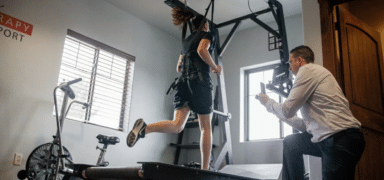
By combining these treatments, you can effectively manage and reduce knee pain, improving your quality of life.
Preventing Knee Pain
Preventing knee pain is crucial for maintaining an active and healthy lifestyle. Here are some effective strategies:
Exercise and Knee Pain
Engaging in low-impact exercises can strengthen the muscles around your knee without causing further damage. Some excellent options include:
- Walking: A simple and effective way to keep your knees moving.
- Swimming: Provides a full-body workout while being easy on the joints.
- Water Aerobics: Combines the benefits of swimming and aerobics.
- Stationary Cycling: Keeps the knees active without the impact of outdoor cycling.
- Elliptical Machines: Offers a low-impact cardio workout.
- Tai Chi: Helps improve balance and flexibility, reducing knee stiffness.
Cardio and Weight Training
Cardio exercises help maintain a healthy weight, which reduces stress on your knees. Weight training strengthens the muscles around your knee, providing better support. Always consult with a physical therapist to design a safe and effective exercise program.
Lifestyle Adjustments
Fall Prevention and Home Safety
A painful or unstable knee can increase the risk of falls. To reduce this risk:
- Ensure your home is well-lit.
- Use handrails on staircases.
- Keep walkways clear of obstacles.
- Use a sturdy ladder or foot stool for reaching high places.
Proper Footwear
Wearing the right shoes can make a big difference. Cushioned insoles can reduce stress on your knees. For those with knee osteoarthritis, special insoles may be recommended. Consult your doctor or a physical therapist to find the best insole for you.
Weight Management
Excess weight puts additional stress on your knees. Even small weight losses can make a significant difference. Combining a healthy diet with regular exercise can help you achieve and maintain a healthy weight.
Avoiding High-Impact Activities
High-impact exercises like running, jumping, and kickboxing can worsen knee pain. Instead, focus on low-impact activities to keep your knees healthy.
Using Walking Aids
Don’t hesitate to use a crutch or cane if needed. These aids can take the stress off your knee, making it easier to move around. Knee splints and braces can also help stabilize your knee.
Temperature Therapy
For the first 48 to 72 hours after a knee injury, use a cold pack to ease swelling and numb pain. After that, you can switch to heat therapy with a warm bath, heating pad, or warm towel. Use each for 15 to 20 minutes, three or four times a day.
Acupuncture
This traditional Chinese medicine technique involves inserting fine needles at specific points on the body. It is widely used to relieve various types of pain, including knee pain.
By incorporating these strategies into your daily routine, you can significantly reduce the risk of knee pain and maintain a more active, pain-free lifestyle.

Conclusion
At Wright Physical Therapy, we believe in personalized care that addresses knee pain at its source. Founded in 2008 in Idaho, our clinic has been dedicated to helping patients regain their mobility and live pain-free lives.
We understand that knee pain can be debilitating, whether it’s from a recent injury or a chronic condition like arthritis. Our approach combines compassionate competence and great character, ensuring that each patient receives the most effective and efficient care possible.
Treating Pain at Its Source
Our physical therapists are experts in diagnosing and treating knee pain. During your first appointment, we will evaluate your knee for signs of misalignment, structural damage, and other issues. This thorough examination allows us to create a customized treatment plan custom to your specific needs.
Joint mobilization, specific exercises, and other soft tissue treatments are part of our comprehensive approach. These treatments aim to relieve pain, improve joint function, and promote the healing of damaged tissues. By treating the root cause of your pain, we help you achieve long-lasting relief.
Community Impact and Patient Education
We are deeply committed to making a positive impact on our community. At Wright Physical Therapy, we believe in empowering our patients through education. Understanding your condition and the treatments available is crucial for effective pain management.
Our health blog is a valuable resource for ongoing education. We continuously upload content covering various topics to keep you informed and knowledgeable about managing knee pain and other conditions.
Seeking Professional Help
If you’re struggling with knee pain, don’t wait to seek professional help. Early intervention can prevent further damage and help you get back to your daily activities more quickly. Our team at Wright Physical Therapy is here to support you every step of the way.
Take control of your knee pain today. Make an appointment with us and start your journey toward long-term pain relief. Together, we can help you live a more flexible, pain-free life.
For more information, visit Wright Physical Therapy.