Introduction
Pelvic floor physical therapy for men is a vital part of men’s health. It targets the muscles at the base of the pelvis. These muscles support the bladder, rectum, and prostate. They help with urinary, bowel, and sexual functions. They also aid in core stability. Understanding and caring for these muscles can improve your overall well-being.
Quick Takeaways:
– Pelvic floor dysfunction affects men too. It can cause issues like incontinence, erectile dysfunction, and chronic pain.
– Pelvic floor physical therapy strengthens and balances these muscles, aiding in symptom relief and overall health.
– Seek a specialist if you experience symptoms such as incontinence, painful bowel movements, or sexual dysfunction.
Recognizing the importance of male pelvic health is vital for improving quality of life. If you’re noticing signs of a weak or overly tense pelvic floor, consulting a qualified pelvic floor physical therapist can make a significant difference.

Understanding Male Pelvic Floor Physical Therapy
What is Male Pelvic Floor Physical Therapy?
Male pelvic floor physical therapy focuses on the pelvic floor muscles, which are a group of muscles at the base of the pelvis. These muscles support the bladder, rectum, and prostate, playing a key role in urinary and bowel functions, sexual performance, and core stability.
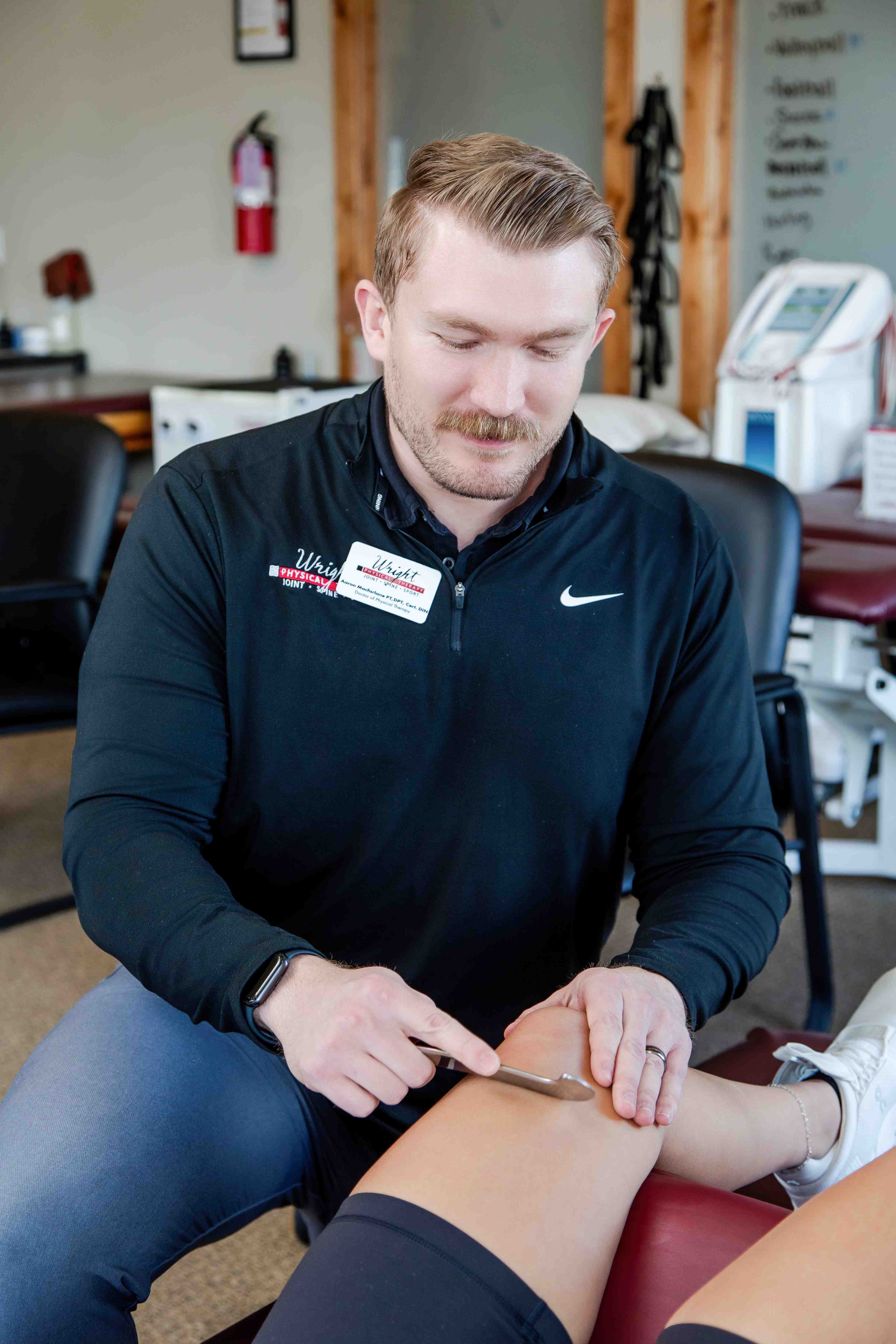
Pelvic floor physical therapists are uniquely trained to treat conditions affecting the male pelvic anatomy. They help with issues related to urologic health, sexual function, and bowel control. At Wright Physical Therapy, our therapists understand the sensitivity of these topics and work to ensure you feel comfortable and informed throughout your treatment.
Why Men Need Pelvic Floor Physical Therapy
Male pelvic floor health is essential for several reasons:
-
Urinary Incontinence: Pelvic floor physical therapy can strengthen muscles weakened by prostate surgery or other conditions, reducing urinary leakage and improving bladder control.
-
Erectile Dysfunction: By improving blood flow and muscle control, pelvic floor therapy can help men manage erectile dysfunction and enhance sexual function.
-
Post-Surgical Recovery: After surgeries like prostate removal or hernia repairs, pelvic floor therapy aids in restoring muscle function, reducing scar tissue, and promoting healing.
-
Athletic Performance: Male athletes benefit from pelvic floor therapy by preventing or addressing issues like groin strains, pelvic instability, or sports-related pelvic pain, enhancing performance and reducing injury risks.
Pelvic anatomy plays a crucial role in these functions. The pelvic floor muscles maintain proper organ positioning, support bladder control, and prevent pelvic organ prolapse. They also contribute to core stability, which is vital for posture and spine support.
Urologic health is deeply connected to pelvic floor strength. Strong pelvic muscles help prevent urinary incontinence and support healthy bladder function. They also play a role in sexual health, aiding in erectile function and reducing issues like painful sex or ejaculation pain.
Bowel control is another significant aspect. Pelvic floor therapy helps manage conditions like constipation and anal incontinence by improving muscle coordination and control.
Facts and Statistics:
– Chicago Pelvic reports that nearly 30-45% of its clientele are men, highlighting the importance of specialized pelvic floor physical therapy in men’s healthcare.
– Studies show that men wait an average of 4.2 years to seek help for pelvic floor dysfunction, but see 70 to 80 percent success in treating symptoms within just four to seven sessions of PT.
By addressing these issues through targeted exercises, education, and lifestyle changes, men can significantly improve their pelvic floor muscle function and overall health. At Wright Physical Therapy, your goals are our goals. We are committed to helping you achieve a healthier, more comfortable life.
Common Conditions Treated with Male Pelvic Floor Physical Therapy
Male pelvic floor physical therapy can address a variety of conditions that affect men’s quality of life. Here are some of the most common issues treated:
Managing Urinary Incontinence
Urinary incontinence is the involuntary leakage of urine. It can be caused by weak pelvic floor muscles, prostate surgery, or other factors.
Types of Urinary Incontinence:
– Stress Incontinence: Leakage during activities like coughing or lifting.
– Urge Incontinence: Sudden, intense urge to urinate.
– Mixed Incontinence: Combination of stress and urge incontinence.
– Overflow Incontinence: Bladder doesn’t empty completely, causing dribbling.
Prostate surgery, especially prostatectomy, often leads to stress incontinence. Up to 90% of men experience some degree of incontinence post-surgery. Physical therapy can help regain bladder control and reduce leakage through exercises like Kegels and core strengthening.
Alleviating Chronic Pelvic Pain
Chronic pelvic pain can affect the groin, genitals, rectum, and lower back. It often results from muscle dysfunction, pudendal neuralgia, or injury.
Key Factors:
– Muscle Dysfunction: Tight or weak muscles cause pain.
– Pudendal Neuralgia: Nerve pain in the pelvic region.
– Pain Cycle: Chronic pain can lead to a cycle of muscle tension and further pain.
Treatment includes manual therapy techniques like myofascial release and trigger point therapy to relieve muscle tension. Relaxation techniques and biofeedback are also used to manage pain.
Enhancing Sexual and Bowel Function
Pelvic floor dysfunction can impact sexual health and bowel control. Weak muscles can lead to erectile dysfunction and fecal incontinence, while muscle tightness can cause constipation.
Erectile Dysfunction:
– Weak pelvic floor muscles can impair erectile function.
– Exercises like Kegels help improve muscle strength and endurance.
Bowel Issues:
– Fecal Incontinence: Inability to control bowel movements.
– Constipation: Difficulty in evacuating bowels.
Therapies include pelvic floor muscle training and neuromuscular re-education to enhance muscle coordination and control.
By focusing on these areas, male pelvic floor physical therapy can lead to significant improvements in daily life and overall well-being.
Treatment Techniques in Male Pelvic Floor Physical Therapy
When it comes to male pelvic floor physical therapy, there are several effective treatment techniques that can help address various issues such as incontinence, chronic pelvic pain, and erectile dysfunction. Let’s explore these techniques in more detail.
Manual Therapy Techniques
Manual therapy involves hands-on techniques to relieve pain and improve muscle function. Here are some common methods used:
- Myofascial Release: This technique involves applying gentle pressure to the connective tissue (fascia) to reduce tension and improve mobility.
- Trigger Point Therapy: Targeting specific areas of tight muscle fibers (trigger points) to relieve pain and improve function.
- Massage: General massage techniques can help to relax muscles, improve circulation, and reduce pain.
Exercise and Strength Training
Exercises are a cornerstone of pelvic floor physical therapy. They help strengthen and coordinate the pelvic floor muscles.
- Kegels: These exercises involve contracting and relaxing the pelvic floor muscles. Imagine stopping the flow of urine mid-stream – that’s a Kegel contraction. Regular practice can strengthen these muscles and improve control over urination.
- Core Strengthening: Exercises that target the core muscles, including the abdomen and lower back, help in providing better support to the pelvic floor.
- Lumbopelvic Stabilization: These exercises focus on stabilizing the lumbar spine and pelvis, which can help improve overall pelvic floor function.
Innovative Therapies
In addition to manual therapy and exercises, innovative therapies can further enhance treatment outcomes.
- Biofeedback: This technique uses electronic devices to provide real-time feedback on muscle activity. It helps patients gain awareness and control over their pelvic floor muscles.
- Electrical Stimulation: This involves using mild electrical currents to stimulate muscle contractions. It can be particularly useful for patients who have difficulty performing exercises on their own.
- Heat Therapy: Applying heat can help relax tight muscles and reduce pain, making other therapeutic exercises more effective.
Patient Education
Education is a vital part of male pelvic floor physical therapy. It involves:
- Dietary Advice: Learning which foods and drinks can irritate the bladder or bowel.
- Activity Modification: Understanding how certain activities can impact pelvic floor health and learning safer alternatives.
- Behavioral Techniques: Strategies for managing stress and improving habits that affect pelvic health.
By combining these treatment techniques, male pelvic floor physical therapy offers a comprehensive approach to improving pelvic health and overall well-being.

Next, we’ll delve into frequently asked questions to address common concerns and misconceptions about male pelvic floor physical therapy.
Frequently Asked Questions about Male Pelvic Floor Physical Therapy
What to Expect from a Male Pelvic Physical Therapy Exam?
When you first visit a pelvic floor physical therapist, you might feel a bit anxious. That’s completely normal. Here’s what typically happens during an exam:
Assessment: Your therapist will start with an interview to understand your symptoms and medical history. They’ll ask about your bowel, bladder, and sexual health.
External Exam: The therapist will then perform a physical exam. They’ll check your lumbopelvic region, hips, and other areas. This part is mostly external and helps them understand your muscle strength and range of motion.
Strength Testing: If you’re comfortable, they might also examine your genitals, perineum, and anal region. You’ll be asked to contract and relax your pelvic muscles. This helps the therapist gather baseline data.
Internal Exam: Sometimes, an internal exam via the rectum is necessary. This part is optional and only done with your consent. It provides crucial information about your pelvic floor muscles.
You can stop the exam at any time if you feel uncomfortable. The aim is to make you feel at ease and informed throughout the process.
How Do Men Fix Pelvic Floor Dysfunction?
Fixing pelvic floor dysfunction involves a few key steps:
Physical Therapy: This is the cornerstone of treatment. A pelvic floor physical therapist will guide you through exercises and techniques tailored to your needs.
Stretching Exercises: These exercises help improve flexibility and relieve tension in your pelvic muscles. Consistent practice can lead to significant improvements.
Biofeedback: This technique uses electronic devices to help you become aware of your pelvic floor muscles. It’s especially useful for learning how to control these muscles better.
Manual Therapy: Techniques like myofascial release and trigger point therapy help relieve muscle tension and pain. Your therapist will use their hands to apply pressure and stretch the muscles.
Can You Massage Male Pelvic Floor Muscles?
Yes, you can, and it’s often part of the treatment:
Myofascial Release: This involves gentle, sustained pressure on the connective tissues to alleviate pain and restore motion. It’s a common technique in pelvic floor therapy.
Trigger Point Therapy: This targets specific points in the muscles that cause pain. By applying pressure, the therapist can help release these tight spots.
Massage: General massage techniques can also be used to relax the pelvic muscles and improve blood flow.
These therapies help reduce pain, improve muscle function, and enhance overall pelvic health.
Next, we’ll delve into frequently asked questions to address common concerns and misconceptions about male pelvic floor physical therapy.
Conclusion
Pelvic floor dysfunction can significantly impact your daily life, but male pelvic floor physical therapy offers a path to empowerment and improved quality of life. By addressing issues like urinary incontinence, chronic pelvic pain, and erectile dysfunction, you can regain control and enjoy a more comfortable, fulfilling life.
Imagine being able to go through your day without worrying about leaks or pain. Picture yourself engaging in activities you love without discomfort. This is the kind of transformation that pelvic floor therapy can bring.
We understand that discussing topics like urination, bowel movements, and sexual health can be uncomfortable. However, as Dr. Dmochowski said, “You have to take care of yourself. Don’t ignore your symptoms, because urinary symptoms are very common in men, and they could be quite problematic later on.” Taking proactive steps now can prevent bigger issues down the line.
If you’re experiencing symptoms that won’t go away, it’s time to seek help. Contact Wright Physical Therapy to schedule a consultation and start your journey towards better pelvic health. Our specialized programs are designed to address your specific needs and help you get back to living your life without pain.
Get started with Wright Physical Therapy today!