
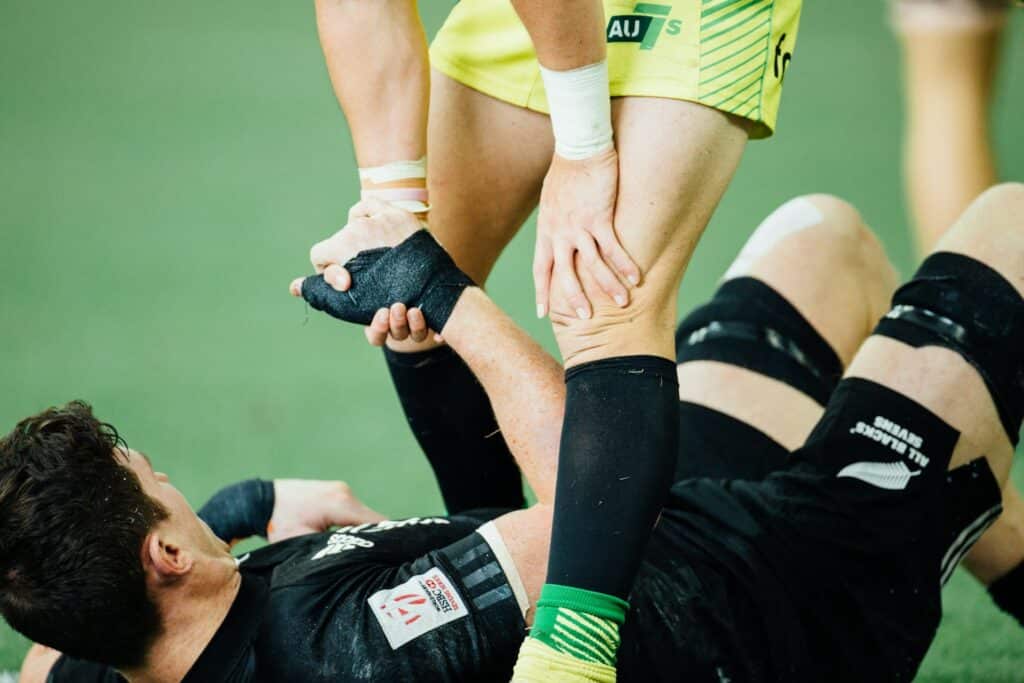
In the realm of sports, the spirit of competition often pushes athletes to their physical limits. This drive to excel, however, can sometimes lead to a variety of injuries. From sprained ankles and torn ligaments to stress fractures and concussions, sports injuries are a common occurrence that can sideline even the most seasoned athletes. It’s a reality that, while often an unwelcome interruption, is an inherent part of the athletic world.
Knowing how to identify these common injuries, understand their causes, and apply effective rehabilitation techniques is crucial for any individual engaged in physical activities. This knowledge not only aids in faster recovery but also helps prevent future injuries. This comprehensive guide delves into the world of sports injuries, offering insights into their identification and the rehabilitation methods employed by professionals.
Whether you’re a fitness enthusiast, a budding athlete, or an experienced sports professional, understanding these injuries will equip you with the knowledge to maintain your athletic prowess and health in the face of adversity.
The Path to Healing: Common Sports Injuries and Their Rehabilitation Techniques
1. Sprains and Strains: Causes, Symptoms, and Treatment
A sprain refers to the tearing or stretching of a ligament, while a strain involves similar damage to a muscle or tendon. These injuries often occur during activities that involve abrupt or forced movements, such as sprinting, jumping, or abrupt changes in direction. Symptoms of sprains and strains include swelling, pain, bruising, and difficulty moving the affected area.
Physical therapy treatments for sprains and strains often focus on reducing inflammation, managing pain, and restoring flexibility. Initially, a therapist may recommend the P.O.L.I.C.E method to reduce swelling and alleviate pain. This acronym stands for:
- Protection: This involves safeguarding the injured area from further harm. This might include the use of splints, crutches, or protective footwear.
- Optimal Load: This is the process of gradually reintroducing movement and weight-bearing activities to the affected area. This helps stimulate the body’s natural healing process. The key here is “optimal” – not too much and not too little. This phase is often guided by a physical therapist or healthcare professional.
- Ice: Applying ice to the injured region can reduce pain and swelling. It is usually applied for 15-20 minutes at a time, with breaks in between to avoid skin damage. It is advisable to wrap the ice in a towel or cloth to protect the skin.
- Compression: This involves applying a bandage or wrap to the injured area. Compression helps control swelling and provides support to the injured tissue. It should be firm but not so tight as to restrict circulation.
- Elevation: Raising the injured area above the level of the heart whenever possible can help to reduce swelling. This is particularly effective for lower body injuries.
As healing progresses, physical therapy modalities such as range-of-motion exercises, stretching, and targeted strengthening techniques can help regain both stability and mobility in the injured area.
2. Tendinitis: Overuse Injuries and Rehabilitation
Tendinitis, the inflammation of a tendon, is a common overuse injury typically caused by repetitive motions during sports or other daily activities. Examples of tendinitis include tennis elbow, Achilles tendinitis, and pitcher’s shoulder. Tendinitis symptoms can include localized pain, swelling, and reduced range of motion.
Physical therapy is often the first line of defense for treating tendinitis. A therapist will assess the patient’s injury and create a rehabilitation plan focused on decreasing inflammation and promoting tendon healing. Rehabilitation techniques may include icing, anti-inflammatory medications, ultrasound therapy, and eccentric strengthening exercises. As the tendon heals, a physical therapist may also recommend modifications in training routines to prevent recurrence of the injury.
3. Fractures and Dislocations: Injuries That Require Immediate Attention
Fractures and dislocations are severe injuries that result from falls, impacts, or other accidents during sports activities. A fracture occurs when a bone breaks or cracks, whereas a dislocation refers to the displacement of a bone from its joint. Both injuries result in significant pain and immobility and require immediate medical attention.
Physical therapy plays a crucial role in the long-term recovery of fractures and dislocations, helping the patient regain strength, improve range of motion, and restore the function of the injured area.
Following a period of immobilization or surgical intervention, a physical therapist will develop an individualized rehabilitation program. This plan might include targeted strengthening exercises, range-of-motion activities, and functional training to restore normal movement patterns and return to sports activities safely.
4. Concussions: A Growing Concern in Sports Injuries
A concussion is a type of traumatic brain injury caused by a blow to the head or violent shaking of the head and body. Concussions are particularly prevalent in contact sports, such as football and hockey. Some common concussion symptoms include headaches, dizziness, nausea, and difficulty with concentration.
Physical therapy can be an essential element of concussion management and recovery, especially in addressing balance and coordination issues. Vestibular rehabilitation, a specialized form of therapy, focuses on treating dizziness and balance issues caused by concussion. This approach involves targeted exercises, such as gaze stabilization and habituation exercises, to address specific problems and improve the patient’s overall functionality.
Learning to Identify and Treat the Typical Injuries in Sports
Sports injuries are an unfortunate, but manageable aspect of an athlete’s journey. By understanding the common injuries and their rehabilitation techniques, athletes and their support systems can navigate these challenges more effectively, ensuring a swift and successful return to the sports they love. This knowledge is not just power, but also a tool for resilience, recovery, and ultimately, victory.
At Wright Physical Therapy, our team of physical therapists in Idaho are committed to helping you return to your daily activities and sports safely and confidently. Reach out to us today to discuss your sports injury concerns and start your journey to recovery!