

Understanding Osteoarthritis: Your Guide to OA
If you’re ever puzzled by the term oa medical abbreviation, it stands for Osteoarthritis. This form of arthritis is also known as degenerative joint disease or wear and tear arthritis. It prominently involves the breakdown of the cartilage, making joints stiff, painful, and less mobile.
Key Points:
– OA medical abbreviation: Osteoarthritis
– Also known as: Degenerative joint disease or wear and tear arthritis
– Main symptoms: Joint pain, stiffness, and loss of mobility
Osteoarthritis is a progressive condition, meaning it worsens over time. It usually strikes adults over 50 and can affect various parts of the body, most frequently the knees, hips, hands, and lower back. While there’s currently no cure, treatments can manage pain and keep you active.
I’m Bryan Wright, dedicated to helping others live a joyful life free from pain. With experience in high-skilled physical therapy, my goal is to improve your understanding and management of conditions like OA.
Let’s dive deeper into what osteoarthritis is and how it can be managed.
What is Osteoarthritis (OA)?
Osteoarthritis, often abbreviated as OA, is a common condition affecting millions of people worldwide. Known as degenerative joint disease or wear and tear arthritis, it involves the gradual breakdown of cartilage, the protective tissue at the ends of bones. This leads to pain, stiffness, and loss of mobility in the affected joints.
Causes of Osteoarthritis
Several factors can contribute to the development of OA:
- Age: The risk increases as you get older, particularly after 50.
- Joint injury: Previous injuries, like a torn ACL, can hasten the onset of OA.
- Overuse: Repetitive stress on joints from activities or jobs can cause wear and tear.
- Obesity: Extra weight puts additional stress on joints, especially the knees.
- Musculoskeletal abnormalities: Misaligned bones or joints can speed up cartilage degradation.
- Weak muscles: Muscles that don’t adequately support joints can lead to poor alignment and OA.
- Genetics: A family history of OA increases your risk.
- Gender: Women are more likely to develop OA than men.
- Environmental factors: Occupations, physical activity levels, and diet all play roles.
Symptoms of Osteoarthritis
Symptoms of OA usually develop slowly and worsen over time. They include:
- Joint pain: Often felt during or after movement.
- Stiffness: Particularly noticeable in the morning or after periods of inactivity.
- Limited range of motion: Difficulty moving the joint fully.
- Clicking or popping sounds: Known as crepitus, these sounds occur when the joint moves.
- Swelling: Fluid accumulation around the affected joint.
- Muscle weakness: Surrounding muscles may weaken over time.
- Joint instability: The joint may feel like it could give out.
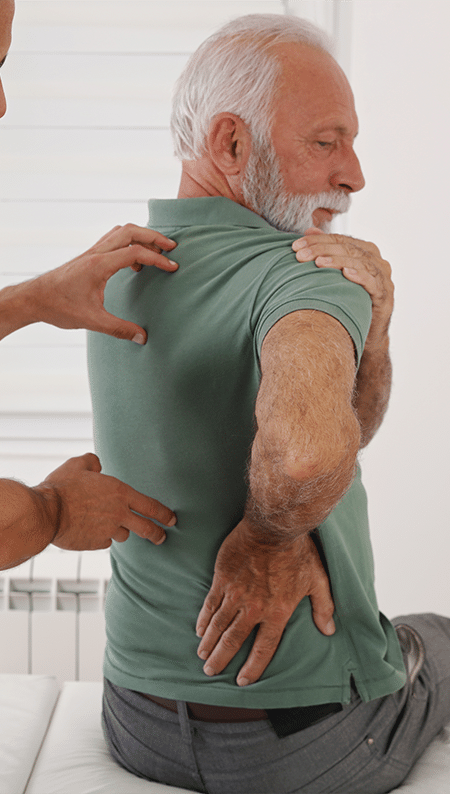
Case Study: A 55-year-old office worker started noticing pain and stiffness in his knees. Over time, the pain worsened, especially after climbing stairs. An X-ray revealed that he had OA in his knees, likely due to a combination of age and repetitive stress from years of running.
Statistics: According to the Arthritis Foundation, more than 80% of adults over 55 have some degree of OA, although not all experience symptoms.
Understanding the causes and symptoms of OA can help in early diagnosis and management. In the next section, we’ll explore how healthcare providers diagnose OA and the various stages of this condition.
Diagnosing Osteoarthritis
Diagnosing osteoarthritis (OA) involves a combination of medical history, physical examinations, and various tests. Understanding these diagnostic tools can help you know what to expect and why they are important.
Medical History
Your healthcare provider will start by asking about your symptoms and medical history. Questions may include:
- When did you first notice the pain?
- What activities make the pain worse or better?
- Do you have a family history of OA?
Physical Examination
A thorough physical exam helps the provider assess your joint health. They will look for:
- Swelling: Indicates inflammation.
- Range of Motion: Measures how much you can move the joint.
- Pain Points: Identifies specific areas of discomfort.
- Joint Stability: Checks if the joint feels unstable or loose.
Lab Tests
While there is no specific lab test for OA, some tests can rule out other conditions:
- Blood Tests: Used to exclude other types of arthritis, like rheumatoid arthritis.
- Joint Aspiration: A sterile needle withdraws fluid from the joint to check for inflammation or infection.
Imaging Tests
Imaging tests provide a detailed look at the joint structure:
- X-rays: Can reveal bone spurs, joint space narrowing, and cartilage loss.
- MRI: Offers a more detailed view, useful for early-stage OA detection.
Stages of Osteoarthritis
OA progresses through different stages, each requiring specific management strategies.
Early Arthritis
- Symptoms: Mild pain and stiffness, especially after activity.
- Diagnosis: Often detected through physical exams and medical history.
- Management: Lifestyle changes and mild pain relievers.
Moderate Arthritis
- Symptoms: More persistent pain, swelling, and reduced range of motion.
- Diagnosis: X-rays show noticeable joint space narrowing.
- Management: Stronger medications, physical therapy, and possibly injections.
Advanced Arthritis
- Symptoms: Severe pain, significant stiffness, and limited mobility.
- Diagnosis: X-rays and MRI show extensive cartilage loss and bone damage.
- Management: Strong pain relief, physical therapy, and assistive devices.
Surgical Stage
- Symptoms: Extreme pain and disability that interfere with daily activities.
- Diagnosis: Imaging tests confirm severe joint damage.
- Management: Surgery, such as joint replacement, may be necessary.

Case Study: Sarah, a 62-year-old teacher, experienced increasing hip pain over several years. Initially, she managed with over-the-counter pain relievers. As the pain worsened, her doctor ordered an MRI, which showed advanced OA. Sarah eventually opted for hip replacement surgery, significantly improving her quality of life.
Quote: “The quicker you can get somebody in to a physical therapist after the pain starts, the better the outcomes,” says Dr. Alysia Robichau, a sports medicine physician.
By understanding the diagnostic process and stages of OA, you can better prepare for the next steps in managing this condition. In the following sections, we’ll dig into the various treatment options available for OA.
Treatment Options for Osteoarthritis
Managing osteoarthritis (OA) involves a mix of medications, therapies, and lifestyle changes. Here’s a breakdown of the most effective options.
Medications for OA
Pain management is crucial for improving quality of life. Several types of medications can help:
- Analgesics: These pain relievers include acetaminophen, which is available over the counter (OTC). For severe pain, doctors may prescribe opioids, but these come with risks of addiction and side effects.
- Nonsteroidal Anti-Inflammatory Drugs (NSAIDs): Commonly used to reduce pain and inflammation. Options include aspirin, ibuprofen, and naproxen, available both OTC and by prescription.
- Counterirritants: Products containing capsaicin, menthol, or lidocaine can distract from pain by causing a sensation of heat or cold.
- Corticosteroids: Powerful anti-inflammatory medications that can be taken orally or injected directly into the joint for quick relief.
- Platelet-Rich Plasma (PRP): This experimental treatment involves injecting a concentration of a patient’s own platelets to reduce inflammation. Discuss this with your doctor as it’s not FDA-approved.
- Duloxetine (Cymbalta): Originally an antidepressant, this medication is also FDA-approved for treating chronic pain, including OA.
- Pregabalin (Lyrica): An anti-seizure drug that can help manage OA pain.
Nondrug Therapies
Exercise is vital for managing OA. Aim for 150 minutes of moderate-to-vigorous exercise per week, as recommended by the U.S. Department of Health and Human Services. A balanced exercise routine should include:
- Strengthening Exercises: Build muscle around the joints to provide better support.
- Range-of-Motion Exercises: Improve flexibility and reduce stiffness.
- Aerobic Exercises: Activities like walking or swimming improve overall fitness without putting too much stress on the joints.
- Balance Exercises: Improve stability and reduce the risk of falls.
Physical Therapy can provide a custom exercise plan and teach you how to use assistive devices like canes or braces to reduce strain on your joints.

Self-Care and Lifestyle Changes
Maintaining a healthy weight is crucial. Extra pounds put more pressure on weight-bearing joints, worsening symptoms. Weight loss can significantly reduce pain and improve function.
Blood sugar control is also important. High blood sugar can make OA worse, so managing diabetes or prediabetes is essential.
Maintaining range of motion through daily exercises can keep your joints flexible. Activities like stretching and yoga can be very beneficial.
Joint protection strategies, such as using proper body mechanics and avoiding repetitive stress, can help prevent further damage.
Relaxation techniques like deep breathing or meditation can reduce stress, which can exacerbate pain.
Finally, adopting a healthy lifestyle—including a balanced diet rich in anti-inflammatory foods, adequate sleep, and regular physical activity—can improve your overall well-being and help manage OA symptoms.
By integrating these treatment options, you can effectively manage osteoarthritis and maintain a better quality of life. Next, we’ll explore how Wright Physical Therapy can support you in this journey.
Conclusion
At Wright Physical Therapy, we believe in a personalized approach to managing osteoarthritis (OA). Our goal is to help you improve your quality of life through comprehensive, individualized care.
Personalized Care
Every person’s experience with OA is unique. That’s why we tailor our treatments to meet your specific needs. Whether it’s creating a custom exercise plan, providing manual therapy, or recommending the best assistive devices, we’re here to support you every step of the way.
Community Impact
We are deeply committed to our community. Through education and outreach programs, we aim to increase awareness about OA and its management. By partnering with local organizations and hosting workshops, we strive to make a positive impact on the lives of those affected by osteoarthritis.
Patient Education
Education is a key part of our approach. We provide you with the information and tools you need to manage your condition effectively. From understanding the importance of maintaining a healthy weight to learning how to protect your joints, we empower you to take control of your health.
Managing OA Symptoms
Our team of experts will work with you to develop a comprehensive plan to manage your symptoms. This may include a combination of physical therapy, exercise, and lifestyle changes. We focus on reducing pain, improving mobility, and enhancing your overall well-being.
Improving Quality of Life
Our ultimate goal is to help you live a fulfilling life despite OA. By providing effective treatments and ongoing support, we aim to improve your daily function and quality of life.
If you’re ready to take the next step in managing your osteoarthritis, we invite you to schedule an appointment with Wright Physical Therapy. Let us help you get back to doing the activities you love.