

Osteoarthritis CMC joint physical therapy treatment provides a vital approach to managing the discomfort caused by Thumb Carpometacarpal (CMC) arthritis. If you’re experiencing joint pain at the base of your thumb, inflammation, and stiffness, you might be dealing with this common arthritic condition. Physical therapy can help reduce pain and improve joint function through targeted exercises and other treatments.
Thumb CMC arthritis occurs when the protective cartilage wears down from repetitive motion or age-related changes, leading to bone-on-bone contact. This is often accompanied by joint pain, swelling, and reduced strength, especially when pinching or gripping.
At Wright Physical Therapy, we understand the challenges this condition brings to daily activities and offer custom treatment plans to help preserve joint function and alleviate pain.
As an expert in osteoarthritis cmc joint physical therapy treatment, my name is Bryan Wright. With a focus on high-skilled physical therapy, I am committed to innovating solutions that alleviate suffering and promote joyful living.
Glossary for osteoarthritis cmc joint physical therapy treatment:
– ac joint treatment physical therapy
– joint treatment therapy
– physical therapy treatment for sacroiliac joint dysfunction
Understanding CMC Joint Osteoarthritis
Thumb CMC osteoarthritis is a common condition that affects the base of your thumb. This condition arises when the cartilage, which acts as a cushion between bones, deteriorates. As the cartilage wears away, the bones begin to rub against each other. This bone-on-bone contact can lead to pain, swelling, and stiffness.
Causes and Risk Factors
Several factors can contribute to the development of CMC joint osteoarthritis:
-
Degenerative Changes: As we age, the wear and tear on our joints can lead to degeneration. This is a natural process but can be accelerated by other factors.
-
Repetitive Motion: Jobs or activities that require frequent use of the thumb, such as typing or gripping tools, can increase the risk of developing this condition. Over time, these repetitive motions can strain the joint, leading to faster cartilage breakdown.
-
Family History: Genetics can play a significant role in the likelihood of developing osteoarthritis. If your family has a history of this condition, you may be more prone to experiencing it yourself.
Symptoms and Diagnosis
The symptoms of CMC joint osteoarthritis can significantly impact daily life. Here’s what to look out for:
-
Joint Pain and Stiffness: Pain at the base of the thumb is a common symptom. This pain can be especially noticeable during activities that involve gripping or pinching. Stiffness often occurs after periods of inactivity or in the morning.
-
Swelling: The affected joint may become swollen and tender to the touch.
-
Weakness: You might notice a decrease in thumb strength, making it difficult to perform tasks that require fine motor skills.
To diagnose CMC joint osteoarthritis, healthcare providers often use a combination of physical examinations and imaging tests. One useful test is the Colditz Tear Test, which can help assess the stability of the thumb joint. During this test, the therapist observes how the thumb reacts under load, identifying any tendency for collapse.
Early diagnosis is crucial for managing symptoms effectively. If you suspect you have CMC joint osteoarthritis, consulting a specialist can lead to a treatment plan that helps maintain your joint health.
In the next section, we’ll dive deeper into how physical therapy can play a pivotal role in managing this condition.
Osteoarthritis CMC Joint Physical Therapy Treatment
Physical therapy is a powerful tool for managing osteoarthritis CMC joint issues. It focuses on reducing pain, improving joint function, and enhancing overall quality of life. Let’s explore how it works.
Role of Physical Therapy
Physical therapy helps in several ways:
-
Pain Relief: Through targeted exercises and techniques, therapy can help reduce inflammation and alleviate pain. This means more comfort in daily activities.
-
Improved Joint Function: Therapy isn’t just about reducing pain; it’s also about making your thumb work better. By improving range of motion (ROM) and strengthening muscles, you can improve the thumb’s function.
-
Therapeutic Exercises: These are specific exercises designed to target the affected area. They help in rebuilding strength and flexibility around the joint.
Effective Exercises for CMC Joint
Exercises are a cornerstone of therapy for thumb CMC osteoarthritis. Here’s what you might expect:
-
Muscle Strength Training: Strengthening the muscles around the thumb can provide better support to the joint. This includes exercises for the first dorsal interosseous muscle, which plays a crucial role in thumb stability.
-
Aerobic Exercise: Keeping active with low-impact aerobic exercises can improve overall joint health. Activities like swimming or cycling can be beneficial.
-
Resistance Training: Using resistance bands can add an extra challenge to exercises, helping to build strength without putting too much strain on the joint.
-
Thumb Stabilization: Exercises that focus on stabilizing the thumb can prevent further damage. Techniques like the “C” shape exercise, where you form a “C” with your thumb and fingers, can help in maintaining proper alignment.
-
ROM Exercises: These exercises maintain and improve the thumb’s range of motion. Simple movements, like bending the thumb across the palm and then straightening it, can be very effective.
-
Isometric Exercises: These involve contracting muscles without moving the joint, providing strength without pain. An example is pressing the thumb against the side of the index finger without moving.
Physical therapy offers a custom approach, ensuring that each exercise meets the individual’s needs and capabilities. By incorporating these exercises into your routine, you can significantly improve your thumb’s health and functionality.
In the following section, we’ll explore additional treatment approaches that complement physical therapy.
Additional Treatment Approaches
When dealing with osteoarthritis CMC joint physical therapy treatment, it’s important to consider additional approaches that can complement exercises and improve overall outcomes. Two key methods include splinting and joint protection strategies, as well as manual techniques and patient education.
Splinting and Joint Protection
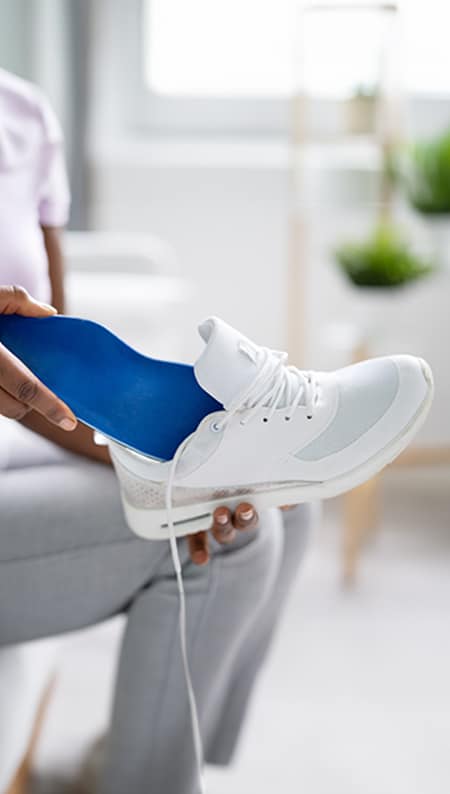
Splinting is a common and effective way to support the thumb joint. A thumb brace can help rest the joint, allowing inflammation and pain to decrease. There are various types of orthoses available, and selecting the right one depends on individual needs. Consulting a skilled therapist can ensure the best fit and function.
Joint protection strategies are equally important. These involve using techniques to minimize stress on the joint during daily activities. For instance, using larger joints or the whole hand to lift objects can reduce strain on the thumb. Learning to modify tasks can prevent further damage and maintain joint health.
Manual Techniques and Patient Education
Manual techniques offer another layer of relief and support. These can include:
-
Joint Mobilization: Gentle movements applied by a therapist to improve joint function and reduce stiffness.
-
Soft Tissue Mobilization: Techniques like massage that target muscles and tissues around the joint to ease tension and pain.
-
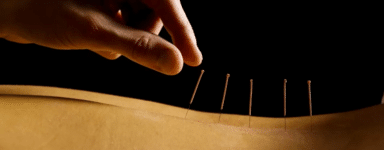
Dry Needling and Cupping: These methods can also be used to alleviate discomfort and improve mobility.
Patient education plays a critical role in managing thumb CMC osteoarthritis. Understanding the condition and how to protect the joint is empowering. Education can cover topics like proper hand positioning, activity modification, and self-care strategies.
By incorporating these additional approaches, individuals can achieve a more comprehensive management plan for their thumb CMC osteoarthritis. These methods work hand-in-hand with physical therapy exercises, offering a holistic approach to improving function and reducing pain.
Conclusion
At Wright Physical Therapy, we are committed to providing personalized care that addresses the unique needs of each patient. Our approach to treating osteoarthritis CMC joint physical therapy treatment is not just about exercises—it’s about fostering a supportive environment where healing can thrive.
Personalized Care
We believe that personalized care is the key to effective treatment. Our therapists take the time to understand each patient’s specific condition and design a therapy plan custom to their needs. This ensures that every patient receives the most effective and efficient care possible, focusing on reducing pain and improving joint function.
Community Impact
Beyond individual care, we are deeply invested in the communities we serve. Our involvement doesn’t stop at the clinic doors. We actively participate in local events and support charitable initiatives, reinforcing our commitment to making a positive impact. By choosing Wright Physical Therapy, you are not only prioritizing your health but also contributing to a greater cause.
Empowering Through Education
Education is a cornerstone of our practice. We empower our patients by providing them with the knowledge they need to manage their condition effectively. This includes understanding their treatment plan, learning joint protection strategies, and knowing how to perform exercises correctly. Our goal is to equip you with the tools to maintain your health and prevent future issues.
For more information on how we can help you achieve your health goals, visit our Physical Therapy Treatments page.
Together, let’s move towards a healthier future.