
Introduction
Pelvic floor dysfunction physical therapy is a specialized treatment that can dramatically improve your quality of life. Pelvic floor dysfunction affects millions of people, causing problems like pelvic pain, incontinence, and sexual discomfort. Addressing these issues through targeted physical therapy can bring significant relief.
Here’s what you need to know upfront:
- Overview: Pelvic floor physical therapy targets the muscles supporting your bladder, reproductive organs, and bowels.
- Importance: Strong pelvic floor muscles are crucial for bladder control, bowel movements, and sexual health.
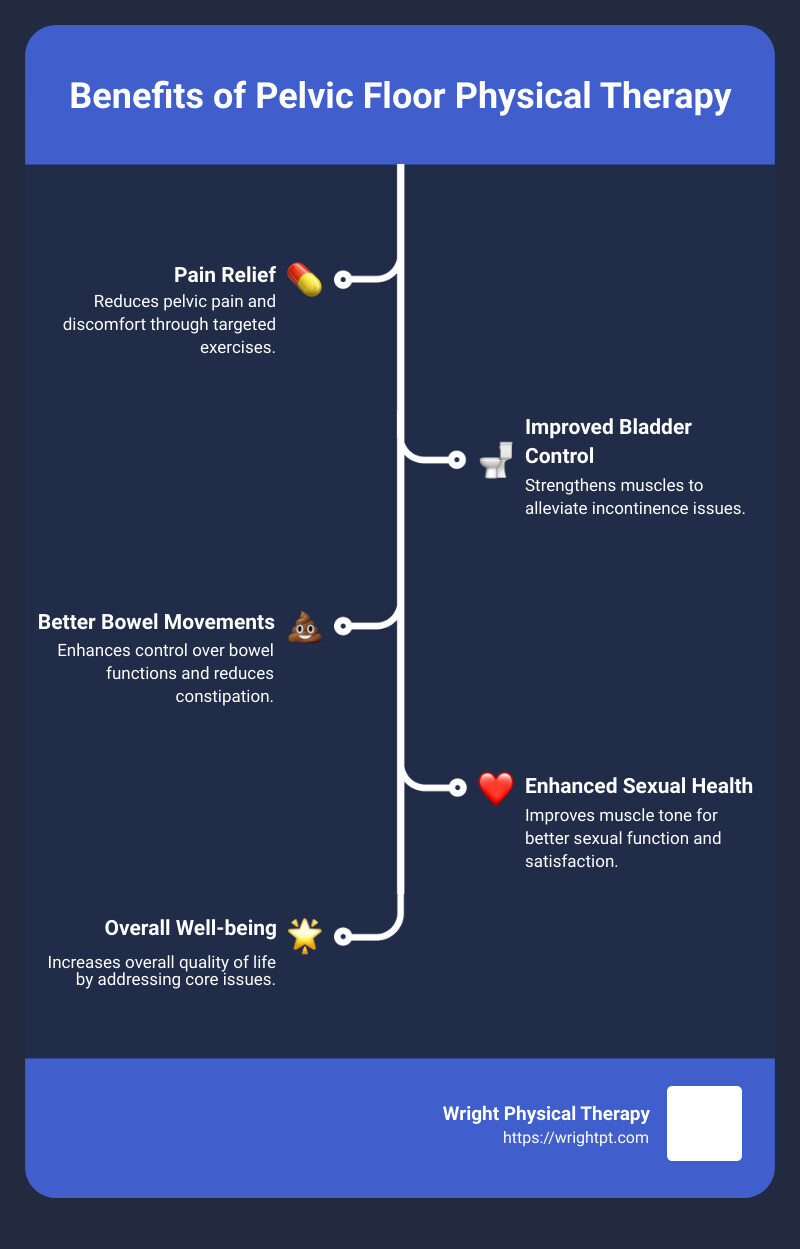
- Benefits: Physical therapy can relieve pain, improve bowel and bladder control, and enhance your overall well-being.
Pelvic floor issues aren’t just a problem for women; men can suffer too. Whether it’s due to aging, surgery, or other factors, many find relief through specialized physical therapy. As emphasized by David French, PT, DPT: “The biggest issue is awareness.”
Understanding Pelvic Floor Dysfunction
Pelvic floor dysfunction happens when you can’t properly relax and coordinate the muscles in your pelvic floor. These muscles support your bladder, uterus, prostate, and rectum, and are essential for going to the bathroom and having sex.
Symptoms
Pelvic floor dysfunction can cause a variety of symptoms, including:
- Constipation: Difficulty passing stool.
- Straining: Needing to push hard to poop.
- Incontinence: Leaking urine or stool.
- Frequent Urination: Feeling like you have to pee often.
- Pain: Discomfort during sex (for those assigned female at birth) or trouble maintaining an erection (for those assigned male at birth).
Causes
Experts aren’t sure what exactly causes pelvic floor dysfunction, but several factors might contribute:
- Childbirth: Vaginal deliveries can weaken pelvic muscles.
- Surgery: Procedures like prostate surgery can impact these muscles.
- Aging: Muscles naturally weaken over time.
- Obesity: Extra weight puts pressure on the pelvic floor.
- Injury: Trauma to the pelvic area can cause dysfunction.
Impact
Pelvic floor dysfunction can seriously affect your quality of life. People often feel embarrassed to discuss symptoms like difficulty peeing or pooping. However, these issues are common and treatable.
For women: It can cause pain during sex and affect daily activities.
For men: It can lead to urinary incontinence and erectile dysfunction.
Ignoring these symptoms can make them worse over time. But you don’t have to live with discomfort. Pelvic floor dysfunction physical therapy can help you regain control and improve your daily life.

Remember: The more open you are with your healthcare provider, the better your treatment plan will be. Don’t hesitate to seek help and discuss your symptoms.
Next, we’ll dive into what pelvic floor dysfunction physical therapy involves and the key techniques used in treatment.
Pelvic Floor Dysfunction Physical Therapy: What It Involves
Key Techniques in Physical Therapy
When it comes to pelvic floor dysfunction physical therapy, understanding the process and techniques involved can help you feel more confident about your treatment. Here’s a breakdown of what to expect:
Assessment
Your journey begins with an assessment. Your physical therapist (PT) will ask about your symptoms, medical history, and lifestyle. They might perform a physical exam to check the strength and coordination of your pelvic floor muscles. This helps them understand the root cause of your dysfunction.
Treatment Plan
Based on the assessment, your PT will create a personalized treatment plan. This plan is tailored to your specific needs and goals. It usually includes a combination of exercises and techniques designed to improve muscle function, reduce pain, and enhance your quality of life.
Techniques
Several techniques are commonly used in pelvic floor physical therapy. Let’s look at some of the key ones:
Trigger Point Therapy
Trigger point therapy involves applying pressure to specific points on your body that are causing pain or discomfort. These points, known as trigger points, can be treated externally or internally. Sometimes, anesthesia might be injected into these areas to provide relief.
Kegels
Kegels are exercises that involve contracting and relaxing the pelvic floor muscles. These exercises are effective for strengthening these muscles and can help with issues like incontinence and pain during sex. Your PT will guide you on how to perform Kegels correctly to maximize their benefits.
Electrical Stimulation
Electrical stimulation uses special equipment to send small electrical currents to the pelvic floor muscles. This helps to reduce pain and muscle spasms. Your PT may do this in the office or teach you how to use the equipment at home.
Biofeedback
Biofeedback is a technique that uses devices to monitor the contraction of your pelvic floor muscles. Electrodes are placed on your body, or an internal probe is used to measure muscle activity. The results are displayed on a screen, allowing you and your PT to see how well your muscles are working and to track your progress.
These techniques are just a few of the tools that your PT might use to help you regain control and improve your pelvic health. Each method is chosen based on your specific condition and needs.
Next, we’ll explore the benefits of pelvic floor dysfunction physical therapy and how it can improve your daily activities.
Benefits of Pelvic Floor Dysfunction Physical Therapy
How Therapy Can Improve Daily Activities
Pelvic floor dysfunction physical therapy offers numerous benefits that can greatly improve your daily activities and overall quality of life. Let’s dive into how this specialized therapy can make a difference.
Symptom Relief
One of the primary goals of pelvic floor physical therapy is to relieve symptoms associated with pelvic floor dysfunction. These symptoms can include frequent urination, constipation, and pain during sex. By working with a trained physical therapist, you can learn exercises and techniques that help your pelvic muscles relax and function properly, providing much-needed relief.
Improved Quality of Life
Imagine being able to go through your day without worrying about sudden urges to pee or unexpected leaks. Pelvic floor physical therapy can help you regain control over your bladder and bowels, making it easier to participate in activities you love without fear of embarrassment. This improvement in daily functioning can significantly boost your confidence and overall well-being.
Enhanced Sexual Function
For many, pelvic floor dysfunction can lead to painful or unsatisfying sexual experiences. Women may experience pain during intercourse, while men might struggle with erectile dysfunction. Pelvic floor therapy can address these issues by strengthening and relaxing the pelvic muscles, leading to more enjoyable and pain-free sexual activity.
A study published in the Sexual Medicine Reviews found that pelvic floor physical therapy can improve sexual function in both men and women, enhancing their overall quality of life.
Bladder Control
One of the most common issues related to pelvic floor dysfunction is urinary incontinence. This can manifest as frequent urges to pee or difficulty controlling your bladder. Through targeted exercises and techniques like biofeedback, pelvic floor therapy can help you regain control, reducing or even eliminating incontinence.
Pain Reduction
Pelvic pain can be debilitating, affecting your ability to sit, walk, or even sleep comfortably. Physical therapy techniques such as trigger point therapy and manual manipulation can significantly reduce pain. By addressing the root causes of your discomfort, you can experience lasting relief.
Sexual Health
Improving the strength and coordination of your pelvic floor muscles can also enhance sexual health. For women, this might mean less pain during intercourse and better orgasms. For men, stronger pelvic floor muscles can lead to improved erectile function and overall sexual performance.
According to research in the Journal of Midwifery & Women’s Health, pelvic floor physical therapy not only helps alleviate pain but also enhances sexual satisfaction for many women.
In summary, pelvic floor dysfunction physical therapy offers a comprehensive approach to managing and alleviating symptoms that can disrupt your daily life. Whether it’s improving bladder control, reducing pain, or enhancing sexual health, this therapy can provide significant benefits.
Next, we’ll discuss tips and strategies for managing pelvic floor dysfunction, including lifestyle adjustments that can support your therapy and improve outcomes.
Managing Pelvic Floor Dysfunction: Tips and Strategies
Lifestyle Adjustments for Better Outcomes
Managing pelvic floor dysfunction effectively often requires more than just physical therapy sessions. Here are some lifestyle adjustments that can significantly improve your outcomes:
Fluid Management
Stay Hydrated: Drink adequate water throughout the day, but avoid excessive fluid intake close to bedtime to reduce nighttime trips to the bathroom.
Limit Irritants: Reduce or avoid bladder irritants like caffeine, alcohol, and spicy foods. These can exacerbate symptoms of urinary urgency and frequency.
Healthy Weight
Maintain a Healthy Weight: Excess weight can put additional pressure on your pelvic floor muscles, leading to dysfunction. Adopting a balanced diet and regular exercise can help you achieve and maintain a healthy weight.
Exercise
Engage in Regular Physical Activity: Low-impact exercises like swimming, walking, and yoga can strengthen your overall body without putting undue stress on your pelvic floor.
Targeted Pelvic Floor Exercises: Exercises like Kegels, when done correctly, can help strengthen the pelvic floor muscles. However, learn the proper technique to avoid worsening symptoms. A pelvic floor physical therapist can guide you in this.
Smoking Cessation
Quit Smoking: Smoking can lead to chronic coughing, which puts stress on your pelvic floor muscles. Quitting smoking can reduce this strain and improve your pelvic health.
Diet
Eat a Fiber-Rich Diet: A diet high in fiber can help prevent constipation, which is a common cause of pelvic floor dysfunction. Include plenty of fruits, vegetables, and whole grains in your meals.
Avoid Constipating Foods: Minimize the intake of foods that can cause constipation, such as processed foods, dairy, and red meat.
Physical Activity
Practice Proper Lifting Techniques: When lifting heavy objects, engage your core muscles and use your legs to lift, not your back. This reduces the strain on your pelvic floor muscles.
Incorporate Core Strengthening: Strengthening your core can provide better support for your pelvic floor. Exercises like planks and pelvic tilts can be beneficial.
Stress Management
Manage Stress: Chronic stress can lead to muscle tension, including in the pelvic floor. Techniques like deep breathing, meditation, and mindfulness can help you manage stress effectively.
Seek Support: Joining support groups or online forums can provide a sense of community and shared experiences, helping you navigate your pelvic floor health journey.
Implementing these lifestyle adjustments can significantly support your pelvic floor dysfunction physical therapy and improve your overall well-being.
Next, we’ll answer some frequently asked questions about pelvic floor dysfunction physical therapy to help you better understand this treatment approach.
Frequently Asked Questions about Pelvic Floor Dysfunction Physical Therapy
What does a physical therapist do for pelvic floor dysfunction?
A physical therapist specializing in pelvic floor dysfunction works to assess and treat issues related to the pelvic floor muscles. During your first visit, the therapist will:
- Review your medical history and symptoms.
- Perform a physical exam to check your hips, spine, and pelvic floor muscles.
- Create a personalized treatment plan tailored to your needs.
Treatment might include:
- Exercises like Kegels to strengthen or relax pelvic floor muscles.
- Manual therapy to relieve pain and improve muscle function.
- Biofeedback to help you gain better control over your pelvic muscles.
- Electrical stimulation to enhance muscle strength and coordination.
Physical therapists are experts in muscles, joints, and nerves, making them well-equipped to address pelvic floor dysfunction effectively.
How long does it take to fix pelvic floor dysfunction?
The duration of therapy varies widely based on individual conditions and severity. Generally, you might start seeing improvements within a few weeks, but full treatment can take several months. Consistency is key. Regular sessions and following your therapist’s recommendations for home exercises are crucial for success.
Case Study: A study published in the Journal of Midwifery & Women’s Health noted that pelvic floor physical therapy can significantly improve symptoms of pelvic floor dysfunction, but the exact timeline depends on factors like age, overall health, and adherence to the treatment plan.
What can be mistaken for pelvic floor dysfunction?
Pelvic floor dysfunction can sometimes be confused with other conditions due to overlapping symptoms. Common conditions that might be mistaken for pelvic floor dysfunction include:
- Urinary tract infections (UTIs): Frequent urination and pelvic pain are common in both.
- Irritable bowel syndrome (IBS): Symptoms like constipation and abdominal pain can mimic pelvic floor issues.
- Endometriosis: This condition can cause pelvic pain similar to that of pelvic floor dysfunction.
- Prostatitis (in men): Pelvic pain and urinary issues are common in both conditions.
A thorough evaluation by a healthcare provider is essential to correctly diagnose and treat pelvic floor dysfunction.
Now that you’ve got answers to some common questions, let’s dive deeper into how pelvic floor dysfunction physical therapy can improve your daily activities and overall quality of life.
Conclusion
Long-term Management
Living with pelvic floor dysfunction can be challenging, but with the right approach, long-term management is achievable. Pelvic floor dysfunction physical therapy provides effective, non-surgical treatments that focus on strengthening and relaxing your pelvic floor muscles. Consistency is key. Regular therapy sessions, combined with a personalized home exercise program, can lead to significant improvements over time.
It’s important to stay committed to your treatment plan. Regular follow-ups with your therapist ensure that your progress is monitored and any necessary adjustments are made. This ongoing support helps maintain the benefits of therapy and prevents relapse.
Wright Physical Therapy
At Wright Physical Therapy, we are dedicated to your journey toward better health. Our team of specialized therapists uses evidence-based techniques to address your unique needs. We offer a comprehensive evaluation to develop a customized treatment plan that aligns with your goals.
Our approach includes a variety of techniques such as Kegels, biofeedback, and manual therapy to ensure that you receive the most effective care. Our therapists are not just experts in their field; they are also compassionate professionals who understand the sensitive nature of pelvic floor issues.
Ready to take the first step towards relief? Contact Wright Physical Therapy today to schedule your consultation.
Community Impact
We believe in the power of community and the importance of education. By participating in local events, health fairs, and workshops, we aim to raise awareness about pelvic floor dysfunction and its treatments. Our goal is to empower individuals with the knowledge and resources they need to improve their pelvic health.
Our commitment extends beyond the clinic. We strive to be a valuable resource for the community, offering support groups and educational sessions to help people understand their conditions and treatment options better. Together, we can create a healthier, more informed community.
Pelvic floor dysfunction doesn’t have to control your life. With the right support and treatment, you can regain control and enjoy a better quality of life. At Wright Physical Therapy, we’re here to help you every step of the way.