
Understanding Male Pelvic Floor Muscles and Their Importance
Pelvic floor in males involves a network of muscles that support the bladder, bowel, and sexual function. These muscles help control the release of urine and feces and play a crucial role in sexual health.
Quick Facts:
– Support bladder and bowel: Helps prevent leakage of urine and feces.
– Sexual function: Essential for erectile function and ejaculation control.
– Common Problems: Weakness, hypertonicity, and related issues like incontinence and pelvic pain.
The pelvic floor muscles are often overlooked but are vital for men’s health. Weak muscles can lead to incontinence and sexual dysfunction, while too tight muscles may cause pain and urgency issues. Exercising these muscles regularly can prevent or alleviate these problems.
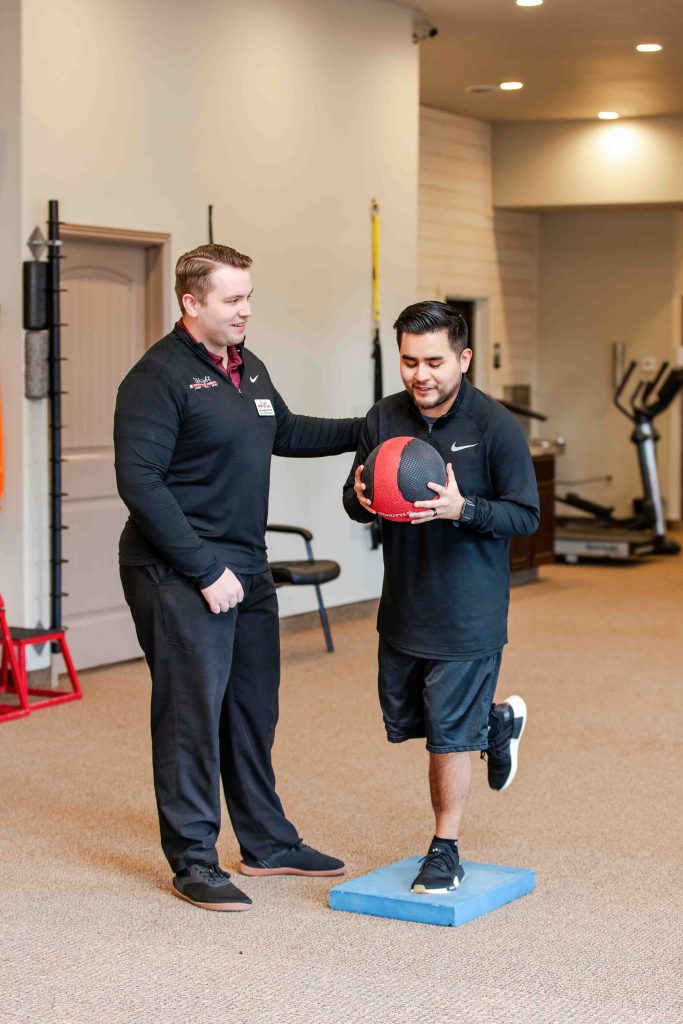
My name is Bryan Wright, and I specialize in high-skilled physical therapy treatments focusing on alleviating pain and enhancing joy in life. With experience in managing pelvic floor in males, I aim to help men regain control and improve their quality of life.
Next, let’s dive deeper into understanding the pelvic floor in males and why it’s essential for overall health.
Key terms for pelvic floor in males:
– male pelvic floor physical therapy
– pelvic floor dysfunction physical therapy
– pelvic floor therapy what to expect
Understanding the Pelvic Floor in Males
What are the Pelvic Floor Muscles?
The pelvic floor in males is a group of muscles that stretch like a hammock from the pubic bone at the front to the coccyx (tailbone) at the back. These muscles support the bladder, bowel, and prostate. They also wrap around the urethra and rectum, helping to control the release of urine and feces.

These muscles are crucial for:
- Bladder control: Ensuring you can start and stop urination.
- Bowel control: Helping you manage bowel movements and avoid accidents.
- Sexual health: Playing a key role in achieving and maintaining erections, as well as ejaculation.
Common Pelvic Floor Problems in Males
Pelvic floor problems can arise when these muscles become weak or too tight. Here are some common issues:
Weak Muscles:
– Stress Incontinence: Leaking urine when you cough, sneeze, or lift heavy objects.
– Urge Incontinence: A sudden, intense urge to urinate, followed by involuntary leakage.
– Bowel Control Issues: Difficulty controlling bowel movements, leading to accidents.
Hypertonic Muscles:
– Constipation: Difficulty or painful bowel movements.
– Painful Sex: Discomfort or pain during sexual activity.
– Pelvic Pain: Chronic pain in the pelvic area, often due to muscle tension.
Pelvic floor issues are more common than you might think. Factors like aging, surgery, obesity, and chronic coughing can weaken these muscles. Fortunately, targeted exercises, like Kegels, can help strengthen and improve the function of these muscles.
Next, we’ll explore the benefits of strengthening the pelvic floor and how to perform effective exercises.
Benefits of Strengthening the Pelvic Floor
How Pelvic Floor Exercises Help
Strengthening the pelvic floor in males can bring numerous benefits, from improved bladder control to improved sexual performance.
Improved Bladder Control:
Kegel exercises can help you gain better control over your bladder. By regularly practicing these exercises, you can reduce or even eliminate stress incontinence (leaking urine when you cough, sneeze, or lift something heavy) and urge incontinence (a sudden, intense need to urinate).
Improved Sexual Performance:
Strong pelvic floor muscles can improve sexual function. These muscles play a key role in achieving and maintaining erections, as well as ejaculation. Regular Kegel exercises can improve muscle tone and coordination, potentially leading to better sexual performance.
Reduced Incontinence:
Whether it’s urinary or fecal incontinence, strengthening your pelvic floor muscles can help. By improving the muscle tone around the urethra and anus, you can gain better control over these bodily functions.
Overall Health:
A strong pelvic floor contributes to your overall health. It supports your bladder and bowel, reduces the risk of accidental leaks, and can even alleviate chronic pelvic pain. Plus, these exercises are a non-invasive, drug-free way to improve your quality of life.
Identifying the Right Muscles
Before you can start strengthening your pelvic floor, you need to locate the correct muscles. Here are some simple methods to help you identify them:
Stop Urine Flow:
One way to find your pelvic floor muscles is to try stopping the flow of urine midstream. If you can do this, you’re using the right muscles. However, don’t make a habit of stopping your urine flow, as it can lead to bladder issues.
Tighten Anus Muscles:
Another method is to tighten the muscles around your anus, as if you’re trying to stop passing gas. This action engages your pelvic floor muscles.
Mirror Technique:
Stand in front of a mirror without clothes. Pull in your pelvic floor muscles strongly and hold them. You should see your penis draw in and your scrotum lift. This visual cue can help you ensure you’re working the correct muscles.
‘Lift and Squeeze’:
Think of lifting and squeezing your pelvic floor muscles, like you’re trying to lift something internally. This mental image can help you engage the right muscles effectively.
Once you’ve identified the right muscles, you can perform Kegel exercises to strengthen them. Tighten your pelvic floor muscles, hold for 5 seconds, then relax for 5 seconds. Repeat this cycle 10 times, aiming to complete 3 sets daily.
By incorporating these exercises into your daily routine, you can open up the full potential of your pelvic floor and enjoy the benefits of better bladder control, sexual performance, and overall health.

How to Perform Pelvic Floor Exercises
Step-by-Step Guide to Kegel Exercises
Performing Kegel exercises is straightforward once you know the right technique. Here’s a simple guide to help you get started:
- Find the Right Muscles:
- Stop Urine Flow: Try to stop the flow of urine midstream. If you can do this, you’re using your pelvic floor muscles. Don’t do this regularly to avoid bladder issues.
- Tighten Anus Muscles: Imagine you’re holding back gas. This engages your pelvic floor muscles.
-
Mirror Technique: Stand in front of a mirror and pull in your pelvic floor muscles. You should see your penis draw in and your scrotum lift.
-
Prepare:
- Empty Your Bladder: Make sure to urinate before starting.
-
Get Comfortable: Sit, stand, or lie down in a comfortable position.
-
Perform the Exercise:
- Tighten Muscles: Hold your pelvic floor muscles for 5 seconds. Think of lifting and squeezing your genitals.
- Relax: Slowly and completely relax your muscles for 5 seconds.
-
Repeat: Do this 10 times. Aim for 3 sets daily.
-
Breathe Properly:
-
Don’t Hold Your Breath: Count out loud if needed to ensure you’re breathing.
-
Increase Duration:
- Build Up: Start with 5 seconds, then gradually increase to 10 seconds as your muscles get stronger.
Tips for Effective Pelvic Floor Training
- Consistent Practice:
-
Daily Routine: Incorporate Kegel exercises into your daily routine. Consistency is key to seeing results.
-
Avoid Using Other Muscles:
-
Focus: Only engage your pelvic floor muscles. Avoid tightening your stomach, legs, or buttocks.
-
Biofeedback Training:
-
Professional Help: Consider biofeedback training if you’re unsure about your technique. It uses sensors to provide feedback on your muscle activity.
-
Seek Professional Help:
- Consult Experts: If you’re having trouble or experiencing pain, consult a healthcare provider or a pelvic health specialist.
By following this guide and incorporating these tips, you can effectively strengthen your pelvic floor muscles and reap the benefits of improved bladder control, sexual performance, and overall health.
Next, we’ll dig into the importance of maintaining pelvic floor health and the benefits of regular exercise.
Conclusion
Maintaining a healthy pelvic floor is crucial for overall well-being. Strong pelvic floor muscles improve bladder control, improve sexual performance, and reduce the risk of incontinence. Regular exercise, especially targeted pelvic floor exercises like Kegels, can make a significant difference.
Why is Pelvic Floor Health Important?
The pelvic floor supports vital organs like the bladder, rectum, and prostate. Weak muscles can lead to issues like urinary incontinence, erectile dysfunction, and bowel problems. On the other hand, hypertonic (too tight) muscles can cause pelvic pain and constipation.
Benefits of Regular Exercise
- Improved Bladder Control:
- Reduces episodes of stress and urge incontinence.
- Improved Sexual Performance:
- Better control over ejaculation and stronger erections.
- Reduced Incontinence:
- Helps in managing both urinary and bowel incontinence.
- Overall Health:
- Supports core stability and reduces lower back pain.
Why Wright Physical Therapy?
At Wright Physical Therapy, we specialize in pelvic floor health. Our team of experts is dedicated to helping you achieve the best results through personalized treatment plans. We use advanced techniques and tools like biofeedback to ensure you’re doing exercises correctly.
Seek Professional Advice
If you’re experiencing any symptoms related to pelvic floor dysfunction, don’t hesitate to seek help. Consulting with a healthcare provider or a specialized pelvic health physiotherapist can provide you with the right guidance and treatment.
Take Control of Your Health
Prioritizing your pelvic floor health can significantly improve your quality of life. Through consistent practice and professional support, you can regain control and enjoy a healthier, more active life.
For more information on how we can help, visit our Pelvic Floor Therapy page.