

Pelvic floor physical therapy is emerging as a crucial solution for those experiencing discomfort in the pelvic region. This specialized therapy targets the pelvic floor, which is the group of muscles supporting your urinary and reproductive tracts, playing a vital role in bladder and bowel control. Pelvic floor dysfunction occurs when these muscles become weak or unable to function correctly, leading to common symptoms such as pain, frequent urination, incontinence, constipation, and even sexual dysfunction in both men and women.
Understanding the basics of pelvic floor physical therapy can help you take the first step towards relief. This therapy involves:
- Evaluation: Assessing muscle strength and coordination.
- Treatment Plan: Developing personalized exercises and techniques.
- Symptom Management: Reducing pain and improving muscle function.
With early intervention, pelvic floor physical therapy can significantly improve quality of life, making daily activities and physical function less burdensome.
I’m Bryan Wright, and I’ve dedicated my career to alleviating suffering through high-skilled physical therapy. By understanding the nuances of pelvic floor physical therapy, I aim to bring clarity and effective solutions to those in need. Let’s move forward to explore how this therapy can be a transformative journey from pain to gain.
What is Pelvic Floor Physical Therapy?
Pelvic floor physical therapy is a specialized treatment aimed at addressing issues related to the pelvic floor muscles. These muscles play a crucial role in supporting the urinary and reproductive tracts and are essential for bladder and bowel control. Dysfunction in these muscles can lead to a variety of symptoms, such as pain, incontinence, and sexual dysfunction.
Techniques and Exercises
Pelvic floor physical therapy includes a range of techniques and exercises to help restore proper muscle function. Here are some common approaches:
-
Kegels: These exercises involve tightening and relaxing the pelvic floor muscles. They are essential for strengthening these muscles and improving muscle coordination. To perform a Kegel, imagine stopping the flow of urine midstream, hold the contraction for a few seconds, then release. Repeat this exercise several times a day.
-
Biofeedback: This technique uses electronic devices to help individuals become more aware of their pelvic floor muscles. By providing real-time feedback, biofeedback can help you learn how to control and strengthen these muscles effectively.
-
Electrical Stimulation: This involves using mild electrical currents to stimulate the pelvic floor muscles, helping them to contract and relax. It’s particularly useful for individuals who have difficulty performing Kegel exercises on their own.
-
Trigger Point Therapy: This hands-on technique involves applying pressure to specific points in the pelvic muscles to relieve pain and improve muscle function.
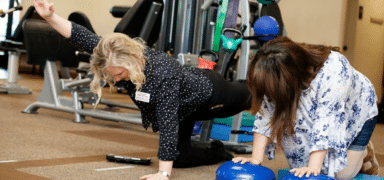
Benefits of Pelvic Floor Physical Therapy
Engaging in pelvic floor physical therapy can offer numerous benefits, significantly enhancing your quality of life:
-
Pain Relief: Many individuals experience reduced pain in the pelvic region, which can make daily activities more comfortable.
-
Bladder Control: Improved muscle strength and coordination can help manage symptoms of incontinence, leading to better bladder control.
-
Sexual Function: For many, pelvic floor therapy can alleviate pain during intercourse and improve sexual satisfaction by enhancing muscle awareness and strength.
-
Quality of Life: By addressing symptoms like frequent urination, constipation, and discomfort, pelvic floor therapy can make everyday activities more enjoyable and less stressful.
Overall, pelvic floor physical therapy is a powerful tool in managing and overcoming pelvic floor dysfunction, allowing individuals to regain control and improve their overall well-being.
With a personalized approach, this therapy can be custom to meet the unique needs of each individual, providing targeted relief and support.
When to Consider Pelvic Floor Physical Therapy
Pelvic floor physical therapy isn’t just for those with severe symptoms. It can be beneficial for anyone experiencing discomfort or issues related to their pelvic floor. But when exactly should you consider it?
Common Conditions Treated
Pelvic floor physical therapy is effective for a variety of conditions:
-
Incontinence: If you’re experiencing leaks when you laugh, sneeze, or exercise, pelvic floor therapy might help. It’s a common issue, and therapy can strengthen the muscles responsible for bladder control.
-
Pelvic Pain: Persistent pain in the pelvic region, whether during daily activities or intercourse, can be a signal that therapy is needed. This pain can arise from muscle tension or dysfunction.
-
Organ Prolapse: Sometimes, pelvic organs can shift from their usual position. This is known as prolapse and can cause discomfort or a feeling of heaviness. Therapy can support the muscles to help manage or reduce prolapse.
-
Sexual Dysfunction: Issues such as pain during intercourse or reduced sexual satisfaction may be linked to pelvic floor dysfunction. Therapy can help improve muscle function and alleviate these problems.

Self-Care and Home Exercises
While professional therapy is crucial for many, there are self-care strategies and exercises you can do at home to support your pelvic health:
-
Diaphragmatic Breathing: This technique involves deep, abdominal breathing, which can help relax and coordinate the pelvic floor muscles. It’s a simple practice that can be done anywhere.
-
Kegels: As mentioned earlier, Kegels are a fundamental exercise for strengthening the pelvic floor. They’re easy to incorporate into your daily routine and can be done discreetly.
-
Biofeedback Technology: Some devices can provide feedback on your pelvic floor exercises, helping you ensure you’re doing them correctly. This technology can be a valuable tool for home practice.
While these exercises can be beneficial, they are not a substitute for professional therapy if you’re experiencing significant symptoms. A pelvic floor physical therapist can tailor a treatment plan to your specific needs, ensuring you get the best possible outcomes.
By combining self-care with professional guidance, you can take proactive steps toward managing your pelvic health effectively.
Conclusion
At Wright Physical Therapy, we believe in treating pain at its source with a focus on personalized care and community impact. Our approach to pelvic floor physical therapy ensures that each patient receives care custom to their specific needs.
Personalized Care
Every patient is unique, and so is their treatment plan. Our therapists take the time to understand your specific symptoms and goals. We create a plan that addresses your needs effectively and efficiently. Whether you’re dealing with incontinence, pelvic pain, or any other pelvic floor issue, our team is committed to helping you find relief and improve your quality of life.
Community Impact
Our commitment extends beyond the clinic. We actively participate in local events and support charitable initiatives to give back to the community that supports us. This dual focus on health and community enriches our practice and strengthens our bonds with the people we serve.
By choosing Wright Physical Therapy, you’re not just receiving top-notch care—you’re joining a community dedicated to health and well-being. We invite you to experience our compassionate and competent approach to recovery.
Together, let’s move towards a healthier future.