
Introduction
Looking for pelvic floor physical therapy near me? Finding a local expert in pelvic floor health can significantly improve your quality of life, whether you’re dealing with chronic pain, incontinence, or postpartum recovery. Here’s a quick rundown to get you started right away:
- Incontinence treatment: 80% of people see improvement or a cure.
- Pelvic pain relief: Effective for more than 50% who experience activity limitations due to pain.
- Postpartum recovery: Especially helpful for 75% of pregnant women who experience back pain.
Pelvic floor physical therapy targets the very muscles that support your bladder, uterus, and rectum. Weak or dysfunctional pelvic muscles can lead to a variety of issues, from urinary incontinence to pelvic pain. Yet, these problems are highly treatable with targeted exercises and techniques.
Why is this important?
A strong pelvic floor is essential for overall health. It aids bladder and bowel control, supports proper organ function, and even impacts sexual health. Physical therapists trained in pelvic health can offer personalized treatment plans to help you regain strength and functionality.
What is Pelvic Floor Physical Therapy?
Pelvic floor physical therapy focuses on the muscles, ligaments, and connective tissues that support the pelvic organs, including the bladder, uterus, and rectum. These muscles are crucial for several essential functions:
- Stabilizing the Pelvis: They provide stability to the pelvis during whole-body movements.
- Supporting Pelvic Organs: They help to support the bladder, uterus, and rectum.
- Controlling Urinary and Fecal Continence: They close the urethra, vaginal, and anal openings.
- Sexual Function: They play a role in sexual function and response.
- Blood and Lymphatic Flow: They assist with blood and lymphatic circulation.
- Posture and Breathing: They influence posture and breathing patterns.
Disorders Treated with Pelvic Floor Physical Therapy
Pelvic floor dysfunction can lead to a range of issues. Here are some common conditions that can be treated with pelvic floor physical therapy near me:
- Incontinence: This includes urinary and fecal incontinence, where there is involuntary leakage.
- Pelvic Pain: Conditions like pelvic floor tension myalgia and prostatitis.
- Sexual Dysfunction: Painful intercourse, erectile dysfunction, and other related issues.
- Pelvic Organ Prolapse: When pelvic organs drop due to weakened muscles.
- Pregnancy and Post-Partum Issues: Pain or weakness in the core, pelvis, or lower back, and conditions like diastasis recti (separation of abdominal muscles).
- Constipation: Difficulty with bowel movements due to pelvic floor dysfunction.
Case Study:
Michelle, a patient at LMH Health Therapy Services, shared her experience:
“After three children in six years, nothing was quite the same. I was nervous to talk about it, but Michelle listened without judgment. The exercises and movements she recommended have greatly improved my physical well-being and confidence.”
Techniques Used in Pelvic Floor Physical Therapy
Pelvic floor physical therapists use various techniques to address these disorders:
- Exercises: Tailored exercises to strengthen pelvic floor muscles.
- Manual Therapy: Hands-on techniques to manipulate muscles and tissues.
- Biofeedback: Electronic devices to help patients gain awareness and control over their pelvic muscles.
- Electrical Stimulation: To stimulate and strengthen pelvic floor muscles.
These methods aim to improve muscle tone, coordination, and control, ultimately enhancing your quality of life.

Understanding the importance and functions of the pelvic floor can help you take the first step toward better health. If you’re experiencing any symptoms or issues, consulting a pelvic floor physical therapist can provide you with a personalized treatment plan to address and manage your condition effectively.
Common Conditions Treated with Pelvic Floor Physical Therapy
Pelvic floor physical therapy can address a wide range of conditions, helping both men and women find relief and improve their quality of life. Here are some common conditions treated with this specialized therapy:
Incontinence
Urinary Incontinence: Many people experience involuntary leakage of urine. According to the International Continence Society, 80% of people with urinary incontinence can be greatly improved or cured with conservative treatment like physical therapy. Weak pelvic floor muscles often cause this issue, and targeted exercises can help strengthen these muscles.
Fecal Incontinence: This involves the involuntary leakage of stool. Similar to urinary incontinence, it can be managed by strengthening the pelvic floor muscles and improving muscle coordination.
Pelvic Pain
Chronic Pelvic Pain: Over 50% of women with pelvic pain limit their daily activities due to discomfort, and 90% report pain during intercourse. Men can also experience pelvic pain. This pain is often related to muscle or joint restrictions, scar tissue, or tension in the pelvic region. Physical therapists use manual therapy, relaxation techniques, and stress management to treat these dysfunctions.
Pregnancy-Related Pelvic Pain: Research shows that 75% of pregnant women experience back pain, which can extend to the pelvic region. Physical therapists are trained to address these issues, providing relief through specialized exercises and manual therapy.
Sexual Dysfunction
Erectile Dysfunction in Men: Weak pelvic floor muscles can lead to difficulties in achieving or maintaining an erection. Pelvic floor exercises can improve muscle strength and control, enhancing sexual performance.
Painful Intercourse in Women: Many women experience pain during intercourse due to pelvic floor dysfunction. Physical therapy can help by teaching relaxation techniques and strengthening the pelvic muscles.
Pelvic Organ Prolapse
Pelvic organ prolapse occurs when the pelvic organs, such as the bladder, uterus, or rectum, drop from their normal position. This can cause discomfort and other symptoms like incontinence. Pelvic floor physical therapy can help by strengthening the muscles that support these organs, reducing symptoms and improving quality of life.
If you’re experiencing any of these conditions, pelvic floor physical therapy near me could be the solution you need. Consulting a specialized therapist can provide you with a personalized treatment plan tailored to your specific needs.
Techniques Used in Pelvic Floor Physical Therapy
Pelvic floor physical therapy uses several techniques to help manage and alleviate symptoms. Here are some of the most common methods:
Exercises
Kegel Exercises: These are the most well-known exercises for strengthening the pelvic floor muscles. They involve tightening and relaxing these muscles, similar to stopping the flow of urine midstream. Kegels are simple but effective when done correctly and consistently.
Bridge Exercise: Lie on your back with your knees bent and feet flat on the floor. Lift your buttocks off the ground while engaging your abdominal muscles. Hold for a few seconds and then lower back down. This targets not just the pelvic floor but also the core and glutes.
Deep Squats: Stand with your feet shoulder-width apart and lower your body into a squat position. This exercise not only strengthens the pelvic floor but also improves hip flexibility.
Manual Therapy
Manual therapy involves hands-on techniques to relieve muscle tension and improve mobility. Physical therapists use their hands to massage and stretch the muscles in the pelvic area. This can help reduce pain and improve muscle function.
Scar Tissue Management: Scar tissue from surgeries or injuries can cause pain and limit movement. Therapists use specific techniques to break down this tissue and improve flexibility.
Biofeedback
Biofeedback is a technique that uses electronic devices to provide real-time information about muscle activity. Sensors are placed on the body to monitor how well you are performing exercises like Kegels.
Visual Feedback: A computer screen displays your muscle activity, helping you understand how to improve your technique.
Auditory Feedback: Sounds indicate whether you are contracting and relaxing the muscles correctly.
This method helps you gain better control over your pelvic floor muscles, making your exercises more effective.
Electrical Stimulation
Electrical stimulation uses small electrical currents to activate the pelvic floor muscles. This can be especially helpful for those who have difficulty performing exercises on their own.
Muscle Activation: Electrodes are placed on the skin or inserted into the vagina or rectum to deliver the electrical currents. This helps in strengthening weak muscles and improving coordination.
Pain Relief: Electrical stimulation can also help reduce pain by blocking pain signals to the brain.
These techniques, when used together, offer a comprehensive approach to treating pelvic floor dysfunction. If you’re considering pelvic floor physical therapy near me, these methods can provide effective, personalized treatment for your specific needs.
Next, we’ll discuss how to choose the right pelvic floor physical therapist.
Benefits of Pelvic Floor Physical Therapy Near Me
Improved Control
Pelvic floor physical therapy can make a big difference in your daily life. According to the International Continence Society, 80% of people with urinary incontinence see major improvements or are even cured with conservative treatments like physical therapy. This means fewer trips to the bathroom, less worry about accidents, and more confidence in social settings.
Alleviation of Symptoms
Pelvic pain can be a huge burden. More than 50% of women with pelvic pain limit their daily activities, and 90% report pain during intercourse. Men also suffer from pelvic pain, often due to muscle tension or scar tissue. Physical therapists can use manual treatments and teach you relaxation techniques to reduce this pain. For instance, Michelle, a patient, shared how her therapist listened and created a personalized plan that significantly reduced her chronic nerve pain and other issues.
Enhanced Sexual Function
Weak pelvic floor muscles can lead to sexual dysfunction in both men and women. For women, this might mean pain during intercourse. For men, it could mean erectile dysfunction. Strengthening these muscles through targeted exercises can improve sexual health and confidence. Michelle’s story highlights how personalized care can lead to better outcomes, including improved sexual function.
These benefits show how pelvic floor physical therapy near me can improve your quality of life. Next, we’ll discuss how to choose the right pelvic floor physical therapist.
Choosing the Right Pelvic Floor Physical Therapist
When it comes to pelvic floor physical therapy, selecting the right therapist is crucial for effective treatment. Here are key factors to consider:
Certification
Check for ABPTRFE Accreditation: Make sure your therapist graduated from a program accredited by the American Board of Physical Therapy Residency and Fellowship Education (ABPTRFE). This guarantees they received top-notch education and training.
Look for ABPTS Certification: Therapists certified by the American Board of Physical Therapy Specialties (ABPTS) have specialized knowledge and skills. This certification is a strong indicator of their expertise in pelvic health.
Prefer a DPT Degree: Therapists with a Doctor of Physical Therapy (DPT) degree have undergone rigorous training. This advanced degree prepares them to provide high-quality care tailored to your needs.
Specialization
Pelvic health is a specialized field. Here are some areas of focus to look for:
-
Women’s Health: Therapists specializing in women’s health can address issues like incontinence, pelvic pain, and postpartum recovery. According to research, 75% of pregnant women experience back pain, which can be effectively treated by a specialized therapist.
-
Men’s Health: Male pelvic health issues such as erectile dysfunction and urinary incontinence require specialized care. A therapist with experience in male pelvic health can provide targeted treatment.
-
Chronic Conditions: If you have chronic conditions like fibromyalgia or interstitial cystitis, look for a therapist experienced in managing these disorders. Michelle’s story demonstrates the importance of finding a therapist who listens and tailors the treatment to your unique needs.
Patient Reviews
Read Testimonials: Patient reviews can provide valuable insights into a therapist’s competence and bedside manner. For instance, Michelle’s testimonial highlights the positive impact of personalized care on her physical well-being and confidence.
Check Online Directories: Use resources like the PT Locator™ to find therapists who have opted to be listed. This ensures they are committed to providing high-quality care.
Ask for Recommendations: Don’t hesitate to ask your primary care physician or neurologist for a referral. They often know reputable therapists who specialize in pelvic health.
By considering certification, specialization, and patient reviews, you can find a pelvic floor physical therapist who meets your specific needs and offers the best chance for a successful recovery.
Next, we’ll address some frequently asked questions about pelvic floor physical therapy.
Frequently Asked Questions about Pelvic Floor Physical Therapy
What do they do during pelvic floor physical therapy?
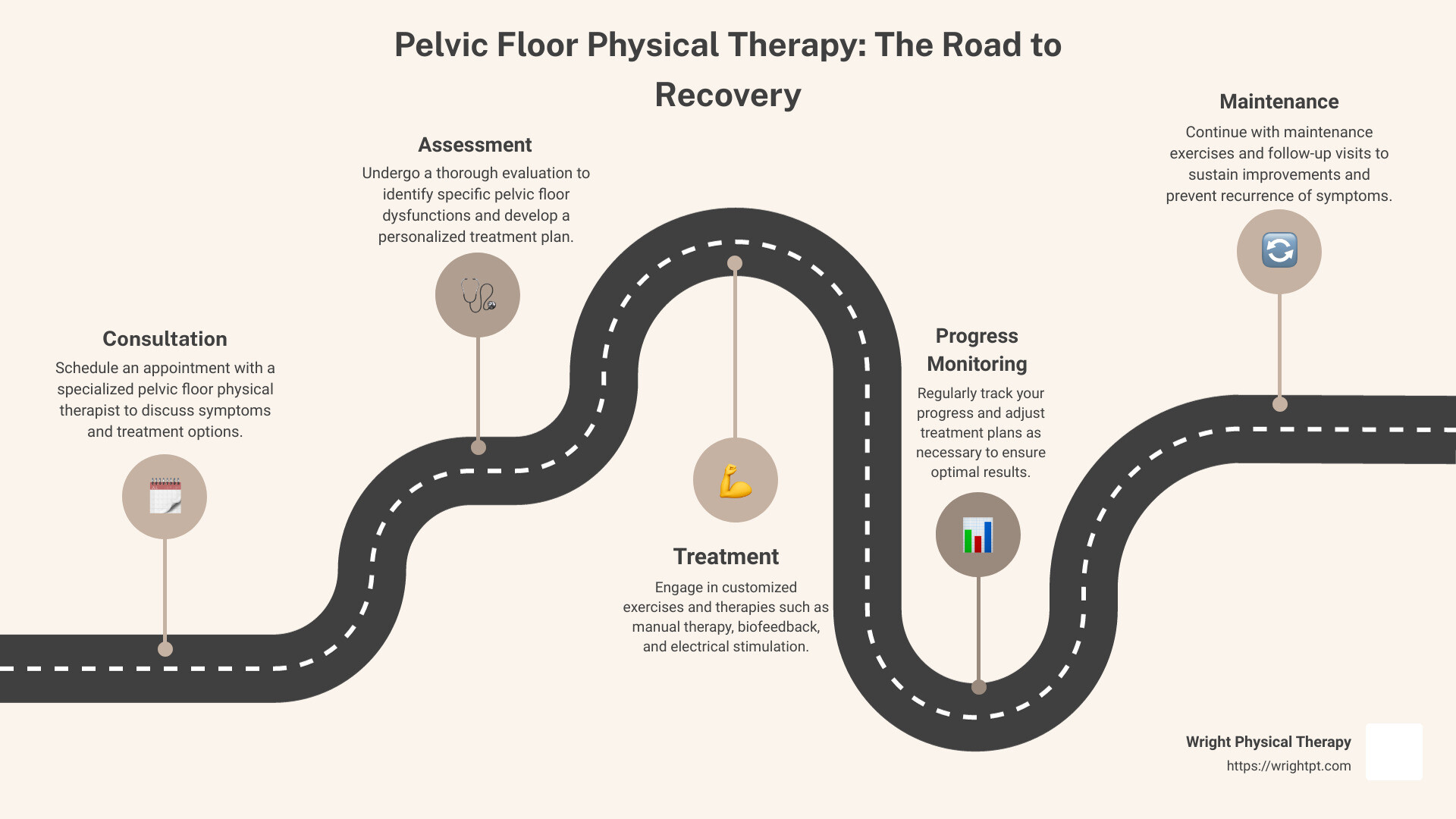
Pelvic floor physical therapy involves a range of techniques to help improve the function of your pelvic muscles. Here’s a quick breakdown:
- Assessment: The therapist will start by assessing your pelvic floor muscles. This might include a physical exam and questions about your symptoms.
- Exercises: You’ll learn specific exercises, like Kegels, to strengthen your pelvic muscles. These exercises can improve bladder control and reduce pain.
- Manual Therapy: This involves hands-on techniques to massage and stretch muscles and tissues in the pelvic area.
- Biofeedback: Sensors are used to monitor muscle activity, helping you understand how to control your pelvic muscles better.
- Electrical Stimulation: Low-level electrical currents may be used to stimulate and strengthen your pelvic floor muscles.
Is pelvic floor physical therapy worth it?
Yes, pelvic floor physical therapy can be very effective. Here are some reasons why it’s worth considering:
- High Success Rate: According to the International Continence Society, 80% of people with urinary incontinence see significant improvement with conservative treatments, including physical therapy.
- Improved Quality of Life: Many patients report reduced pain, better bladder control, and enhanced sexual function.
- Personalized Care: Therapists like Michelle at Wright Physical Therapy listen and provide tailored treatments that consider your unique needs.
How long does pelvic floor physical therapy last?
The duration of pelvic floor physical therapy varies based on your specific condition and goals. Here’s a general idea:
- Frequency: Initially, you might see your therapist once a week. As you progress, visits may become less frequent.
- Duration: For pain-related issues, expect about 8 to 12 visits. For muscle weakness or coordination problems, it might take 6 to 8 visits.
- Home Exercises: You’ll likely be given exercises to do at home daily, for about 15 minutes each day.
The goal is to reach a point where you can manage your condition independently.
Next, we’ll conclude with how Wright Physical Therapy is making an impact in the community and educating patients.
Conclusion
Wright Physical Therapy: Commitment to Excellence
At Wright Physical Therapy, we are dedicated to providing exceptional care that goes beyond just treating symptoms. Our therapists are highly skilled and continuously update their training to ensure you receive the most effective treatments available. Whether you’re dealing with incontinence, pelvic pain, or postpartum issues, we tailor our therapies to meet your specific needs.
Community Impact: More Than Just Physical Therapy
Our commitment to the community extends beyond our clinic walls. We actively participate in local events and support charitable initiatives. Each referral we receive not only reflects our service quality but also contributes to our broader social mission. We donate a portion of our revenue to organizations dedicated to protecting and empowering children. This dual focus on health and community enriches our practice and strengthens our bonds within the communities we serve.
Patient Education: Empowering Our Clients
Empowerment through education is a cornerstone of our practice. We ensure every patient understands their treatment plan and the reasons behind each specific therapy or exercise. This knowledge helps alleviate symptoms and equips you with the tools to manage your health and prevent future issues.
Our health blog is a great resource for current and prospective patients, offering valuable insights and tips to maintain optimal health. Subscribe today to stay informed!
By choosing Wright Physical Therapy, you benefit from a holistic approach that combines effective treatment with education and community support. We invite you to join our family and experience a path to recovery that is compassionate, comprehensive, and deeply connected to the community.
For more information on our services and how we can help you achieve your health goals, please visit our Pelvic Floor Therapy page.
Together, let’s move towards a healthier future.