
Introduction
Pelvic floor therapy during pregnancy is an essential practice for expectant mothers. It helps strengthen the muscles that support the uterus, bladder, and bowels, improving comfort and overall well-being during pregnancy.
Why it matters:
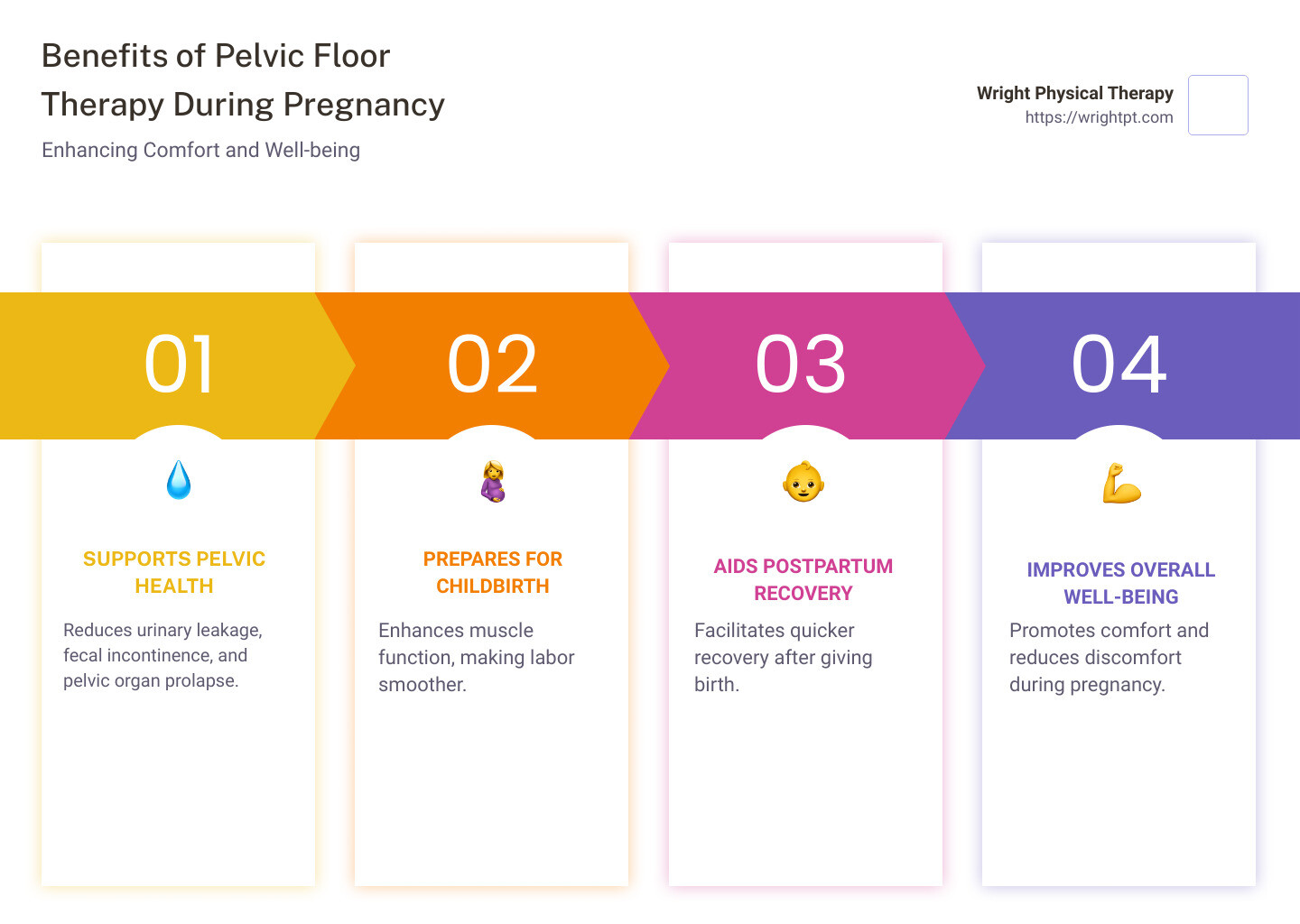
- Supports Pelvic Health: Reduces urinary leakage, fecal incontinence, and pelvic organ prolapse.
- Prepares for Childbirth: Enhances muscle function, making labor smoother.
- Aids Postpartum Recovery: Facilitates quicker recovery after giving birth.
As pregnancy progresses, women experience significant changes, including in their pelvic floor muscles. These changes are due to increased pressure, hormonal shifts, and the stretching of ligaments and muscles to accommodate the growing baby. Addressing these issues early with pelvic floor therapy can prevent discomfort and long-term pelvic health problems.
Pelvic floor therapy involves exercises, biofeedback, and manual techniques aimed at strengthening and relaxing these muscles. It’s a safe, non-invasive method tailored to each stage of pregnancy.
By incorporating pelvic floor therapy, expectant mothers can better manage common symptoms like pelvic pain and maintain a healthy pelvic floor for a more comfortable pregnancy and postpartum recovery.
Understanding Pelvic Floor Therapy During Pregnancy
Pelvic floor therapy during pregnancy is essential for maintaining a healthy pelvic floor. To understand why, let’s break down the components involved and the changes they undergo during pregnancy.
Pelvic Floor Muscles
The pelvic floor is a group of muscles and connective tissues that stretch from the pubic bone to the tailbone. These muscles support the bladder, uterus, and rectum. They help with bladder and bowel control and play a significant role in sexual function.
During pregnancy, these muscles bear extra weight from the growing baby. This added pressure can weaken them, leading to issues like urinary incontinence and pelvic organ prolapse.
Hormonal Changes
Pregnancy brings a surge of hormones, including estrogen and progesterone. These hormones prepare the body for childbirth but also affect the pelvic floor.
Relaxin
One key hormone is relaxin. It loosens the ligaments in the pelvis to make room for the baby. While this is necessary for childbirth, it can also make the pelvic floor muscles more pliable and weaker, increasing the risk of pelvic floor dysfunction.
Pressure Changes
As the baby grows, the uterus expands and adds pressure on the pelvic floor. This pressure can stretch and weaken the pelvic floor muscles, making them less effective at supporting the pelvic organs.
Pelvic pain is common during pregnancy, affecting up to 20% of pregnant women. This pain often results from the increased pressure and hormonal changes that affect the pelvic floor muscles.
Why Pelvic Floor Therapy?
Pelvic floor therapy helps counteract these changes by strengthening the pelvic floor muscles. It involves exercises, biofeedback, and manual techniques tailored to each stage of pregnancy.
By incorporating pelvic floor therapy, expectant mothers can better manage common symptoms like pelvic pain and maintain a healthy pelvic floor for a more comfortable pregnancy and postpartum recovery.
In the next section, we will discuss the specific benefits of pelvic floor therapy during pregnancy.
Benefits of Pelvic Floor Therapy During Pregnancy
Strengthening Muscles
Pregnancy places significant pressure on the pelvic floor muscles, which can lead to issues like incontinence and pelvic pain. Pelvic floor therapy focuses on strengthening these muscles through targeted exercises. These exercises help maintain pelvic muscle strength, leading to improved bladder control and reduced discomfort.
Example Exercise: Kegels are a foundational exercise for strengthening pelvic floor muscles. To perform a Kegel, simply contract the muscles you use to stop urinating, hold for a few seconds, and then release. Aim for two to three sets of 10-15 repetitions.
Alleviating Pain
Many pregnant women experience discomfort or pain in the lower back, pelvis, or hips as their pregnancy progresses. Pelvic floor therapy includes exercises and stretches that can provide relief by promoting better alignment and muscle balance.
Fact: Over two-thirds of women will experience some degree of back pain during pregnancy.
Preparing for Childbirth
Childbirth is one of the most physically demanding experiences a woman can go through. Pelvic floor therapy equips expecting mothers with essential tools to prepare for labor and delivery. Through various exercises and techniques, these therapies can help improve the pelvic floor’s flexibility and endurance, making it easier to push during childbirth.
Quote: “Pelvic floor muscles typically don’t weaken during pregnancy,” says Hannah Ferrigan, a physical therapist. “They get a little bit stretched, but if they were weak or tight before, pregnancy can make those issues noticeable.”
Enhanced Well-being
The physical changes during pregnancy can sometimes lead to emotional stress and anxiety. Pelvic floor therapy can help alleviate these feelings by promoting a sense of control and well-being. Feeling more in tune with your body and its changes can have a positive impact on your overall mental health.
Stat: A study published in Obstetrics and Gynecology found that pelvic floor disorders affect a significant number of U.S. women, highlighting the importance of maintaining pelvic health.
In the next section, we will explore common pelvic floor issues during pregnancy.
Common Pelvic Floor Issues During Pregnancy
During pregnancy, your body undergoes significant changes that can impact your pelvic floor. Here are some common issues you might encounter:
Incontinence
Urinary incontinence is a frequent concern for many pregnant women. As the baby grows, it puts pressure on the bladder, which can lead to unintentional leakage of urine, especially when you sneeze, cough, or laugh. This is due to the stretching and shifting of pelvic floor muscles.
Stat: Nearly 50% of pregnant women experience some form of urinary incontinence.
Pelvic Pain
Pelvic pain affects up to 20% of pregnant women. This pain often stems from the increased pressure and weight on the pelvic floor muscles and ligaments. Hormonal changes, particularly the release of relaxin, cause these ligaments to loosen, which can lead to discomfort.
Quote: “Pregnancy-related pelvic girdle pain (PGP) and symphysis pubis dysfunction (SPD) can occur because of the widening of the pelvic bones,” says Lindsey Karamihalis, a pelvic floor physical therapist.
Constipation
Constipation is another common issue during pregnancy. The hormonal changes can slow down your digestive system, and the growing uterus can put pressure on the intestines, making bowel movements difficult. Weak or overly tight pelvic floor muscles can also contribute to constipation.
Pelvic Organ Prolapse
Pelvic organ prolapse (POP) occurs when the pelvic organs, such as the bladder or uterus, descend or protrude into the vaginal canal. This can happen due to the increased pressure from the growing baby and the stretching of the pelvic floor muscles.
Symptom: Feelings of pressure or heaviness in the pelvic region are often the first signs of POP.
Understanding these common pelvic floor issues can help you take proactive steps to manage and mitigate them. In the next section, we will discuss how to perform pelvic floor exercises during pregnancy.
How to Perform Pelvic Floor Exercises During Pregnancy
Proper Techniques for Kegels
Kegels are a cornerstone of pelvic floor therapy during pregnancy. These exercises help strengthen the muscles that control urine flow and support pelvic organs.
- Identify the Muscles: Imagine you are trying to stop the flow of urine midstream. The muscles you engage are your pelvic floor muscles.
- Engage and Hold: Tighten these muscles for 5 seconds. Then, relax for 5 seconds.
- Repetitions: Aim for 10-15 repetitions per set. Try to complete 3 sets a day.
Tips for Success:
- Consistency: Make Kegels part of your daily routine.
- No Overdoing: Avoid doing Kegels while urinating, as this can lead to incomplete emptying of the bladder.
- Breathing: Don’t hold your breath. Breathe normally as you perform the exercise.
Incorporating Core and Hip Strengthening
Strengthening your core and hips is essential for overall pelvic floor health. These exercises help stabilize your body and support your growing baby.
Exercise Examples:
- Bridge Exercise:
- Position: Lie on your back with knees bent and feet flat on the floor.
- Action: Lift your hips toward the ceiling while tightening your pelvic floor and core muscles.
- Repetitions: Hold for a few seconds and lower. Repeat 10 times.
- Bird-Dog:
- Position: Start on your hands and knees.
- Action: Extend your right arm and left leg simultaneously, keeping your core engaged.
- Repetitions: Alternate sides, 10 repetitions each.
Safe Practices:
- Avoid Straining: If you feel pain or discomfort, stop and modify the exercise.
- Equipment: Use a yoga mat for comfort and stability.
Relaxation and Stretching Exercises
Relaxation and stretching exercises are just as important as strengthening. They help relieve tension and prepare your body for childbirth.
Cat-Camel Stretch:
- Position: On your hands and knees.
- Action: Arch your back (like a cat) and then dip it down (like a camel).
- Repetitions: Perform 10-15 times, focusing on gentle movements.
Perineal Massage:
Perineal massage can help prepare the perineum for childbirth, potentially reducing the risk of tearing.
- When to Start: Begin in the third trimester.
- How to Perform: Use a natural oil and gently massage the perineum for 5-10 minutes daily.
Positioning Tips:
- Sleep: Use pillows to support your back and hips.
- Labor: Practice positions that open the hips, such as squatting or being on hands and knees.
These exercises and techniques can make a significant difference in your pelvic floor health during pregnancy. Next, we’ll address some frequently asked questions about pelvic floor therapy during pregnancy.
Frequently Asked Questions about Pelvic Floor Therapy During Pregnancy
When should you start pelvic floor exercises in pregnancy?
Ideally, you should start pelvic floor exercises as soon as you find out you’re pregnant. Early engagement helps strengthen the muscles, supports the growing uterus, and reduces the risk of incontinence.
Hannah Ferrigan, a physical therapist, emphasizes that “it’s best to include your pelvic floor muscles as part of a regular exercise routine, whether you’re pregnant or not.”
Key Points:
– Start Early: Begin exercises as soon as you know you’re pregnant.
– Consistency: Aim for 20-30 minutes of pelvic floor exercises, 3-4 times per week.
– Routine Integration: Incorporate these exercises into your regular fitness routine.
What does a weak pelvic floor feel like during pregnancy?
A weak pelvic floor can manifest in several uncomfortable symptoms. You might experience urinary leakage, especially when coughing or sneezing. Pelvic pain and a feeling of heaviness in the vaginal area are also common.
Hinge Health points out that “many symptoms during pregnancy can point to a pelvic floor disorder, including leaking pee, urinary urgency, and pelvic pain.”
Signs of a Weak Pelvic Floor:
– Urinary Incontinence: Leakage during activities like coughing or exercising.
– Pelvic Pain: Persistent discomfort in the pelvic region.
– Heaviness: A feeling of pressure or bulging in the vagina.
Can you use a pelvic floor trainer while pregnant?
Yes, you can use a pelvic floor trainer during pregnancy, but consult with your healthcare provider first. These devices can help you better understand and engage your pelvic floor muscles, making your exercises more effective.
Heather Jeffcoat, D.P.T., explains that “using a pelvic floor muscle strength measurement device, such as a biofeedback tool, can help you assess the strength and coordination of your pelvic floor muscles.”
Guidelines for Using a Pelvic Floor Trainer:
– Consultation: Always check with your healthcare provider before starting.
– Proper Use: Follow instructions carefully to avoid overexertion.
– Monitoring: Use the device to track progress and ensure correct muscle engagement.
By addressing these common questions, you can better navigate pelvic floor therapy during pregnancy. Up next, we’ll discuss the long-term benefits and how Wright Physical Therapy can support you through postpartum recovery.
Conclusion
Pelvic floor therapy during pregnancy provides numerous long-term benefits that extend well beyond childbirth. By strengthening these crucial muscles, you can improve bladder control, reduce discomfort, and enhance your overall well-being. This proactive approach not only prepares you for a smoother labor and delivery but also aids in quicker postpartum recovery.
At Wright Physical Therapy, we understand the unique challenges that come with pregnancy and motherhood. Our specialized pelvic floor therapy programs are designed to cater to your individual needs, ensuring you receive the best care possible. From prenatal assessments to postpartum rehabilitation, we offer comprehensive support to help you regain strength and confidence.
Postpartum Recovery:
The journey doesn’t end with childbirth. The postpartum period is equally critical for your pelvic health. Our therapists will guide you through tailored exercises and techniques to rebuild your pelvic floor muscles, improve stability, and prevent issues like incontinence or pelvic organ prolapse.
Every woman’s body is different, and healing rates can vary. Our team at Wright Physical Therapy is here to provide personalized care and support every step of the way.
For more information on how we can assist you, visit our Pelvic Floor Therapy page. Let’s work together to ensure a healthy and happy pregnancy journey.