
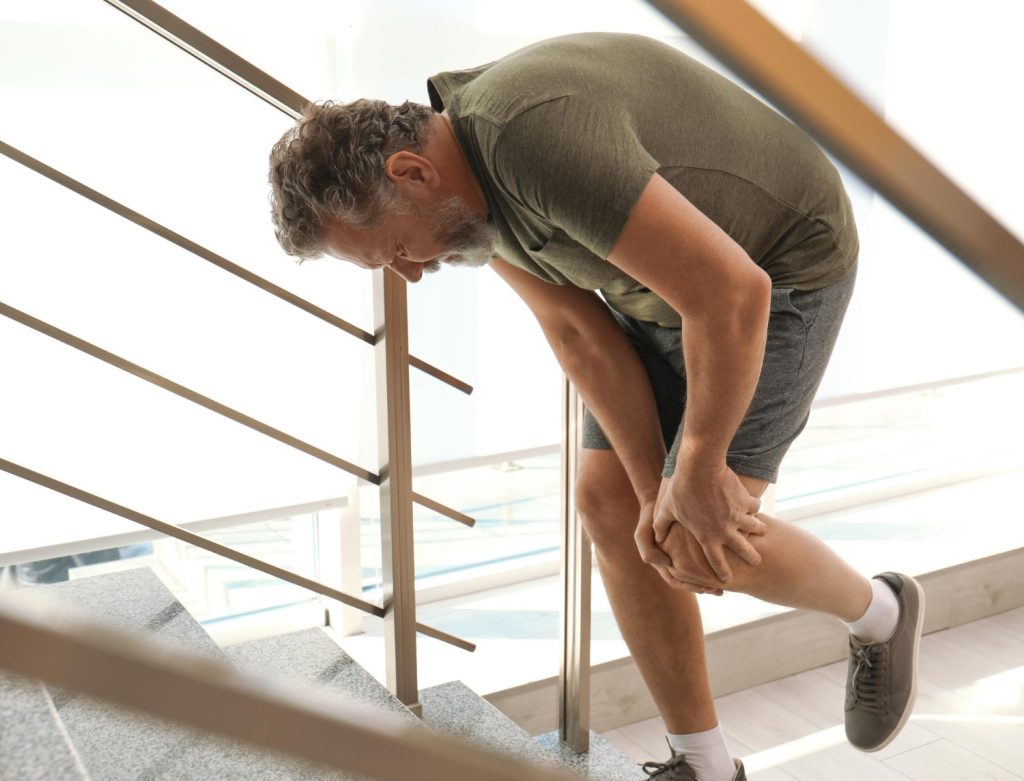
Knee pain can sneak into daily life in all sorts of ways, but one place where it becomes especially noticeable is on the stairs. Whether it’s walking up to your office, climbing steps at home, or moving around a stadium, stairs can feel like an obstacle when your knees aren’t cooperating. For many adults between 30 and 60, this discomfort is a daily concern that slows things down and makes routine activities feel harder than they should.
The good news is that there are workable ways to reduce that pain. By learning some basic strategies and being more aware of how your body moves, you can take control of the discomfort and improve how your knees feel throughout the day. Below are some of the most useful steps to help reduce knee pain while climbing stairs, starting with understanding where that pain may be coming from in the first place.
Understand the Causes of Knee Pain
Before trying to fix the problem, it’s helpful to understand what’s behind it. Stair climbing puts a unique kind of pressure on the knees. Going up or down stresses different knee structures compared to walking on flat ground. If there’s an issue hiding below the surface, stairs are often the first place you’ll feel it.
Some common causes of knee pain during stair use include:
– Arthritis: This can wear down the cartilage in the knee joint, making movement painful and less smooth.
– Poor knee alignment: If your joints are not lined up well, even normal activities can put extra strain on your knees.
– Weak muscles: If the muscles surrounding your knees are underdeveloped or unbalanced, your knees may end up doing more work than they should.
These problems tend to chip away at daily comfort over time. For example, a person might have no issues walking through a store but feel a sharp ache in one knee when stepping onto the first stair. That change in angle and pressure is enough to expose joint problems that flat surfaces don’t trigger.
Recognizing when your knee pain happens, such as going up stairs versus coming down, or only when carrying weight, can offer clues about the root cause. And once you’ve got an idea of what’s happening under the surface, managing the discomfort becomes much more doable.
Proper Techniques for Stair Climbing
The way you move plays a big role in how your knees feel. Many people climb stairs out of habit without thinking about body position or how weight is being placed. Small fixes in your movement can help take the load off your joints and keep pain at bay.
Try these simple adjustments next time you’re heading up or down a staircase:
1. Use the whole foot: Instead of relying on your toes to push off, place your entire foot on each step. This spreads your body weight more evenly and reduces strain on the front of the knee.
2. Lean forward slightly: Keeping your chest slightly ahead of your knees while climbing helps center your weight. This shortens the lever between your body and your knees, easing the pressure.
3. Hold onto a handrail: There’s no prize for doing it all hands-free. Use the rail for balance and to shift some pressure away from your legs.
4. Take it slow: Give your muscles and joints time to adjust with each step rather than rushing up the stairs or skipping steps.
5. Switch your lead leg: If one knee bothers you more than the other, it’s common to favor the stronger side. Try alternating legs to keep muscles balanced and avoid overloading one knee.
These small tweaks don’t take much effort but can make a noticeable difference. Over time, good stair habits can support healthier knees and make climbing feel a lot less painful.
Strengthening Exercises
Building strength around the knee is a great way to reduce pain, especially when climbing stairs. Strengthening the muscles that support your knee can improve your stability and relieve some of the stress on your joint. Think of it as giving your knees a much-needed boost to handle the daily grind more efficiently.
Here are a few easy exercises to start with:
1. Squats: Stand with your feet shoulder-width apart and gently lower your hips as if you’re sitting back into a chair. Keep your back straight and your knees aligned with your toes. Do this slowly and try to go as low as you can comfortably handle, then rise back up.
2. Lunges: Step forward with one leg and lower your hips until both knees are bent at about a 90-degree angle. Make sure your front knee is directly above your ankle, not pushed out too far.
3. Leg lifts: Lie flat on your back with one leg flat and the other bent. Slowly lift the straight leg up to a 45-degree angle, hold for a moment, and then lower it.
These exercises don’t require special equipment and can be easily incorporated into your regular routine. Make sure to keep your movements slow and controlled to prevent injury. Over time, as your muscles get stronger, you’ll likely notice less discomfort when you’re climbing stairs.
When to Seek Professional Help
Sometimes, self-care just isn’t enough. If your knee pain persists, it’s smart to reach out for expert help. Knowing when to seek professional advice is key to preventing long-term damage and improving your comfort.
Consider consulting a professional if:
– Your pain doesn’t improve with rest or simple exercises
– You notice swelling or a significant decrease in mobility
– The pain interferes with daily tasks or affects your quality of life
Professional physical therapy services can offer tailored plans to address specific issues causing your knee pain. A physical therapist will evaluate your condition and develop strategies to promote healing, improve function, and reduce pain.
Wright Physical Therapy provides these personalized services across Idaho and Northern Utah with a focus on patient comfort and long-term recovery. Their clinics are ready to help you build strength, improve movement, and manage knee pain in a way that fits your lifestyle.
Climb Stairs Pain-Free
Managing knee pain doesn’t have to take over your life. With the right techniques and exercises, you can make stair climbing just another part of your day rather than something you dread. Implementing these tips can make a noticeable difference in how your knees feel both on and off the stairs.
Listening to your body and making adjustments when necessary can lead to long-term comfort and stability. Remember that it’s okay to ask for help, especially if the pain isn’t going away. Professional guidance can provide the solutions needed to get back to daily activities without discomfort.
If knee pain has become a persistent issue during stair climbing, consider the benefits of professional support. At Wright Physical Therapy, our team can offer personalized guidance to help you find relief and regain everyday comfort. Discover how our physical therapy services can tailor solutions to your needs and help you enjoy a more pain-free lifestyle.