

The Road to Recovery After Rotator Cuff Surgery
Shoulder rotator cuff surgery rehabilitation is a structured, phase-based recovery process that typically spans 4-6 months for small tears and up to 12 months for larger tears. For those just starting this journey, here’s what you need to know:
| Rehabilitation Phase | Timeline | Key Activities | Goals |
|---|---|---|---|
| Protection Phase | 0-6 weeks | Sling wear, passive motion exercises | Allow tendon-to-bone healing |
| Active Motion Phase | 6-12 weeks | Active-assisted movement, gentle stretching | Restore range of motion |
| Strengthening Phase | 12-16 weeks | Light resistance exercises, bands | Rebuild muscle strength |
| Return to Function | 16+ weeks | Progressive resistance, functional training | Resume normal activities |
The shoulder’s remarkable mobility comes at a cost – it’s vulnerable to injury. When your rotator cuff (the group of four muscles and tendons stabilizing your shoulder) tears, surgery may be necessary. But the operation is just the beginning.
“While recovery from a rotator cuff injury can take nine months or longer, you can speed up the process by diligently following the program outlined by your physical therapist,” notes a rehabilitation specialist from the research.
After surgery, your body needs time to heal. The repaired tendon requires 6-8 weeks just to reattach to the bone. Rushing this process risks undoing the surgeon’s work, while following a proper rehabilitation protocol gives you the best chance for a full recovery.
With success rates exceeding 95% for small tears and 70% for larger ones, the odds are in your favor – if you commit to the rehabilitation journey ahead.
Glossary for shoulder rotator cuff surgery rehabilitation:
Why Rehab Matters
The success of your rotator cuff surgery doesn’t end in the operating room—it begins there. Proper rehabilitation is crucial because it:
- Allows proper tendon-to-bone healing (which takes 6-8 weeks minimum)
- Prevents post-surgical stiffness and frozen shoulder
- Restores full range of motion gradually and safely
- Rebuilds strength in the rotator cuff and surrounding muscles
- Returns you to functional activities and sports
Research shows that patients who fully commit to their rehabilitation program have significantly better outcomes. In fact, studies indicate that diligent rehabilitation can reduce recovery time from nine months to as little as four to six months for some patients.
As one surgeon notes, “It is very important to follow the protocol carefully in order to maximize your results and prevent complications.” This isn’t just medical advice—it’s the roadmap to regaining your shoulder function.
Phases of Shoulder Rotator Cuff Surgery Rehabilitation
Ever wonder why your doctor and physical therapist are so particular about your recovery timeline? Understanding the biology behind healing explains everything. After your surgeon anchors that torn tendon back to bone, your body launches into an amazing repair process:
- Inflammation phase (0-7 days): Your body’s first responders arrive at the scene
- Repair phase (5-14 days): Fresh collagen begins building bridges across the gap
- Remodeling phase (>14 days): Those collagen fibers reorganize along stress lines

This natural healing timeline is exactly why we can’t rush your recovery. Push too hard too soon, and you might tear those delicate new connections. Move too little, and you could develop stiffness that limits your shoulder long-term.
As we tell our patients at Wright Physical Therapy, “Early controlled motion guides new collagen fibers along lines of stress, reducing disorganized scar formation.” Finding that sweet spot between protection and movement? That’s the art of successful shoulder rotator cuff surgery rehabilitation. For more detailed information on the science behind tendon healing, see this scientific research on tendon healing.
What Happens Immediately After Surgery
Those first 48 hours after surgery set the stage for everything that follows. Here’s what to expect:
Right after surgery, you’ll be groggy as the anesthesia wears off gradually. Many patients receive a nerve block that keeps pain at bay for 12-24 hours – enjoy this pain-free window! You’ll go home wearing your new fashion accessory: a sling or abduction brace to keep your shoulder still. We’ll also start you on ice therapy right away to control swelling.
In those first few days, keeping your surgical dressing clean and dry is priority number one. Take your pain medication as prescribed – staying ahead of pain is much easier than catching up to it. Many of our Idaho patients tell us that sleeping is their biggest challenge. “I never realized how much I moved in my sleep until I couldn’t!” as one patient put it. Try sleeping semi-upright in a recliner or propped up with pillows.
Don’t forget to wiggle those fingers, wrist and elbow regularly! This prevents stiffness in the parts of your arm that aren’t healing from surgery.
Phase 1: Protection & Passive Motion in shoulder rotator cuff surgery rehabilitation
Timeline: 0-6 weeks
Think of Phase 1 as the “fragile foundation” period. Your body is doing the delicate work of reattaching tendon to bone, and your job is simple: protect that repair while preventing your shoulder from freezing up.
Your sling or abduction brace becomes your constant companion during this time – wear it always except during therapy and hygiene. Many repairs also require an abduction pillow that keeps your arm positioned at just the right angle (usually 30°-45°).
At Wright Physical Therapy, we’ll guide you through your first gentle movements. These typically include pendulum exercises (where your arm hangs down like a pendulum), passive forward reaching, and gentle external rotation with help. We’ll also teach you scapular setting exercises – subtle movements that engage the muscles around your shoulder blade without stressing your repair.

“Phase 1 is like watching paint dry,” one of our therapists in Twin Falls likes to joke. “It feels slow, but rushing it ruins everything.” This phase is critical—skipping the sling or pushing too hard can undo your surgeon’s work in seconds.
Phase 2: Active Motion Begins
Timeline: 6-12 weeks
Around the six-week mark, most surgeons confirm adequate healing with a follow-up appointment. This green light means you can begin transitioning from passive movement (someone else moving your arm) to active-assisted motion (you helping to move your own arm).
This phase brings exciting milestones: ditching the sling (usually around week 6), starting active-assisted range of motion exercises, and progressing to fully active movement by weeks 8-10. Your goals include forward flexion to 120° and external rotation to 30° – movements that allow most daily activities.
In our Idaho clinics, we introduce exercises like table slides, where you support your arm on a smooth surface and gently slide it forward. Pulley systems let you use your good arm to help lift the healing one. Cane or stick exercises help with rotation. Our therapists watch carefully for the dreaded “shrug sign” – when you hike your shoulder up instead of rotating it properly – and help correct these compensations.
“Patients often tell me they feel great and want to do more,” shares one of our Jerome therapists. “That’s when I remind them that feeling good doesn’t mean healing is complete. The inside needs more time than the outside.”
Phase 3: Early Strengthening for shoulder rotator cuff surgery rehabilitation
Timeline: 12-16 weeks
By week 12, your tendon-to-bone connection should be well established – time to start rebuilding strength! We begin gently with isometric exercises (muscle contractions without movement) before progressing to light resistance.
You’ll become very familiar with those colorful Therabands, working on external and internal rotation in multiple directions. We emphasize scapular (shoulder blade) stabilization exercises because a stable foundation is crucial for proper shoulder function. Our approach focuses on low resistance with high repetitions – typically 12-15 reps to build endurance without overloading healing tissues.
Daily life gets noticeably easier during this phase. Simple tasks like reaching into cabinets or washing your hair become possible again, though you’ll still need to avoid heavy lifting. Many of our Meridian and Boise patients report this is when they truly start feeling “normal” again.
“Consistency is your best friend now,” as our Burley therapists often remind patients. Your home exercise program becomes particularly important – the patients who stick with it see dramatically better results than those who only do therapy during clinic visits.
Phase 4: Advanced Strength & Return to Sport
Timeline: 16+ weeks
The final phase is all about building functional strength and preparing for a return to your normal activities, whether that’s gardening, pickleball, or competitive sports.
We’ll progress you to weight training (typically starting with weights under 5 pounds) and introduce exercises that challenge your balance and coordination. For our more athletic patients throughout Idaho, we add plyometric exercises and sport-specific drills.
Prone Y’s, T’s, and I’s become part of your vocabulary – these exercises target the small muscles controlling your shoulder blade. PNF patterns help integrate your shoulder movement with the rest of your body. Dynamic stabilization drills teach your shoulder to maintain control during movement.
Our goal is to build your affected shoulder to 85-90% of your non-affected side’s strength before you return to demanding activities. For weekend warriors, this might mean 4-6 months total recovery time. For competitive athletes, especially those in overhead sports like swimming or baseball, this phase often extends 6-12 months.
“Recovery isn’t just about getting back to where you were,” explains one of our physical therapists in Idaho Falls. “It’s about building a stronger, more resilient shoulder that’s less likely to get injured again.” That’s why at Wright Physical Therapy, we create customized return-to-activity programs addressing the specific demands of your work, hobbies, and sports.
Exercises, Precautions & Timeline for a Safe Comeback
Recovering from shoulder rotator cuff surgery rehabilitation isn’t just about doing exercises—it’s about finding the right balance between rest, movement, and gradually rebuilding strength. Think of your recovery as a marathon, not a sprint, with each phase building upon the last.
Home Exercise Must-Haves
Your home exercise routine becomes the backbone of your recovery journey. In those first 6 weeks, you’ll focus on keeping your hand, wrist, and elbow moving while protecting your shoulder. Those simple pendulum exercises might not feel like much, but they’re laying crucial groundwork for what’s ahead.
“Most patients are surprised by how much difference consistent home exercises make,” says one of our therapists at Wright Physical Therapy. “Even five minutes, three times daily, can significantly impact your recovery.”
As you progress to weeks 6-12, those table slides and sleeper stretches become your new normal. They might feel awkward at first, but they’re designed to gently coax your shoulder back to normal movement patterns. By 12+ weeks, when you’re working with resistance bands and beginning wall push-ups, you’ll appreciate how far you’ve come.
Remember to keep repetitions high (12-15) and resistance low. Your body is building endurance, not bulking up—and always include rest days between strengthening sessions to let tissues recover.
At Wright Physical Therapy, we don’t just hand you a sheet of exercises—we make sure you understand exactly how each movement contributes to your healing process.
Pain & Swelling Management
Managing discomfort effectively can make or break your recovery experience. Ice therapy becomes your best friend initially—15-20 minutes every couple of hours works wonders for most patients. The key is consistency, not waiting until pain becomes severe.
Pro tip: Take your pain medication on schedule, especially before physical therapy sessions or sleep. As one of our patients recently shared, “Taking my medication about 30 minutes before exercises made all the difference in what I could accomplish.”
Finding comfortable sleeping positions often presents the biggest challenge. A recliner can be worth its weight in gold during these weeks, or try arranging pillows to support your arm while semi-reclined in bed.
We help our patients understand the difference between “good pain” (the mild soreness after productive exercises) and “bad pain” (sharp, severe, or increasing pain that suggests something’s wrong). Knowing this difference empowers you to adjust your activities appropriately.
Sling, Movement & Strengthening Milestones
Your recovery timeline varies based on several factors, primarily the size of your tear. With smaller tears, you might shed the sling around week 4, while larger tears might keep you protected for 6 weeks. Active motion typically begins around 6-8 weeks, with strengthening following at the 10-14 week mark.
Most desk workers can return to modified duties within 1-2 weeks, but heavy labor might be off-limits for 4-6 months. For the weekend warriors among us, low-impact activities might resume around 3-4 months, but those tennis serves and golf swings will need to wait until 4-6 months post-surgery.
“Patience becomes your greatest asset,” explains our senior therapist. “The patients who respect the timeline almost always have better long-term outcomes than those who rush ahead.”
Red-Flag Signs & When to Call the Surgeon
While some discomfort is expected, certain symptoms should never be ignored. Fever over 101°F, increasing redness or drainage from your incision, or severe pain that medication doesn’t touch all warrant a call to your surgeon.
Also concerning would be new numbness or tingling in your arm, sudden loss of shoulder motion, or swelling and pain in your calf (which could indicate a blood clot). When in doubt, reach out—early intervention can prevent serious complications.
At Wright Physical Therapy, we maintain close communication with referring surgeons throughout Idaho, ensuring any concerns are addressed promptly and properly.
Return to Driving, Work & Sports
Most patients can resume driving within 2-4 weeks, provided you’re off narcotic pain medication and can safely control your vehicle. If you drive a stick shift, you might need a bit longer than those with automatic transmissions.
Work return depends heavily on your job demands. Office workers might return (with modifications) within a couple of weeks, while construction workers or others with physically demanding jobs might need 4-6 months before full duty.
Sports enthusiasts, prepare for a gradual return. Golf might begin with just putting and chipping around 4-5 months, while swimming, tennis, and throwing sports typically need 6-9 months before full participation. Contact sports require the longest wait—often 9-12 months for complete clearance.
“We work closely with patients and their employers to develop modified duty plans,” notes our occupational specialist. “Often there’s middle ground that allows earlier return to work while still protecting the repair.”
Factors That Influence Recovery & How to Maximize Them
Several factors can affect how quickly and completely you recover. Age, diabetes, smoking, and large tear size might slow the process, while excellent tissue quality and strict adherence to your protocol can speed things along.
To optimize your recovery:
- Follow all post-operative instructions precisely
- Never miss physical therapy appointments
- Complete home exercises consistently
- Fuel healing with protein-rich, nutritious foods
- Stay well-hydrated and get quality sleep
- Avoid smoking and limit alcohol consumption
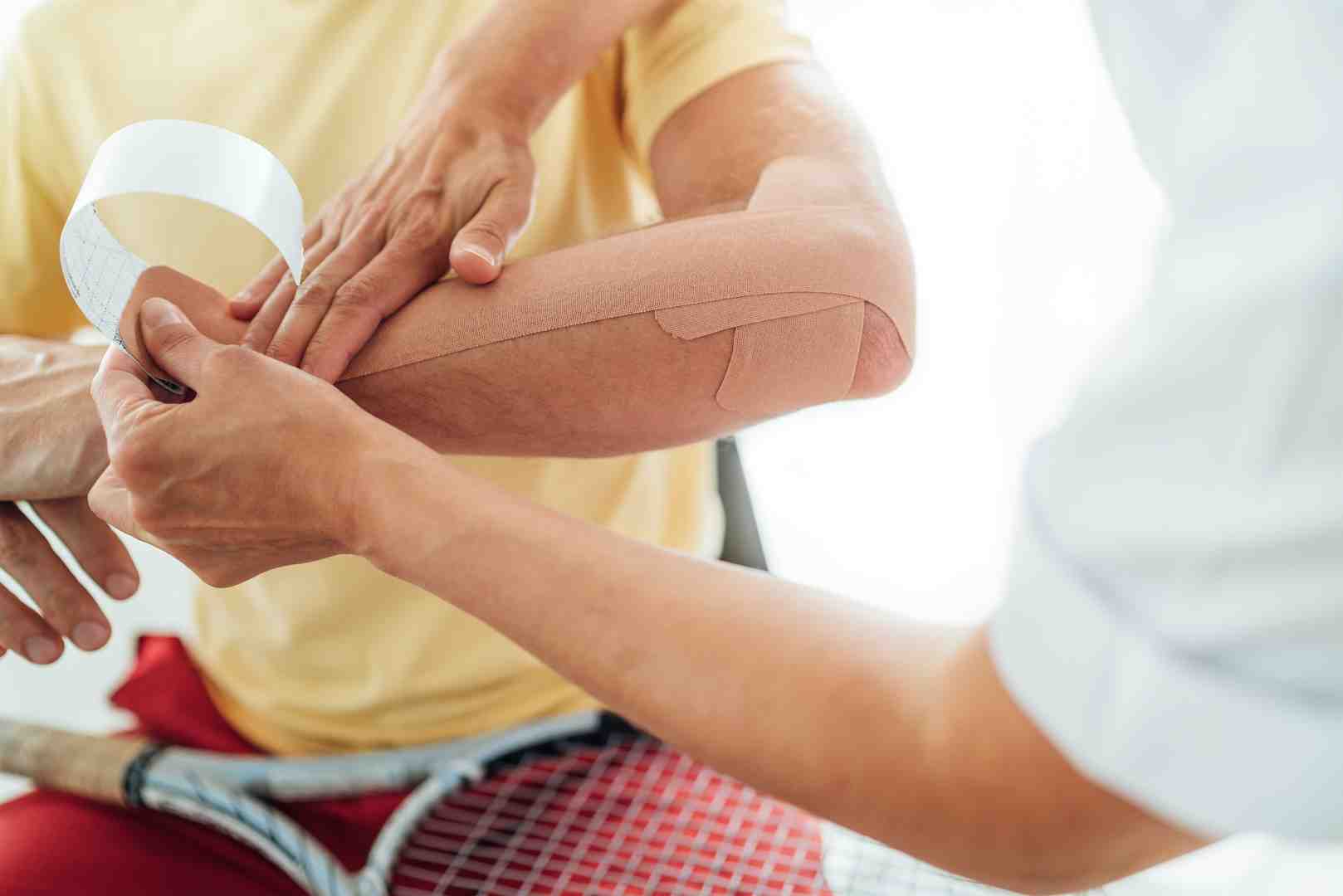
Some forward-thinking patients even participate in “prehabilitation”—physical therapy before surgery to optimize shoulder function. Research suggests better pre-surgical strength and range of motion often leads to improved post-surgical outcomes.
At Wright Physical Therapy, our team across Idaho specializes in shoulder rotator cuff surgery rehabilitation, providing the expertise and encouragement needed to steer this challenging but rewarding journey. This isn’t just about healing—it’s about returning to the activities that bring meaning to your life.
Conclusion
The journey to recovery after rotator cuff surgery isn’t a sprint—it’s a thoughtful marathon that rewards patience, consistency, and professional guidance. By understanding each phase of healing and embracing your rehabilitation program, you’ll find yourself gradually returning to the activities that bring you joy.
As you look back on your recovery path, remember the milestones that seemed so distant at the beginning. That first day without your sling. The morning you could wash your hair without help. The satisfaction of completing a full set of strengthening exercises without pain. Each small victory deserves celebration because they collectively represent your dedication to healing.
What matters most for your long-term success? Protect the repair during those crucial early weeks when your body is laying down the foundation for healing. Progress gradually through each phase, resisting the temptation to rush ahead. Focus on quality over quantity with your exercises—proper form prevents compensatory patterns that can lead to new problems. And perhaps most importantly, listen to your body’s signals about what it needs each day.
The road ahead may include some challenging days. On those days, thousands of patients have walked this path before you and found their way back to strength. Maintain consistency with your home program, even when progress feels slow. Your future self will thank you for your persistence today.
At Wright Physical Therapy, we’ve guided countless Idaho residents through shoulder rotator cuff surgery rehabilitation—from Twin Falls to Boise, Jerome to Idaho Falls. Our team doesn’t just offer expertise; we provide a partnership in your recovery journey. We celebrate your victories, troubleshoot your challenges, and adapt your program as you progress.
Many of our patients find their shoulders actually function better after rehabilitation than they did before surgery. With proper guidance and your committed effort, you’re not just repairing an injury—you’re building a stronger foundation for future activity.
As one of our patients recently shared, “I didn’t just get my shoulder back—I learned how to use it properly for the first time in my life.” We look forward to helping you write your own success story.
More info about Post-Surgical Rehabilitation
Ready to begin? Wright Physical Therapy’s team is here to support you at any of our locations throughout Idaho and Utah. Your journey to recovery starts with a single step—we’ll be with you for every one that follows.