
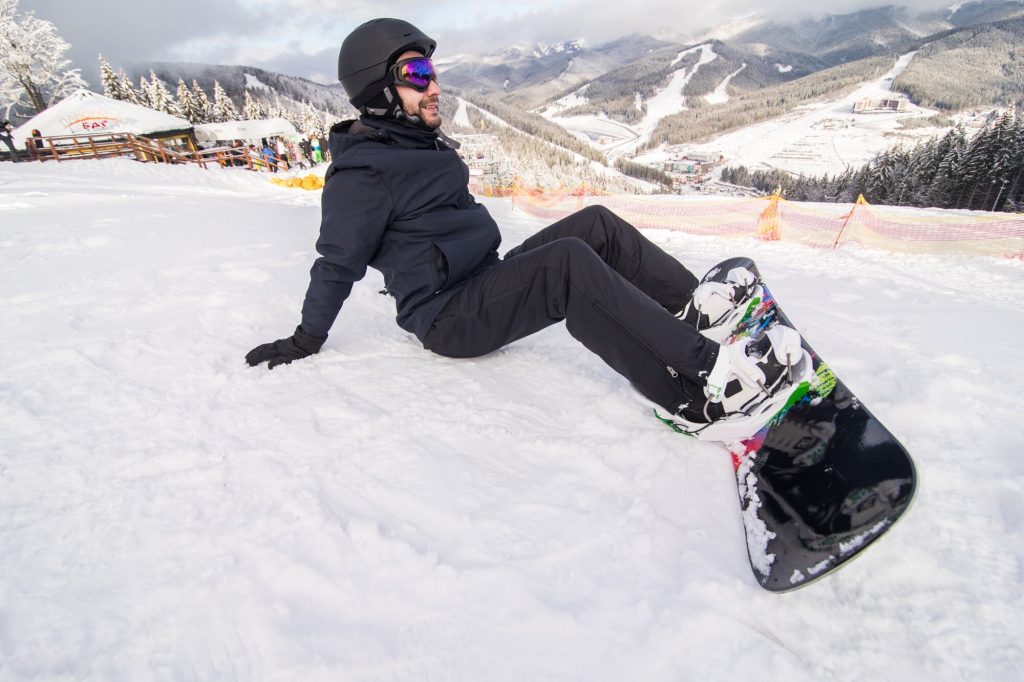
In Boise, winter weekends often mean heading into the mountains, carving down slopes, or learning to snowboard for the first time. For many adults between 30 and 60, it’s a favorite way to shake off the cold and stay active through the season. But snowboarding comes with its share of hard landings. Twisted knees, sore backs, and stubborn ankle pain can follow you home, making daily tasks feel harder than they should.
Not everyone bounces back right away after a fall. Some recover slowly, while others ignore the discomfort until it gets worse. This is where physical therapists in Boise, Idaho, make a difference. By improving movement, targeting pain, and helping the body regain balance, therapy becomes a necessary step between injury and getting back out on the snow.
Common Snowboarding Injuries That Need Therapy
Wiping out on a snowboard doesn’t seem like a big deal until the soreness lingers or you wake up stiff the next day. From slips getting off the lift to unexpected turns on icy patches, the force of a fall can strain multiple parts of the body.
• Knee and ankle sprains are common, especially if your foot gets caught during a turn or landing.
• Wrist injuries happen often when trying to break a fall with your hands.
• Lower back and hip pain can follow from landing hard on frozen snow.
• Tailbone and shoulder bruising may not limit movement at first but can become more painful over time.
Some injuries are easy to spot. A swollen ankle or a wrist that hurts to bend usually gets attention quickly. But others, like a sore back or a slight limp, are easy to overlook. If basic movements start to feel stiff days after your last run, it’s worth checking what’s really going on.
Snowboarding, by its nature, puts a lot of force on areas like the joints and lower back. Gear setup, such as how your boots fit or how the board is adjusted, can also impact how likely it is to get hurt. Slipping on ice, catching an edge at speed, or falling after catching air can all lead to more complicated injuries than you might expect while you’re out there having fun with friends or family. Repeated impacts or falls sometimes cause small injuries that build up over the season, so discomfort may creep in gradually instead of all at once.
How Snowboarding Falls Can Affect Movement Long-Term
What seems like a small fall can have a bigger effect a few weeks later. Pain that lingers in your lower joints, or certain movements that suddenly feel off, are signs your body hasn’t fully recovered. A lot of people unknowingly adjust how they walk or carry weight to protect a sore area.
• Limping or shifting unevenly can create more stress on the hips and spine.
• Tight ankles or knees can cause stiffness during everyday movements.
• A weak side may change your balance, leading to falls off the slopes too.
• Long-term discomfort can make future activities feel risky or less enjoyable.
The longer these small changes stick, the harder they are to undo. That’s why early recovery is so important. Addressing these patterns right after injury can prevent them from becoming habits that restrict movement later.
After a bad fall, you might notice subtle habits in how you move, even if you aren’t in pain all the time. Maybe you limp a bit, put less weight on one leg, or hesitate before bending down. These little shifts, if left unchecked, can affect balance and lead to problems in joints or muscles that weren’t even injured in the first place. Sometimes the body compensates in ways that help in the short term but cause more discomfort over time. This can lead to a cycle where movement gets stiffer, pain feels sharper, and confidence on or off the slopes drops.
Recovery after snowboarding injuries also relies on building awareness of how your muscles, joints, and posture may have changed. It’s easy to overlook small movements or ignore stiffness at first, but they become more obvious when daily activities start to feel more difficult. If you find yourself opting out of snowboarding weekends, sitting out more runs on the mountain, or struggling with simple routines at home or work, these are signals your body needs more support.
What Physical Therapy Can Do to Help Healing
After any snowboarding injury, the body needs more than rest. Recovery takes movement, practice, and support. Physical therapy focuses on getting joints back to full range, reducing pain, and helping you build strength in the right spots.
• Gentle exercises improve circulation and flexibility in sore areas.
• Targeted techniques help lower swelling, reduce stiffness, and unlock tight muscles.
• Strengthening nearby muscles gives the injured area more support.
• Balance and mobility training helps restore natural movement.
One of the benefits of working with physical therapists in Boise, Idaho, is that they understand how cold weather and outdoor falls affect the body. They’re familiar with local mountain conditions and what injuries typically happen this time of year. That kind of connection makes a big difference when creating a recovery plan that fits your needs.
Because every snowboarding injury is a bit different, treatment plans are usually tailored for specific problems. For instance, someone with a swollen ankle may start with light range-of-motion movement and gentle resistance, while someone with wrist pain could use activities that rebuild grip and hand flexibility. Back or hip issues can benefit from core exercises and postural training. Regular progress check-ins allow the therapist to adjust the plan so challenges from past injuries don’t interfere with healing now.
Therapists may use other helpful techniques such as manual therapy to ease tension, dry needling to reduce deep soreness, or taping support for weak joints. Education is also part of the process: teaching safer movement, recognizing warning signs, and guiding you through ways to prepare before your next mountain trip. Over time, you’ll notice not just less pain, but a smoother return to your everyday routine and favorite activities.
Building Confidence After Injury for Future Trips
Once the pain starts to fade, the next step is rebuilding confidence. Many people feel unsure after an injury and hesitate to get back on the slopes, even if their body feels ready. That fear can keep you from enjoying something you once loved. Physical therapy helps bridge that gap.
• Learning proper body control brings better balance and timing to your ride.
• Muscle training improves core strength, which supports joints and boosts reaction time during slips.
• Learning safer ways to fall can reduce the impact and protect vulnerable areas.
• Stretching and joint exercises between snowboarding weekends help avoid new injuries.
Having a plan in place does more than help you heal; it gives you a reason to trust your body again. Going back out after an injury isn’t always easy, but with support, it becomes a lot less stressful.
Therapists also help riders develop routines that keep them healthy through the rest of the season. Working on balance and agility not only restores what you lost after the injury but often sets you up for stronger runs on the slopes next time. Gradual exposure, going from short, easy runs to steeper trails, can make each outing feel safer. Perhaps most importantly, knowing there’s someone helping you every step of the way makes the process less intimidating. Restoring your faith in your movements lets you worry less about reinjury and focus more on enjoying every second outdoors.
If you’re not sure how to start after an injury, or you’re worried about missing out with friends, therapy gives you practical steps to get ready for your next trip. Therapists track your progress, help you set small goals, and provide honest advice about when you’re ready to try more challenging moves or head back to the mountains.
Stay Active Without Setbacks
Snowboarding doesn’t stop being fun just because of one fall. If pain or stiffness is holding you back this winter, it’s a sign your body needs extra help. Recovery isn’t about pushing through the discomfort. It’s about strengthening what’s weak, adjusting movements that aren’t working, and making space for healing.
When you look at your progress and see steady improvement, or when a therapist helps you identify which routines to practice at home, the switch from “injured” to “active” feels more natural. Simple exercises, like balance drills or stretching routines, make a lasting impact by keeping joints flexible and reducing the risk of future injuries. Whether you’re headed back to Bogus Basin or exploring a new mountain spot, it’s rewarding to return with confidence that your body can handle it.
We want to help you keep doing the things you enjoy without worrying if another fall will set you back. Recovering the right way means moving better, feeling better, and getting to look forward to next weekend’s snow trip without hesitation.
Recovering from a hard fall on your snowboard shouldn’t keep you from enjoying winter. Our team specializes in restoring full range of motion, relieving pain, and rebuilding strength so you can get back to what you love. When you partner with physical therapists in Boise, Idaho, you’ll benefit from experts who understand the unique challenges our local snow conditions bring. At Wright Physical Therapy, we’re committed to supporting your recovery with individualized care so you return to the mountain feeling confident. Call us today to schedule your visit.