
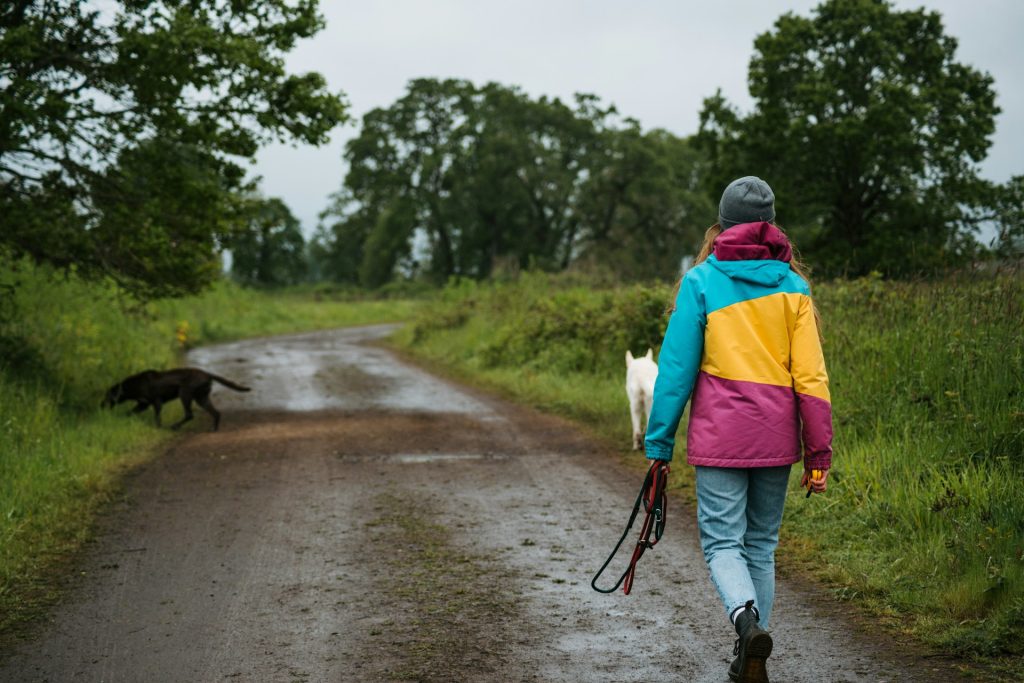
As spring starts to show in places like Boise, Idaho, and other nearby towns, a lot of us are ready to head outside and walk the trails. After months of cooler weather and maybe a little less movement, it feels good to get back out there. But before your feet hit the dirt, it helps to prepare your body for what’s ahead.
We’ve worked with a lot of people at our physical therapy clinic in Idaho who jump right into outdoor activity without warming up. Often, it leads to tight muscles, tired joints, or even old pains flaring back up. If you’re hoping to enjoy your trail walks this spring without setbacks, taking a few minutes to stretch the right way can make all the difference.
Why Stretching Before a Walk Matters
Over the colder months, it’s common for muscles to tighten up. Many of us move less in winter, and that makes our muscles and joints stiff. When you go from sitting more to walking outdoors, you’re asking your body to work in a way it hasn’t in a while.
Stretching wakes up your muscles and gives your joints time to catch up to new activity. It helps with balance and gives your legs and back a little extra support while you move. If muscles stay tight while you walk, they’ll pull harder on your joints, which can make long walks feel harder than they should.
Some early warning signs that your body might not be ready include:
- Feeling unsteady at the start of a walk
- A pulling or pinching feeling in your knees or lower back
- Feeling sore after just a short distance
Warming up first helps you avoid walking with stiff legs or tight hips. It’s a small step that saves your body from bigger problems later.
Timing and Setting: When and Where to Stretch Outdoors
Stretching at the right time makes it more helpful. Before a walk, it’s smart to do slower, moving stretches that gently get your muscles going. After a walk, you can do calmer, holding stretches to let your body cool down.
Outdoor surfaces matter more than people think. Trails near Twin Falls, Idaho, or Meridian, Idaho, can have uneven ground, cold rocks, or damp grass. Cold or hard surfaces don’t give your body much support. It’s better to stretch on a level sidewalk near the trail entrance or on a flat patch that’s not too soft or frozen.
Pay attention to things like:
- How cold the ground is before you kneel or sit during a stretch
- Whether there’s solid footing to prevent slipping when doing leg or hip stretches
- How windy or cold the air feels, since that can affect how your muscles respond
Make sure your clothing keeps you warm enough during outdoor stretches. If muscles are shaking or stiff from cold, they won’t move well and could be more likely to cramp.
Simple Pre-Walk Stretches That Won’t Strain You
You don’t need a long warmup before walking, just a few movements to get everything ready. The focus should be on your hips, calves, and lower back since those areas carry most of the work during a trail walk.
Try starting with these gentle moves:
- March in place or walk slowly to get your legs moving
- Do a few standing leg swings to loosen your hips
- Gently twist side to side with your hands on your hips to wake up your spine
- Stretch your calves by stepping gently into a lunge and holding for a couple of seconds, then switching sides
Before beginning, take a few breaths while standing tall. Then move slowly into each stretch. Never force a position or try to go too deep right away. The goal is to loosen things, not test your flexibility or hold a long pose.
Staying relaxed while you breathe through a stretch helps the muscles respond better. If the movement feels jerky or rushed, hit pause and try again with less force.
Mistakes to Avoid When Stretching for Trail Walks
It’s easy to make a few common mistakes when preparing for a spring walk. These habits often sneak in when we’re short on time or feeling extra excited to get moving.
Here are a few to watch out for:
- Holding deep stretches before your body is warmed up
- Skipping the pre-walk stretch just because the sun is out
- Stretching while standing still after a long car ride or time spent sitting
Even if the day feels warmer than what you’ve gotten used to, your muscles might still be stiff from winter. Start moving gently first, then stretch. Forcing your way into a strong stretch without building up heat in your body is one easy way to feel sore the next day.
If you’re coming from the car or sitting inside for work, it can help to lightly walk or swing your arms and legs before doing a full stretch. That simple boost in blood flow can protect you from injury during your walk.
What to Do if Stretching Still Leaves You Sore
There are times when stretching doesn’t seem to help much. You might feel sore anyway or notice one part of your body doing more work than the rest.
If that sounds familiar, you could be dealing with muscle imbalances. Over the years, old injuries or limited movement can change the way your body carries weight. One leg might be stronger, or you may shift weight onto one side without noticing it. That can make easy activity like trail walking feel harder than it needs to.
We often see this at our physical therapy clinic in Idaho. People feel like they’re doing things right but are still left with sore hips or knees after short walks. That’s when it helps to take a closer look at how the body is moving overall.
Early spring is a common time for past injuries to flare up. Cooler mornings, stiff muscles, and a sudden jump in activity can combine to trigger pain you thought was handled. Being aware of how your body feels and asking for support when things don’t improve can help you feel better faster.
Stay Active Without Setbacks This Spring
Safe stretching sets you up for stress-free movement. Trail walking should feel enjoyable, not like something you have to push through. When you prepare your body first, your knees, back, and feet will thank you later.
Listening to your body doesn’t mean slowing down. It means moving smarter so you can keep doing the activities you enjoy. Let stretching become part of your outdoor rhythm. It makes every walk feel better and helps keep pain from sneaking back in when you least expect it.
Soreness or stiffness shouldn’t keep you from enjoying spring walks on your favorite trails. Our team is here to help identify what’s really causing your discomfort and work with you to address it before it turns into a bigger concern. Whether you’re in Boise, Twin Falls, or nearby, you can count on us at Wright Physical Therapy for trusted care at a physical therapy clinic in Idaho. Let’s connect today and discuss what’s standing in the way of your goals.