
Therapist for athletes is a term that captures the growing need for mental health support among those in sports. Here’s a quick glance at what seeking such a professional can offer:
- Support for mental health challenges like anxiety, depression, and performance pressure
- Guidance on balancing priorities such as training, academics, and personal life
- Coping strategies for injuries and setbacks, integral for mental recovery
- Improving relationships with teammates, coaches, and family
Now, more than ever, athletes are under immense stress to excel, often facing relentless performance pressure. From Olympians like Simone Biles prioritizing their well-being to young athletes balancing multiple roles, the conversation around mental health in sports is crucial. About 30% of student-athletes report mental health difficulties, highlighting the need for comprehensive support systems.
As someone skilled in alleviating suffering and enhancing physical therapy treatment, I’m Bryan Wright. My objective at Wright Physical Therapy is to balance goals and growth, ensuring athletes receive the best care to thrive both mentally and physically. Let’s explore this vital path further.
Understanding the Role of a Therapist for Athletes
Athletes face unique challenges that can affect their mental and physical well-being. That’s where a therapist for athletes comes in. These professionals specialize in helping athletes manage stress, build resilience, and improve performance.
Types of Therapists for Athletes
-
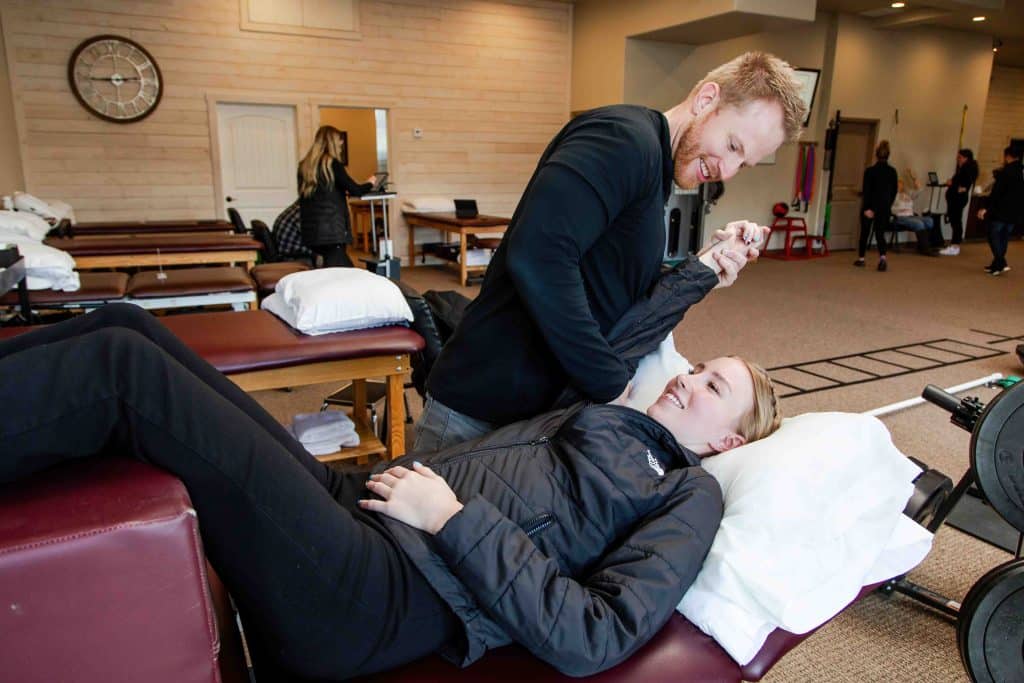
Sports Physical Therapist: This type of therapist focuses on the physical aspects of sports performance. They help athletes recover from injuries and improve their physical capabilities. For example, a sports physical therapist might use therapeutic massage to speed up healing and prevent future injuries. Learn more about therapeutic massage.
-
Sports Psychologist: These professionals specialize in the mental side of sports. They help athletes manage performance anxiety, build mental toughness, and improve focus. Sports psychologists use techniques from sports psychology to help athletes achieve peak performance and cope with the pressures of competition.
-
Mental Health Professionals: These therapists address broader mental health concerns like anxiety, depression, and identity issues. They provide emotional support and coping strategies that athletes need to steer the complexities of sports and life.
Benefits of Therapy for Athletes
Therapy offers numerous benefits that can help athletes thrive both on and off the field:
-
Self-Confidence: Working with a therapist can boost an athlete’s self-esteem. By overcoming mental blocks and building mental resilience, athletes gain confidence in their abilities.
-
Stress Relief: Athletes often juggle multiple responsibilities, from training to academics. Therapy provides a safe space to express feelings and develop strategies to manage stress effectively.
-
Resilience Development: Facing setbacks is part of being an athlete. Therapy helps athletes build resilience, enabling them to bounce back from injuries or disappointments. It teaches them to view challenges as opportunities for growth.
Incorporating therapy into an athlete’s routine can lead to a healthier, more balanced life. Whether it’s recovering from an injury or dealing with performance pressure, a therapist for athletes plays a crucial role in supporting their journey to success.
How to Choose the Right Therapist for Athletes
When selecting a therapist for athletes, it’s crucial to consider several factors that ensure the best fit for your needs. Here’s a guide to help you make an informed decision.
Key Considerations
Credentials and Specialization
Start by checking the therapist’s credentials. Look for professionals with certifications relevant to sports therapy, such as ABPTS certification for physical therapists or a background in sports psychology for mental health experts. These credentials indicate specialized knowledge and skills crucial for addressing athletes’ unique challenges.
Experience with Athletes
Experience matters. Therapists who have worked extensively with athletes understand the specific pressures and demands of sports. They are better equipped to tailor their approach to fit the unique needs of athletes. For example, at Wildflower Therapy, therapists have experience helping athletes with eating disorders, recognizing the distinct challenges they face.
Holistic Approach
A holistic approach considers both the physical and mental aspects of an athlete’s well-being. This means integrating physical therapy, mental skills training, and emotional support. Inner Strength Counseling emphasizes a holistic approach, embracing inner strength and resilience, which is vital for comprehensive care.
Personalized Care
Each athlete is unique, and so should be their treatment plan. Look for therapists who offer personalized care, adjusting their methods to match your specific goals and challenges. Wildflower Therapy, for instance, tailors treatment to meet athletes where they are, whether that means continuing training or taking time off.
Questions to Ask Potential Therapists
To ensure you find the right therapist, consider asking these questions:
- What is your experience working with athletes?
-
Understanding their background with athletes can give you confidence in their ability to address your specific needs.
-
What treatment methods do you use?
-
Ask about the techniques and approaches they employ. This helps you understand if their methods align with what you’re looking for.
-
How do you personalize care for each athlete?
-
Personalized care is crucial for effective therapy. Inquire about how they tailor their strategies to fit individual athlete needs.
-
What is your availability?
-
Consistency is key in therapy. Ensure their schedule aligns with yours to maintain regular sessions.
-
Do you collaborate with other professionals?
- Sometimes, it’s beneficial for therapists to work alongside coaches or dietitians. This collaboration can improve the overall treatment experience.
Choosing the right therapist involves careful consideration of these factors. By asking the right questions and focusing on key considerations, you can find a therapist for athletes who will support your journey towards achieving your goals.
Wright Physical Therapy: A Unique Approach
At Wright Physical Therapy, we believe that every athlete deserves personalized care that addresses their unique needs. Our approach is designed to not only help athletes recover from injuries but also improve their overall well-being.
Personalized Care
Each athlete is different, and so is their journey. Our therapists work closely with you to develop a treatment plan custom specifically to your needs. Whether you’re dealing with a sports injury or looking to improve your performance, our personalized approach ensures that you receive the most effective care possible. This individualized attention helps athletes regain confidence and get back to doing what they love.
Community Impact
We are deeply committed to making a positive impact in our community. Wright Physical Therapy goes beyond the clinic walls by actively participating in local events and supporting charitable initiatives. We believe in giving back, and a portion of our revenue is donated to organizations dedicated to protecting and empowering children. This commitment to community enriches our practice and strengthens our ties with those we serve.
Patient Education
Empowering athletes through education is a cornerstone of our practice. We ensure that every patient understands their treatment plan and the reasons behind each specific therapy or exercise. This knowledge not only helps in alleviating symptoms but also equips athletes with the tools to manage their health and prevent future issues. Our health blog offers valuable insights and tips to maintain optimal health, making it a trusted resource for athletes looking to stay informed and proactive about their well-being.
At Wright Physical Therapy, our unique approach combines effective treatment with education and community support, providing athletes with a comprehensive path to recovery and growth.

Conclusion
In today’s world, mental health awareness is more important than ever, especially for athletes who face unique pressures and challenges. Seeking help from a professional can be a game-changer, both on and off the field. As we’ve seen through the examples of Simone Biles and Naomi Osaka, prioritizing mental well-being can lead to healthier, more balanced lives.
Therapists for athletes play a crucial role in this journey, offering support that goes beyond physical recovery. From managing stress and anxiety to building resilience and self-confidence, the right therapist can help athletes open up their full potential.
At Wright Physical Therapy, we are dedicated to supporting athletes through personalized care that addresses both physical and mental health needs. Our compassionate team is here to guide you every step of the way, ensuring you have the tools and knowledge to thrive.
Seeking help is a sign of strength, not weakness. Whether you’re dealing with an injury or simply looking to improve your performance, taking the step to consult with a therapist can be the key to achieving your goals and sustaining your growth. Let us help you get back to doing what you love with confidence and renewed energy.