
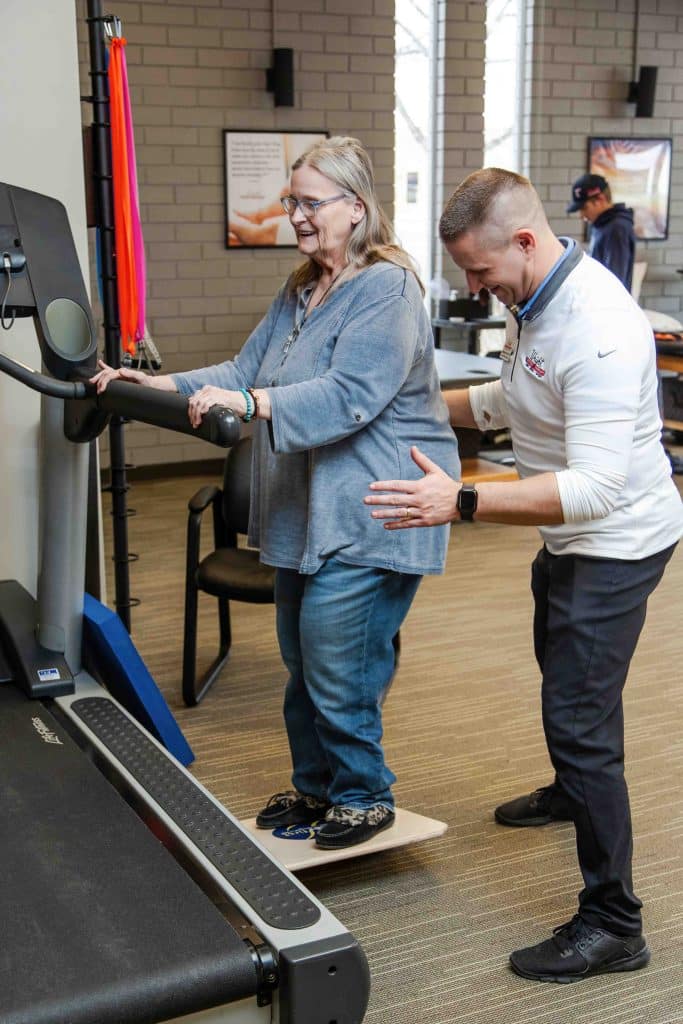
What are the best exercises after knee replacement surgery? After undergoing a knee replacement, many patients are eager to regain mobility and return to their daily activities. The journey to recovery involves a series of carefully selected exercises designed to improve strength, flexibility, and overall function. Here are some top exercises to consider:
- Walking with Support: Encourage mobility and circulation.
- Quadriceps Sets: Strengthen the thigh muscles and improve knee stability.
- Straight Leg Raises: Improve quadriceps strength without straining the knee.
- Ankle Pumps: Boost circulation and reduce the risk of blood clots.
- Knee Bends: Improve range of motion gradually.
Starting on this recovery path can be daunting, but with personalized physical therapy and dedicated effort, the results are rewarding. From the initial post-operative stages in the hospital to ongoing outpatient sessions, a structured approach can help reclaim your life without knee pain.
I’m Bryan Wright, here to guide you through what are the best exercises after knee replacement. With years of experience enhancing physical therapy treatments, I focus on providing comprehensive care and fostering healing environments. Let’s dive deeper into the essentials of your recovery journey.
What are the best exercises after knee replacement vocab to learn:
– can you exercise after knee replacement
– how long to exercise after knee replacement
– tka protocol
What Are the Best Exercises After Knee Replacement?
Early Post-Operative Exercises
After knee replacement surgery, it’s crucial to start with gentle exercises to kickstart your recovery. These exercises focus on improving blood flow, reducing swelling, and beginning to restore movement.
-
Walking with Support: Begin with short walks using a walker or crutches. This helps improve circulation and encourages a gradual return to mobility. As you gain strength, you can increase the distance and reduce reliance on support.
-
Quadriceps Sets: Lying down, tighten your thigh muscle and hold for a few seconds. This exercise strengthens the quadriceps, which are key for knee stability.
-
Straight Leg Raises: While lying flat, lift your leg a few inches and hold. This builds strength without putting pressure on the knee.
-
Ankle Pumps: Move your foot up and down while lying down. This simple exercise boosts circulation and helps prevent blood clots.
-
Knee Bends: Bend your knee gently and hold the position. This helps improve your range of motion over time.
Advanced Exercises and Activities
As you progress in your recovery, you can introduce more advanced exercises to improve strength and flexibility.
-
Stationary Bike: Riding a stationary bike is excellent for maintaining and improving range of motion. Start with a recumbent bike, adjusting the seat so your knee is slightly bent at the farthest pedal point. Aim for a gradual increase to 30 minutes of cycling daily.
-
Exercycling: Incorporate cycling as part of your routine. It’s a low-impact way to boost cardiovascular health and strengthen leg muscles.
-
Stair Climbing: Once you’re ready, stair climbing can be a great way to build strength in your legs. Use a railing for support and start with a few steps, gradually increasing as you feel comfortable.
-
Step Ups: Use a low step or platform and step up and down. This exercise targets the quadriceps and helps improve balance and coordination.
-
Resistance Exercises: Incorporate resistance bands to target specific muscles around the knee. These exercises are effective in building strength without high impact.
-
Elliptical Machine: After a few months, using an elliptical can provide a full-body workout while minimizing stress on the knee. It’s a great way to improve cardiovascular fitness safely.
These exercises are designed to support your recovery by promoting strength and flexibility while minimizing stress on your new knee. Always consult with your physical therapist to tailor these activities to your specific needs and progress.

By integrating these exercises into your routine, you’ll be on your way to reclaiming your mobility and enjoying a pain-free life. Continue to the next section for long-term exercise strategies to maintain your progress and ensure lasting success.
Long-Term Exercise Strategies
Once you’ve moved beyond the initial recovery phase, it’s time to focus on long-term exercise strategies. These exercises aim to maintain and improve your knee’s strength, flexibility, and overall health.
Range of Motion and Strength Building
Range of Motion: Keeping your knee flexible is crucial. Continue with exercises like knee bends and quadriceps sets to maintain and improve your knee’s range of motion. Stretching exercises are also vital. They help prevent stiffness and ensure your knee moves smoothly.
Strength Building: Building strength around your knee joint is key to a successful recovery. Incorporate exercises like resistance training with bands or light weights. Focus on your quadriceps, hamstrings, and calf muscles. These help support your knee and improve stability.
Cardiovascular Exercise
Cardiovascular Exercise: Regular cardio is essential for overall health and knee recovery. Activities like walking, swimming, and cycling are great choices. They boost your heart health while being gentle on your knee. Aim for at least 150 minutes of moderate aerobic activity each week.
Exercises to Avoid
While staying active is important, some exercises can be harmful to your new knee.
Running and Jogging: High-impact activities like running and jogging can put too much stress on your knee. They might lead to wear and tear on the joint, potentially causing damage.
Heavy Weight Training: Lifting heavy weights can also strain your knee. Instead, focus on lighter weights with more repetitions. This approach builds strength without overloading your joint.
By sticking to these long-term strategies and avoiding high-impact activities, you can enjoy a more active and pain-free life. Always consult your physical therapist or doctor before trying new exercises to ensure they’re appropriate for your recovery stage.
Conclusion
At Wright Physical Therapy, we believe that recovery from knee replacement surgery is not just about healing—it’s about thriving. Our approach centers on patient education, empowering you with the knowledge and tools needed for a successful recovery. We understand that each patient’s journey is unique, and we tailor our programs to fit your individual needs.
Patient Education: Knowledge is power, especially when it comes to your health. Our team is dedicated to educating you on the best exercises after knee replacement and how to incorporate them into your daily routine. By understanding the “why” behind each exercise, you can confidently progress through your recovery. We provide clear instructions and support every step of the way.
Community Impact: Beyond individual care, we are committed to making a positive impact in our local communities. By promoting healthy lifestyles and offering workshops and events, we aim to foster a culture of wellness. Our goal is to help not just our patients but the entire community to move better and live healthier lives.
At Wright Physical Therapy, we combine compassionate care with expert guidance to ensure you achieve the best possible outcomes. Whether it’s through personalized exercise plans or community initiatives, we’re here to support you on your path to recovery.
For more information on how we can assist in your post-surgical recovery journey, visit our Wright Physical Therapy surgical recovery page. Let us help you get moving again with confidence and strength.
