
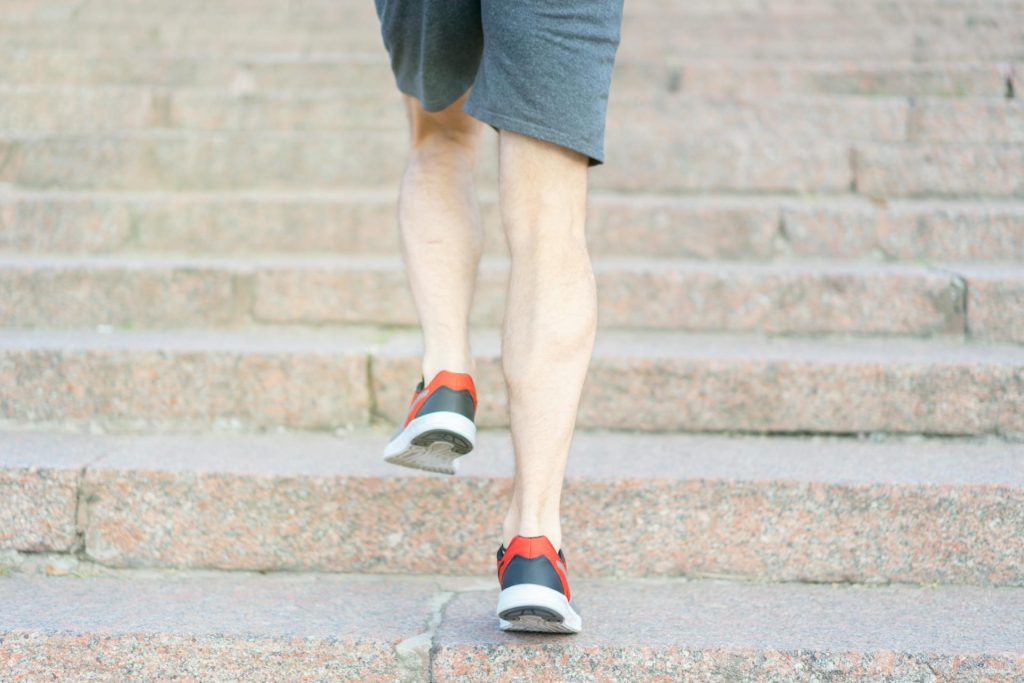
Cold stairs and windy mornings can really wear on your legs, especially this time of year. By early March, the winter chill hasn’t quite let go, and it’s easy to feel that tight pull in your calves after something as normal as climbing stairs. If your calf muscles are sore more often than not after going up and down stairs each day, you’re not alone.
We’ve noticed more people in the area dealing with this kind of late-winter tightness. Staying active is important, but cold weather and stairs can be an irritating combo, especially around Twin Falls, Idaho. Understanding what your muscles are going through can help reduce discomfort and make movement feel easier again. When you’re active, knowing how your calves react when it’s cold can help you manage pain and prevent it from lingering.
How Cold Weather Affects Muscles and Joints
Cold changes a lot about how your body feels and moves. It stiffens things up without much warning. Muscles and joints don’t warm up as quickly, which means they need more support early on in your day.
- In cold temperatures, muscles hold more tension and don’t stretch easily.
- Less blood flows to your limbs when it’s cold out, slowing how fast your muscles get ready for movement.
- Slippery outdoor walks or hard, cold indoor floors can change your steps without you realizing it.
The legs, especially the calves, pick up the slack when other parts tighten or hesitate. This creates more fatigue in places that already do a lot of work. Cold weather makes it harder for your body to respond quickly, which means the calves do more to stabilize your steps and control every motion.
Muscles that aren’t warm can’t contract and relax as efficiently, which sometimes leads to awkward movement patterns. Over time, this can turn minor aches into stubborn stiffness. That’s why late winter often brings more discomfort than you might expect from the same set of stairs you’ve tackled all year.
Why Stairs Make Calves Work Overtime
Climbing stairs isn’t quite the same as walking flat. Your calves have to help lift and control every step. Add repetition and cold weather, and you’ve got more stress on one part of the body than it may be ready for.
- Every time you push off a step, your calf muscles engage more intensely than during straight walking.
- Cold muscles tire faster, and working them daily on stairs can lead to overuse.
- Rushing up or down stairs, or leaning too far forward, adds weight and torque to the lower legs.
It’s not just about strength. The way your body moves tells the full story. Even a small shift in posture, or favoring one leg, can double the work for a tight calf muscle.
When you regularly climb stairs in colder weather, you might find yourself pushing harder without meaning to. Each step up or down pulls on the calf, making it easy to strain a muscle if you’re not paying attention to form or if you start moving too fast. Everyday stairs, especially those at work or home, can sneak extra effort into your routine and catch you off guard with soreness that lingers overnight.
Our calves are always involved when we rise up, control descent, or balance on an edge. If another muscle along the chain, like your thigh or glute, is tight or weak from the cold, calves step in to manage extra pressure, which can leave them feeling beat up by day’s end.
When Soreness Becomes a Sign of a Bigger Issue
Muscle soreness comes and goes, but if it’s sticking around longer than a day, it’s time to pay attention. Some signs shouldn’t be brushed off, especially when they show up over and over again.
- Pain that spikes sharply or makes you hesitate on stairs can signal strain or other soft tissue problems.
- Swelling or tenderness when touched may point to deeper issues with tendons.
- Prior injury or weaker surrounding muscles can send too much pressure into the calves without you noticing.
These aren’t just discomforts. They’re how your body flags that something’s off, asking for a break or a change in how you’re using it. Letting soreness build without checking in can lead to more limited movement down the line.
If the pain gets worse when you move or doesn’t settle after rest, your body could be telling you that something is out of balance. A sharp, stabbing feeling or a stretch that won’t relax might be a red flag. Even small signs, like avoiding certain stairs or changing your stride, add up. Noticing these patterns and making small changes before pain becomes constant can help your calves recover faster and stop problems before they grow.
How Physical Therapy Eases the Cycle of Soreness
Calf soreness linked to cold-weather stair habits usually doesn’t fix itself if you keep repeating the same patterns. That’s where looking at the full body helps.
Physical therapy in Twin Falls, Idaho takes a close look at why the calf is overdoing the work. Stair strain might really begin at your hip or ankle. When joints are stiff or muscles weak elsewhere in the chain, the lower legs pick up extra effort.
- Supportive exercises help balance out strength so no one area over-compensates.
- Mobility and coordination training makes each stair step smoother and less jarring.
- Gradual progress keeps your body improving without flaring up sore spots.
It’s not just about stretching a tight calf. It’s about resetting how your body climbs in cold weather, step by step, so soreness doesn’t keep stacking up.
If the calf is carrying too much load, adjusting your technique and strengthening nearby joints can bring relief. Therapists track how each part of your leg and back moves on stairs, then tailor movement strategies to fit your daily needs. The goal is to build muscle support, flexibility, and balance, so the calves don’t have to compensate so much for other parts that aren’t carrying their share.
Physical therapy also includes hands-on work, education, and creating plans for gradual improvement. You’ll learn new habits that help avoid soreness, not just manage it when it appears. Long-term progress means learning how your body reacts in the cold, so you adapt, not just react.
Long-Term Tricks to Stay Active Through March
March weather flips between icy mornings and slightly softer afternoons. That mix leads people to push through the cold without fully preparing their bodies. Small habits can carry you more comfortably to spring.
- Stretch your calves lightly before and after taking stairs or walking longer distances.
- Use supportive, non-slip shoes indoors and out to keep your step balanced.
- Pay attention to your pacing on stairs, slow, steady steps reduce added tension.
- Try not to take stairs back-to-back without resting your body for a minute or two.
Staying active through late winter should feel rewarding, not irritating. A few smart adjustments go a long way toward keeping you moving comfortably in the cold.
Constant small efforts can bring big results over time. Even mild calf stretches, pauses between sets of stairs, and shoes with better grip can make each step feel easier and lighter on your muscles. Movement routines, like ankle circles or gentle leg swings, can get blood moving first thing in the morning, especially when the temperature drops overnight. These small changes help your body handle the march into spring, so it’s ready when the snow and chill finally leave.
Don’t forget to adjust how quickly you take stairs or how many trips you make at a time, especially on colder days when your muscles are sluggish. Listening to your body during these transitions helps prevent small strains from snowballing. Focusing on comfort and recovery, rather than just pushing through, helps keep your legs moving well throughout winter’s last stretch.
Keep Moving Without Letting Pain Settle In
Daily stair climbing has real health benefits, but sore calves every morning could be a sign that something’s off. Your body’s still dealing with the last stretch of winter. Those stiff muscles and tight joints are asking for more guidance, not more pressure.
If you can’t shake soreness or find yourself skipping stairs to avoid discomfort, it’s time to move differently. Supporting your muscles now helps avoid setbacks later, so you can keep climbing instead of having to stop. Listen to those small aches, they usually have something to say.
Tight calves shouldn’t slow you down or keep you from enjoying your daily routine. At Wright Physical Therapy, we take time to understand how weather, movement, and your everyday habits contribute to your discomfort, especially when your legs are constantly in motion. Our team is committed to addressing sore muscles at the root and helping you move with greater comfort, even on brisk, stair-filled mornings. Find out how we help people stay active with less pain by getting started with physical therapy in Twin Falls, Idaho. Call us today to schedule your first visit.