
Introduction
Pelvic floor therapy involves physical techniques to strengthen or relax the muscles at the base of the pelvis. This can help with core stability, control over urination and bowel movements, and sexual function.
What does pelvic floor therapy do?
- Strengthens weak pelvic muscles.
- Relaxes overly tight pelvic muscles.
- Improves bladder and bowel control.
- Enhances sexual function.
- Stabilizes the hips and spine.
Whether you’ve just had a baby, are experiencing low back pain, or dealing with other pelvic issues, learning more about pelvic floor therapy can be a game-changer.
Most people don’t think about their pelvic floor until there’s a problem. But this group of 26 muscles supports essential functions such as urination, bowel movements, and even sexual activity. Just like any other muscle in your body, they can become weak or too tight, leading to issues like incontinence, pain, or pelvic organ prolapse.
Pelvic floor therapy is a minimally invasive, first-line treatment for these types of dysfunctions. Studies support it as an effective way to improve your quality of life.
What Does Pelvic Floor Therapy Do?
Pelvic floor therapy focuses on strengthening and relaxing the muscles of the pelvic floor. These muscles are crucial for several vital functions, including supporting organs, stabilizing the pelvis, controlling bowel and bladder movements, and enhancing sexual function.
Functions and Benefits
Muscle Support: The pelvic floor muscles work like a hammock, stretching from the pubic bone in the front to the tailbone in the back. They support the bladder, uterus, prostate, and rectum. When these muscles weaken or become too tight, it can lead to issues like incontinence or pelvic pain.
Organ Stability: These muscles help stabilize the pelvis and spine. This stability is essential for daily activities and overall core strength. A stable pelvis supports better posture and reduces the risk of back pain.
Sexual Function: Pelvic floor muscles play a significant role in sexual health. For both men and women, these muscles assist with sexual arousal and function. Weak or tense pelvic floor muscles can lead to painful intercourse or erectile dysfunction.
Bowel and Bladder Control: Perhaps one of the most well-known benefits of pelvic floor therapy is improved control over urination and bowel movements. Whether it’s stress urinary incontinence (leakage when you cough or sneeze) or fecal incontinence, pelvic floor therapy can help.
How It Works
During pelvic floor therapy, a physical therapist will guide you through exercises and techniques to either strengthen or relax your pelvic floor muscles. This can include:
- Kegel Exercises: These are designed to strengthen the pelvic floor muscles. They involve contracting and relaxing these muscles, similar to stopping and starting the flow of urine.
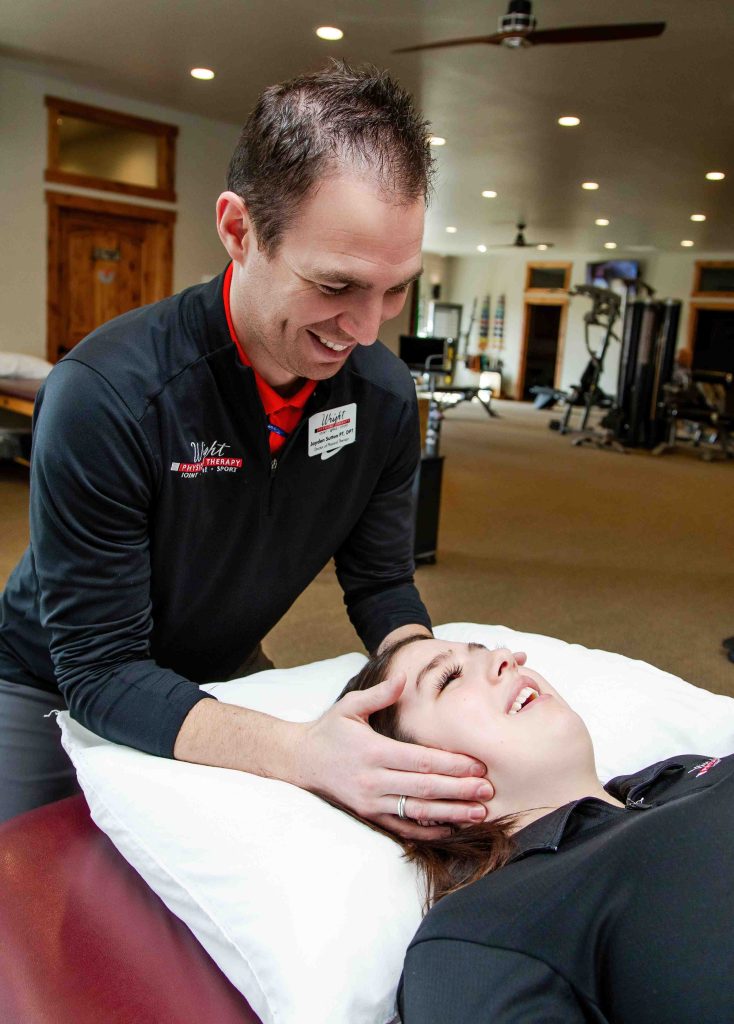
- Manual Therapy: The therapist may use hands-on techniques to release tension in the muscles.
- Biofeedback: This involves sensors that track muscle activity, helping you understand how to control these muscles better.
- Electrical Stimulation: This technique uses a mild electrical current to stimulate the pelvic floor muscles, improving their strength and function.
Real-Life Impact
Studies show that up to 25% of adults experience some form of pelvic floor dysfunction, whether it’s urinary incontinence, pelvic pain, or sexual problems. Pelvic floor therapy can significantly improve these conditions, enhancing your quality of life.
One patient shared, “After just a few sessions, I noticed a huge improvement in my bladder control. I no longer have to worry about leaks during my daily runs.”
Sources:
– Wright PT
– HealthDay
– Everyday Health
Next, we’ll explore the key techniques used in pelvic floor therapy, including Kegels, manual therapy, and more.
Key Techniques Used in Pelvic Floor Therapy
Pelvic floor therapy uses a variety of techniques to target and improve the muscles and functions of the pelvic floor. Here are some of the most effective methods:
Kegels
Kegels are probably the most well-known pelvic floor exercise. Named after Dr. Arnold Kegel, these exercises involve contracting and relaxing the pelvic floor muscles. They help strengthen the muscles, improve bladder control, and reduce pain during sex.
How to do Kegels:
1. Identify your pelvic floor muscles by trying to stop the flow of urine midstream.
2. Tighten these muscles for 5 seconds.
3. Relax for 5 seconds.
4. Aim for 3 sets of 10 repetitions each day.
A common mistake is squeezing too hard. Remember to do Kegels gently while breathing out slowly.
Manual Therapy
Manual therapy involves a therapist using their hands to apply pressure and manipulate the pelvic floor muscles. This technique can help release tight muscles and reduce pain.
Manual therapy can include:
– Soft tissue work: Targeting trigger points and myofascial tissue.
– Scar tissue massage: Especially useful for patients who have had surgeries like C-sections.
Electrical Stimulation
Electrical stimulation uses small electrical currents to help the pelvic floor muscles contract. This method can reduce pelvic pain and muscle spasms.
How it works:
– Electrodes are placed on the skin or an internal probe.
– The electrical currents stimulate the muscles, helping them to contract and relax.
– This can be done in a clinic or at home with special equipment.
Biofeedback
Biofeedback helps you become more aware of how your pelvic floor muscles are working. It uses sensors and a computer screen to show muscle activity.
During a biofeedback session:
– Sensors are placed externally or internally.
– You perform exercises while watching your muscle activity on a screen.
– This helps ensure you are using the correct muscles and improving over time.

Trigger Point Therapy
Trigger point therapy targets specific “trigger points” on your body that cause pain. Applying pressure to these points can help relieve pain and improve muscle function.
How it’s done:
– A therapist applies pressure to trigger points either internally or externally.
– Sometimes, anesthesia is injected into the area to relieve pain.
These techniques are tailored to each patient’s needs and can be combined for the best results.
Next, we’ll delve into the common conditions treated with pelvic floor therapy, such as urinary incontinence and pelvic pain.
Sources:
– Wright PT
– Everyday Health
– Runner’s World
Common Conditions Treated with Pelvic Floor Therapy
Pelvic floor therapy can address a range of conditions that affect your daily life. Let’s explore some of the most common ones:
Urinary Incontinence
Urinary incontinence is the involuntary leakage of urine, often triggered by activities like coughing, sneezing, or exercising. This condition affects many people, particularly women after childbirth. Pelvic floor therapy helps by strengthening the muscles that support the bladder and urethra.
Fun Fact: According to a study, 30% of women don’t properly contract their pelvic floor muscles, which can contribute to incontinence.
Pelvic Pain
Pelvic pain can be caused by high tone disorders where the pelvic muscles are too tight. Conditions like pelvic floor myofascial pain and vaginismus fall into this category. Therapy focuses on relaxing these muscles through techniques like manual therapy and biofeedback.
Case Study: A woman experiencing chronic pelvic pain found relief through pelvic floor therapy that included manual techniques and stretching exercises.
Sexual Dysfunction
Sexual dysfunction can result from both high and low tone pelvic floor disorders. For women, this might mean pain during intercourse (dyspareunia) or vaginismus. For men, issues like erectile dysfunction can sometimes be linked to pelvic floor problems. Therapy aims to improve muscle function and reduce pain, enhancing sexual health.
Quote: “Not only is pelvic floor therapy extremely effective in treating conditions like urinary incontinence and pain during intercourse, it is part of total-body strength,” says a physical therapist.
Postpartum Recovery
Postpartum recovery is a critical time for new mothers. Pregnancy and childbirth can weaken the pelvic floor muscles, leading to problems like urinary incontinence and pelvic organ prolapse. Pelvic floor therapy helps in regaining strength and function.
Reminder: Each woman’s experience with childbirth is unique, so a personalized exercise plan is essential. Consult a pelvic floor physical therapist for tailored advice.
Chronic Constipation
Chronic constipation can be related to pelvic floor dysfunction. If the pelvic muscles are not coordinating properly, it can make bowel movements difficult. Therapy can include exercises to improve muscle coordination and relieve constipation.
Statistic: One in five people will experience pelvic floor dysfunction in their lifetime, according to research.
These are just a few of the conditions that pelvic floor therapy can treat. It’s a versatile and effective approach to improving your quality of life.
Next, we’ll explore how pelvic floor therapy can enhance your life, from improved bladder control to increased core stability.
Sources:
– Wright PT
– Everyday Health
– Runner’s World
How Pelvic Floor Therapy Can Enhance Your Life
Pelvic floor therapy isn’t just about treating specific conditions; it can have a profound impact on your overall well-being. Here’s how:
Improved Bladder Control
One of the most significant benefits of pelvic floor therapy is improved bladder control. According to research, up to 25% of adults experience urinary incontinence. Pelvic floor exercises, such as Kegels, help strengthen the muscles that support the bladder, reducing or even eliminating leakage.
Enhanced Sexual Experience
A strong pelvic floor can significantly enhance sexual function. Weak or tight pelvic floor muscles can lead to painful intercourse and reduced sexual satisfaction. Pelvic floor therapy can address these issues by improving muscle tone and elasticity. “Many women see a noticeable improvement in their sexual health after just a few sessions,” says Kelly Feddema, a physical therapist specializing in pelvic floor rehabilitation.
Reduced Pain
Pelvic floor dysfunction often leads to chronic pain in the pelvic region, lower back, and even the hips. Techniques like trigger point therapy and soft tissue work can alleviate this pain. For instance, internal and external soft tissue work can release muscle tension and reduce pain, making daily activities more comfortable.
Increased Core Stability
Your pelvic floor muscles play a crucial role in stabilizing the pelvis and spine. Strengthening these muscles can improve your overall core strength, which is essential for posture, balance, and general mobility. This increased stability can also make other physical activities, like running or lifting, safer and more effective.
By addressing these areas, pelvic floor therapy offers a holistic approach to improving your quality of life. Whether you’re dealing with bladder issues, sexual dysfunction, chronic pain, or core instability, this therapy provides a path to better health and well-being.
Next, we’ll dive into frequently asked questions about pelvic floor therapy to answer common concerns and help you understand what to expect.
Sources:
– Wright PT
– Everyday Health
– Runner’s World
Frequently Asked Questions about Pelvic Floor Therapy
What are the signs that I might need pelvic floor therapy?
Pelvic floor therapy can address various symptoms linked to pelvic floor dysfunction. Here are some common signs that you might benefit from this therapy:
- Urinary Issues: Dribbling or leaking when you cough, sneeze, or exercise. Feeling the need to use the bathroom frequently.
- Bowel Concerns: Struggling with constipation or experiencing fecal incontinence.
- Pelvic Pain: Persistent pain in the pelvic region, especially during activities like sitting or exercising.
- Sexual Dysfunction: Pain during intercourse or a noticeable decrease in sexual function.
- Postpartum Changes: Difficulty with bladder or bowel control after childbirth.
If you’re experiencing any of these symptoms, it might be time to consult a healthcare provider about pelvic floor therapy.
How long does it typically take to see improvements from pelvic floor therapy?
The timeline for seeing improvements can vary based on the individual and the specific condition being treated. Generally, you can expect to notice some changes within a few weeks.
- Pain-Related Concerns: Typically, patients start to see improvement in 8 to 12 visits.
- Urinary or Bowel Control Issues: These conditions often show significant improvement in 6 to 8 visits.
Recovery is a process, and each person’s journey is unique. Consistency with your home exercise program and regular sessions with your therapist are key to seeing progress.
How many sessions of pelvic floor therapy are generally needed?
The number of sessions you’ll need depends on several factors, including the severity of your condition and your personal goals. Here’s a general guideline:
- Mild to Moderate Issues: Often require 6 to 8 sessions.
- Severe or Complex Conditions: May need 8 to 12 sessions or more.
Your health insurance plan may also influence the number of sessions you can attend. It’s a good idea to discuss any coverage limits with your therapist upfront to plan your treatment accordingly.
Sources:
– Wright PT
– Everyday Health
– Runner’s World
Conclusion
Pelvic floor therapy offers long-term benefits that can significantly improve your quality of life. By addressing issues like urinary incontinence, pelvic pain, and sexual dysfunction, this therapy helps restore your confidence and independence.
Long-term Benefits
-
Enhanced Bladder and Bowel Control: Strengthening your pelvic floor muscles can prevent bladder leakage and improve bowel function. Research indicates that up to 25% of adults suffer from some form of pelvic floor disorder, making this benefit particularly impactful.
-
Improved Sexual Function: Strong and healthy pelvic floor muscles contribute to better sexual experiences. They support the organs involved in sexual activity and help manage pain, making intimacy more enjoyable.
-
Reduced Pain: Many people find relief from chronic pelvic pain through targeted exercises and manual therapy. This can lead to a more active and pain-free lifestyle.
-
Increased Core Stability: The pelvic floor muscles are crucial for stabilizing the pelvis and spine. Enhanced core stability can improve your overall posture and reduce the risk of back pain.
Lifestyle Changes
To maximize the benefits of pelvic floor therapy, consider making some lifestyle changes:
-
Maintain a Healthy Diet: A balanced diet rich in fiber can prevent constipation, reducing strain on your pelvic floor muscles.
-
Stay Hydrated: Drinking plenty of water keeps your muscles hydrated and functioning optimally.
-
Exercise Regularly: Low-impact activities like walking, swimming, or cycling can complement your therapy sessions.
-
Practice Good Posture: Proper body alignment can alleviate unnecessary strain on your pelvic floor.
-
Manage Stress: Techniques like deep breathing, yoga, or meditation can help reduce muscle tension and improve pelvic floor function.
Wright Physical Therapy
At Wright Physical Therapy, we are dedicated to helping you achieve optimal pelvic health. Our specialized programs are designed to address your unique needs in a safe and comfortable environment. Whether you’re dealing with postpartum recovery, chronic pelvic pain, or urinary incontinence, our team is here to help you regain control and live a pain-free life.
Ready to take the next step? Contact us today to schedule your consultation and start your journey toward better pelvic health.