
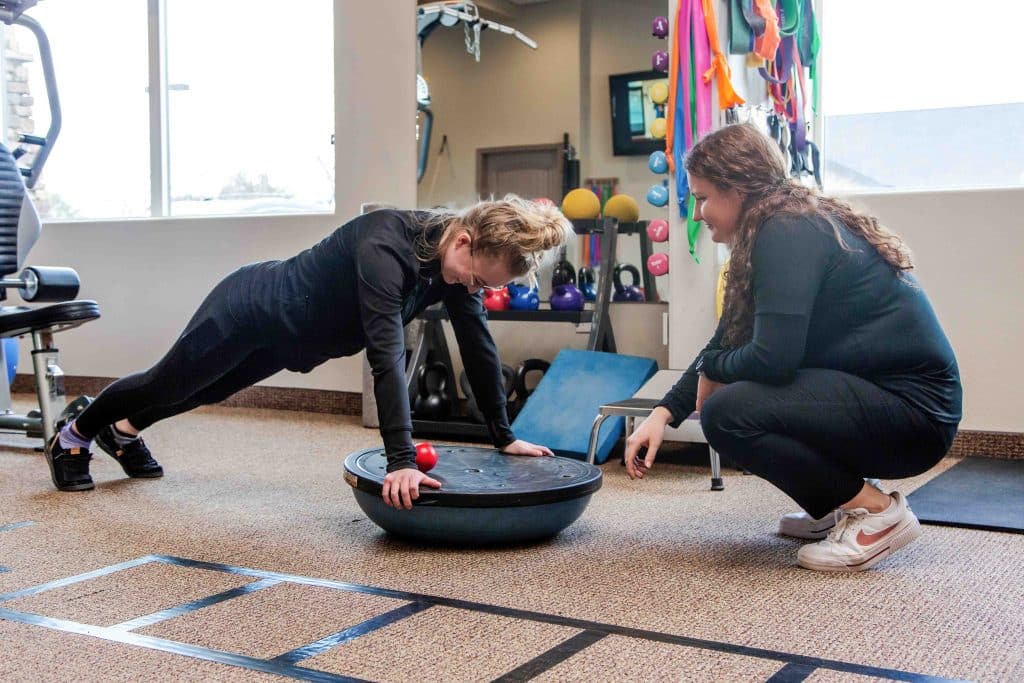
Rehabilitation after rotator cuff surgery is a critical step toward regaining pain-free movement and maintaining shoulder stability. The rotator cuff, made up of four key muscles—supraspinatus, teres minor, infraspinatus, and subscapularis—provides essential support and allows your shoulder to rotate and lift. These muscles, while vital, are also susceptible to tears, which can occur due to chronic wear and tear or sudden injuries. When a tear significantly affects your daily activities or causes persistent pain, surgery often becomes a necessary step to restore function.
- Key Facts:
- The rotator cuff stabilizes and moves the shoulder.
- Tears can result from wear over time or sudden injuries.
- Surgery might be needed if tears affect daily activities or don’t heal with rest.
As someone who has dedicated their career to alleviating suffering through improved physical therapy, I, Bryan Wright, have seen the transformative power of a well-executed rehabilitation plan after rotator cuff surgery. With my experience, I aim to provide guidance on this journey to pain-free movement. Now, let’s explore what rotator cuff repair involves and how proper rehab can set you on the path to recovery.
Understanding Rotator Cuff Repair Surgery
Rotator cuff tears can sneak up on you. Often, they start with nagging shoulder pain or weakness when lifting your arm. Some people experience a popping sensation or limited range of motion. If these symptoms sound familiar, it might be time to consider medical intervention.
Surgical Techniques
When a tear in the rotator cuff severely impacts your life, surgery may be the best option. The surgery aims to repair the torn tendons and restore shoulder function. Techniques vary, but the most common is arthroscopic surgery. This minimally invasive procedure uses small incisions and a camera to guide the surgeon, making it less painful and reducing recovery time.
- Common Techniques:
- Arthroscopy: Minimally invasive, quicker recovery.
- Open Surgery: Used for larger tears, involves a bigger incision.
Tendon Repair
During the procedure, the surgeon reattaches the torn tendon to the bone. Sometimes, they may use sutures or tiny anchors to secure the tendon. The goal is to allow the tendon to heal and regain strength over time.
“The status of the rotator cuff was much better than was predicted,” said Dr. Craig Morgan after examining a patient’s shoulder, highlighting the variability in tear severity and recovery expectations.
Recovery Expectations
Recovery from rotator cuff surgery is a marathon, not a sprint. Expect a few months of healing before you can fully use your shoulder again. Initially, your shoulder will be swollen and tender. Over time, with the help of rehabilitation after rotator cuff surgery, you’ll regain strength and flexibility.
- Recovery Timeline:
- Initial Weeks: Focus on pain management and passive motion.
- Months 2-3: Begin active motion and light strengthening.
- Months 4-6: Advance to more intensive exercises and return to daily activities.
The journey to full recovery requires patience and dedication, but with the right support and guidance, you will regain your shoulder’s strength and functionality. Now, let’s dig into the rehabilitation process, which is crucial for achieving pain-free movement and getting back to your favorite activities.
Rehabilitation After Rotator Cuff Surgery
Rehabilitation after rotator cuff surgery is a structured journey that helps you regain shoulder function and strength. This process is divided into distinct phases, each with specific goals and exercises.
Early Recovery Phase
In the early recovery phase, the focus is on protecting the shoulder and managing pain. Your arm will be in a sling to allow the tendon to heal. This phase typically lasts for the first 6-8 weeks.
- Sling Usage: Wear your sling at all times, except during specific exercises or as directed by your physician.
- Passive Range of Motion: Engage in gentle movements to prevent stiffness. This means someone else or your other hand moves your arm for you.
- Pain Management: Use ice and prescribed medications to manage discomfort. This is crucial for a smooth recovery.
Active Motion and Strengthening
Once you have mastered passive motion, you move into the active motion phase. This is where you start to take control of your shoulder movements.
- Active-Assisted Exercises: Begin exercises that allow you to use your own muscles with some assistance. This could involve using your healthy arm or tools like pulleys.
- Initial Strengthening: At around 10 weeks post-surgery, you can start light strengthening exercises. Focus on resistance bands for gentle resistance.
- Timeline: This phase usually spans from weeks 8-12, depending on your progress.
Advanced Strengthening and Return to Activity
In the final phase, the goal is to regain full strength and return to your daily activities, including sports if desired.
- Weight-Bearing Exercises: Begin exercises that involve supporting your body weight, like push-ups against a wall.
- Sport-Specific Training: If you’re an athlete, incorporate movements specific to your sport to ensure you’re ready for the game.
- Full Recovery Timeline: Full recovery can take up to 6-12 months, so patience is key. Consistent practice and gradual progression are essential.
This structured approach ensures that you regain shoulder strength safely and effectively. With dedication and the right support, you’ll be back to your usual activities, pain-free.
Conclusion
At Wright Physical Therapy, we understand that rehabilitation after rotator cuff surgery is more than just exercises—it’s about your journey to a pain-free life. Our approach is rooted in personalized care, ensuring each patient receives a custom plan that aligns with their unique needs and recovery goals.
Patient Education is a cornerstone of our philosophy. We believe that informed patients have better outcomes. From understanding the intricacies of your surgery to knowing what each phase of rehabilitation entails, we empower you with the knowledge to actively participate in your recovery.
Our team of expert therapists combines compassionate competence and great character to support you every step of the way. We prioritize open communication and continuous feedback, adjusting your rehabilitation plan as you progress. This ensures that you not only recover but thrive.
Successful outcomes are our ultimate goal. Whether you’re looking to return to sports, work, or simply enjoy daily activities without pain, we’re here to guide you. With our evidence-based techniques and unwavering support, you’ll achieve the strength and mobility you need to live your life to the fullest.
Ready to start your journey to recovery? Learn more about our post-surgical rehabilitation services and how we can help you regain pain-free movement. Let’s work together to achieve your recovery goals.