
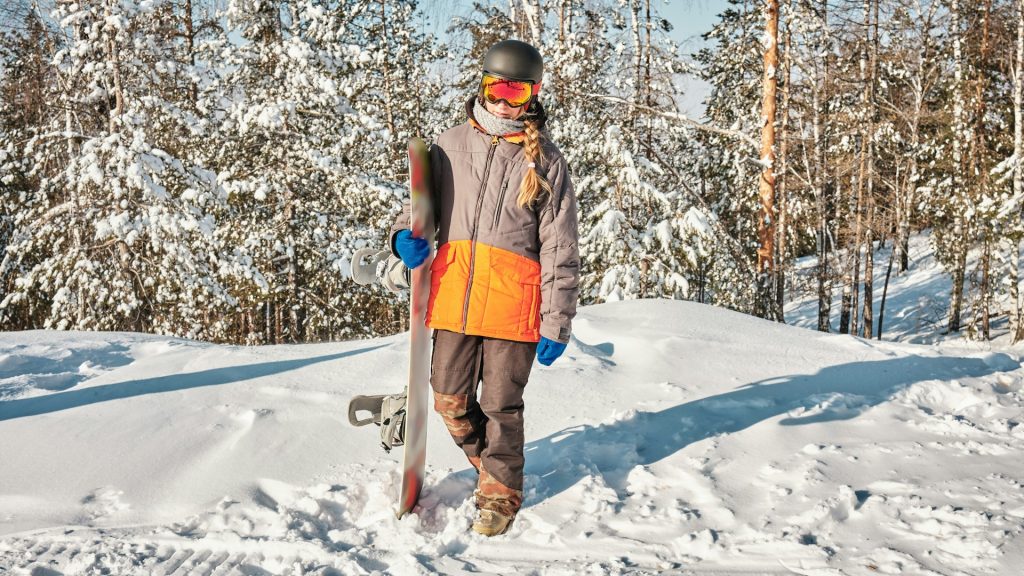
When the snow hits and winter sports kick off in Twin Falls, there’s no shortage of ways to stay active. Skiing, snowboarding, ice skating, and even winter hiking bring excitement and a great way to move your body. But with all that fun comes a real need for proper recovery time. Muscles get tight, joints take a beating, and small pains can quickly grow into larger problems if left unchecked.
Winter recovery isn’t just something athletes or seasoned skiers need to think about. Everyday folks who love to play in the snow or just stay active during colder months benefit too. Whether your back feels sore after a day on the mountain or your knees ache after shoveling your driveway, the way you recover matters. That recovery helps your body feel better now and keeps you going through the whole season.
Importance Of Proper Recovery After Winter Sports
Winter sports demand a lot from your body. The cold weather alone makes muscles tighten up more than usual, and the uneven, slippery surfaces can lead to some awkward landings or sudden slips. After a long day on the slopes or trails, your body needs time and the right kind of support to bounce back.
Ignoring that soreness or pushing through pain might seem okay at first, but it often leads to more serious problems. A sore lower back can turn into ongoing stiffness. Swollen knees can lead to instability. And if you’re already dealing with something like joint pain or an old injury, winter activities can make it worse. Recovery gives your muscles and joints a break. More importantly, it keeps those minor aches from turning into something that could take weeks or even months to heal.
Listening to your body is always the first step, but that doesn’t mean stopping everything. The goal is active recovery. That includes low-impact movements, using gentle therapies, and getting help from skilled professionals when needed. Often, a recovery plan is what allows people to stay active all season long. Whether you’re getting back into shape or just trying to keep an old injury from flaring up, a focus on recovery can make all the difference.
Effective Recovery Practices At Home
There are a few simple ways to support your winter sports recovery from home. Keeping your body moving in the right way helps reduce stiffness and supports long-term joint health. Cold weather can make your muscles feel tighter, so regular stretching and light exercise indoors really helps.
Here are a few useful habits to work into your recovery routine:
1. Stretching and Mobility Work
Gentle stretches for your hamstrings, hips, shoulders, and back improve flexibility and reduce soreness. Try lying hamstring stretches, cat-cow for your spine, and shoulder rolls.
2. Heat Therapy
Use a heated blanket or warm compress on sore spots to improve blood flow and ease tight muscles. A warm bath can help too, especially after a long day in the snow.
3. Balanced Nutrition
Make sure you’re eating protein-rich meals with enough healthy fats and carbs. This supports muscle repair and overall recovery.
4. Stay Hydrated
Cold weather can trick you into drinking less water, but your body still needs it to repair tissues and reduce inflammation.
Doing these things consistently helps speed up recovery, especially after intense physical activity. If you’re tight, sore, or just not bouncing back like you used to, it may be time to bring in expert help. Waiting too long or trying to push through can lead to bigger setbacks, and no one wants winter memories spoiled by long-term pain.
Preventive Measures To Minimize Injuries
Taking steps to prevent injuries is important when engaging in any kind of physical activity, especially in winter sports where conditions can change quickly. A simple warm-up and cool-down routine goes a long way in preparing your body for exertion and helping it recover afterward. Before hitting the slopes or trails, try some dynamic stretches such as leg swings, arm circles, or light jogging in place to get your blood flowing and muscles ready.
Using the right equipment also plays a big role in injury prevention. Make sure all your gear fits properly and is designed for your specific activity. This is helpful for providing the support and protection you need. For example, wearing a helmet during snowboarding or skiing can help reduce the risk of head injuries, while proper footwear can help maintain balance on icy surfaces.
Recognizing and responding to early signs of injury is just as important. If you start feeling discomfort or pain during your activities, don’t ignore it. Rest and seek guidance from a professional if needed. Early help can prevent minor aches from becoming more significant problems that could sideline you for the rest of the season.
Benefits Of Physical Therapy In Twin Falls
For those living in Twin Falls, access to professional physical therapy can improve the recovery experience. Personalized recovery plans are made based on what each person needs, taking into account the specific nature of their pain or injury. Physical therapists work with you to develop a strategy that speeds up healing and strengthens areas of concern.
Expert guidance from physical therapists means you’re not just doing exercises correctly, but also doing the right ones for your situation. Their support can help you recover from injuries or improve how you move. Through targeted exercises and therapies, they’ll work with you to regain your strength and flexibility so you can get back to the activities you enjoy.
In Twin Falls, there are many stories of individuals finding real relief and progress through physical therapy. From a snowboarder recovering from a knee strain to a winter hiker who struggled with back pain, success often started with getting the right support at the right time.
Keep Enjoying Winter Sports Safely
Embracing an active winter lifestyle is all about keeping balance. Staying active during the colder months helps your body stay fit and your spirits stay lifted. It’s important though to pay attention to how your body feels and give it the care it needs. Recovery, prevention, and expert help are all part of the routine for staying healthy well into the season.
Whether you’re trekking through snowy trails or maintaining your usual workout routine indoors, taking care of your body now helps you avoid downtime later. Proper support and smart habits give you the best chance of enjoying every moment winter has to offer. When you’re supported by a team that understands your needs, you’re better set up for more snow-filled fun without the setbacks.
Looking to stay active and pain-free this winter? Discover how personalized recovery plans at Wright Physical Therapy in Twin Falls can support your long-term wellness goals. Our expert therapists are here to help you move better, feel stronger, and get back to doing what you love—safely and confidently all season long.