
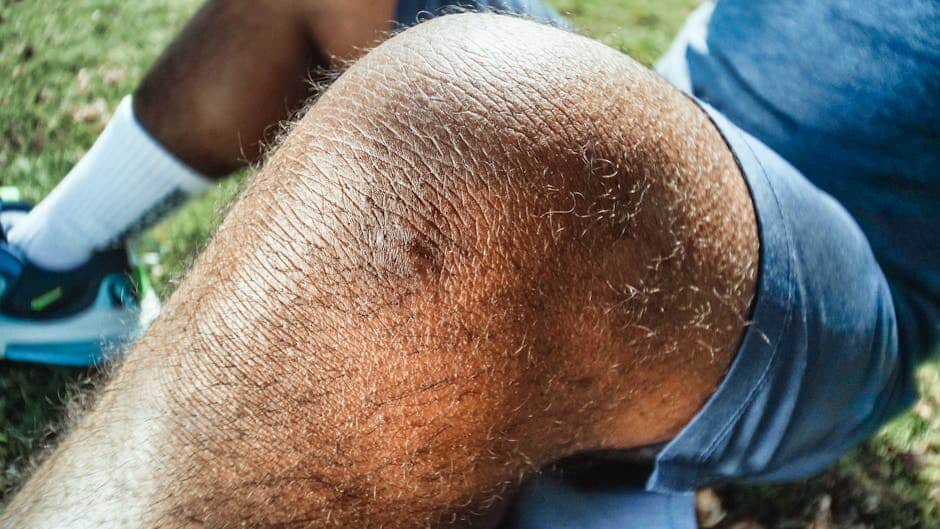
Finding Relief: Acute Gout Knee Treatment Options
If you’re experiencing the intense pain of a gout attack in your knee, you need immediate relief. Here’s a quick overview of acute gout knee treatment options:
-
Medications (start within 24 hours):
- NSAIDs (ibuprofen, naproxen) at maximum dosage
- Low-dose colchicine (1.2 mg, then 0.6 mg one hour later)
- Corticosteroids (oral or injectable)
-
Home remedies:
- Ice for 20 minutes several times daily
- Rest and lift the affected knee
- Drink 8-10 glasses of water daily
- Avoid alcohol and high-purine foods
-
When to see a doctor:
- Pain not improving after 48 hours
- High fever or signs of infection
- Extremely severe pain or swelling
Few things in life are more painful than a gout flare in your knee. That sudden, intense burning sensation that makes even the slightest movement unbearable. Acute gout knee treatment focuses on reducing inflammation, managing pain, and preventing future attacks.
Gout is a form of inflammatory arthritis caused by uric acid crystals forming in your knee joint. These sharp, needle-like crystals trigger severe inflammation, making your knee red, swollen, and extremely tender to touch. Unlike other forms of arthritis that develop gradually, gout attacks come on suddenly—often waking you in the middle of the night.
The good news? With prompt treatment, most gout attacks can be controlled within days. Without treatment, they typically last 1-2 weeks. And with the right approach, you can reduce your risk of future flare-ups significantly.
At Wright Physical Therapy, we understand how debilitating knee gout can be. We’ll explore effective treatments to help you find relief fast and strategies to prevent recurrence so you can get back to living your life pain-free.
Acute gout knee treatment definitions:
Knee Gout 101: Symptoms, Diagnosis, and Triggers
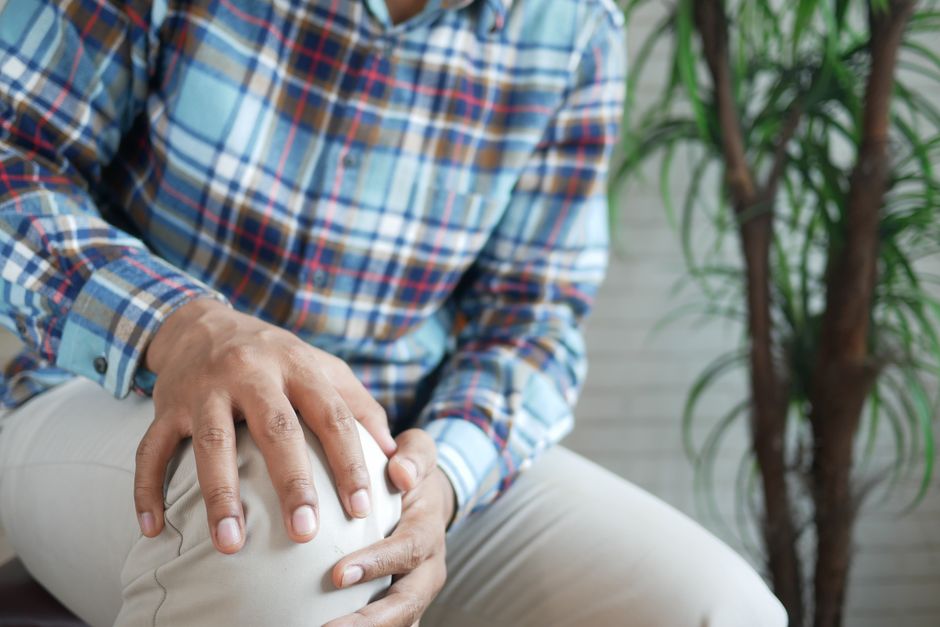
Did you know gout affects more than 8 million Americans? According to the Centers for Disease Control and Prevention (CDC), it is the most common inflammatory arthropathy in the United States. While most people associate gout with the big toe (about 50% of first-time attacks happen there), your knee is another frequent target. Understanding what’s happening inside your knee during a gout attack is crucial for getting the right treatment.
Here’s what’s really going on: excess uric acid in your bloodstream forms sharp, needle-like crystals in your joint. Your body naturally produces uric acid when breaking down purines—substances found in your body and certain foods. Normally, uric acid dissolves in your blood and exits through your kidneys. But sometimes your body either makes too much uric acid or your kidneys can’t keep up, leading to that painful buildup.
If you’ve experienced gout in your knee, you’ll recognize these telltale signs: sudden, severe pain that often wakes you at night, redness and warmth around your knee, noticeable swelling, limited movement, and skin that looks shiny and may even peel as the attack subsides.
What makes knee gout particularly challenging is the joint’s size and importance. With more surface area for crystal deposits, knee gout can create widespread pain throughout the joint. And since we depend on our knees for almost everything—walking, standing, climbing stairs—a gout attack here can literally stop you in your tracks.
Spotting an Attack Early
The earlier you recognize a gout attack, the sooner you can begin acute gout knee treatment. Most attacks follow a predictable pattern that’s helpful to know:
Most gout flares start suddenly, often in the middle of the night (there’s nothing quite like being jolted awake by your screaming knee). The pain typically reaches its worst point within 6-12 hours and peaks within 24-48 hours. Without treatment, you’re looking at 1-2 weeks of discomfort as it gradually resolves.
Pay attention to early warning signs like mild aching in your knee, slight warmth or redness, stiffness, or just that odd feeling that something isn’t right. If you’ve had gout before and recognize these signals, starting treatment immediately might prevent a full-blown attack.
Confirming the Diagnosis & Common Triggers
While gout symptoms are pretty distinctive, they can sometimes be confused with other conditions like pseudogout, septic arthritis, or a knee injury. Getting the right diagnosis matters for proper treatment.
The gold standard for diagnosing gout is joint fluid analysis—your doctor draws fluid from your knee joint with a needle and examines it under a polarized microscope. Finding monosodium urate crystals confirms it’s gout. Blood tests can measure uric acid levels (though interestingly, many people with high uric acid never develop gout, while some with normal levels do). Your doctor might also use ultrasound to detect crystal deposits, dual-energy CT scans to visualize urate deposits, or X-rays (though these usually appear normal in early gout).
According to the American College of Rheumatology, gout is likely if you have rapid pain onset reaching maximum intensity within 24 hours, intense pain in a single joint (monoarticular arthritis), redness, previous similar attacks, and lifted uric acid levels (serum urate ≥6.8 mg/dL).
Understanding what triggers your gout attacks can help prevent future episodes. Dietary factors like high-purine foods (red meat, organ meats, certain seafood), alcohol (especially beer), and sugary beverages are common culprits. Medications including diuretics, low-dose aspirin, and some blood pressure medicines can increase risk. Physical factors such as joint injury, surgery, sudden illness, or rapid weight loss often trigger attacks. Other contributors include dehydration, obesity, and genetics (thanks, Mom and Dad!).
At Wright Physical Therapy, we help patients identify their personal triggers and develop strategies to manage them, reducing the frequency and severity of future attacks. Understanding your knee gout is the first step toward effective management and relief.
Acute Gout Knee Treatment & Long-Term Protection

When that fiery pain of gout strikes your knee, you need relief—and fast. Acute gout knee treatment isn’t just about masking pain; it’s about tackling inflammation head-on, shortening your suffering, and protecting your joint from lasting damage.
The good news? With the right approach, you can turn the corner on even the most painful attack and get back to normal life sooner than you might think.
First 24 Hours: Acute Gout Knee Treatment Essentials
Those first 24 hours are your golden window. Jump on treatment quickly and you’ll bounce back faster—much faster. Studies show that while only 16% of untreated patients feel significantly better after a day, a whopping 73% of properly treated folks report major relief in the same timeframe.
Your doctor will likely recommend one of these front-line treatments:
NSAIDs like ibuprofen or naproxen work quickly to calm inflammation. Your doctor might suggest maximum doses until your symptoms improve, then continuing for another day or two to prevent rebound. These familiar medications pack a powerful punch against gout’s inflammatory cascade when used at prescription strength.
Colchicine has been used for gout for centuries, but modern approaches are much gentler. The current recommendation is a low-dose strategy: 1.2 mg right away, followed by 0.6 mg an hour later. This approach, highlighted in a groundbreaking study on colchicine dosing, provides the same relief with 40% fewer side effects compared to older high-dose regimens.
Corticosteroids like prednisone (typically 30-40 mg daily) can dramatically reduce inflammation when other options aren’t suitable. For knee gout specifically, getting a steroid injection directly into the joint often brings blessed relief within hours.
Joint aspiration serves double duty—your doctor removes some fluid to confirm the diagnosis under a microscope while also reducing pressure in the joint. When followed by a steroid injection, many patients report significant improvement almost immediately.
Medication Choices & Comorbidity Adjustments
Your health history matters when choosing gout treatments. What works beautifully for one person might be risky for another.
If you’re managing kidney disease, NSAIDs could further stress your kidneys. Your doctor might lower your colchicine dose if your kidney function is compromised (especially if your eGFR is below 30), or steer you toward carefully monitored corticosteroid treatment instead.
Living with heart disease? NSAIDs might increase your cardiovascular risk. While colchicine has shown some surprising heart benefits in recent research, your cardiologist should weigh in on the safest approach for your specific situation.
For those balancing diabetes, corticosteroids can send blood sugar levels soaring. If steroids are necessary, expect to monitor your glucose more frequently and possibly adjust your diabetes medications temporarily.
If you have a history of stomach ulcers or GI bleeding, your doctor might pair an NSAID with a stomach-protecting medication like a proton pump inhibitor, or skip NSAIDs entirely in favor of other options.
Medication interactions matter too. Colchicine, for instance, can reach dangerous levels when combined with certain antibiotics, antifungals, or heart medications that affect the CYP3A4 enzyme system. Always give your healthcare provider a complete list of everything you take—even over-the-counter products and supplements.
Home Care, Physical Therapy, and Acute Gout Knee Treatment Prevention
Beyond medications, several home approaches can speed your recovery and complement your acute gout knee treatment.
Ice is nice for gout pain. Apply a cold pack wrapped in a thin towel for 20 minutes several times daily. The cold constricts blood vessels, reducing inflammation and numbing pain signals. Just don’t apply ice directly to your skin.
Elevation works wonders. Prop your knee above heart level on pillows to help reduce swelling through the natural effects of gravity. This simple step can significantly improve comfort, especially when combined with rest.
If you need to move around, consider using a cane on the opposite side of your affected knee. This offloads pressure and reduces strain on your painful joint while maintaining mobility.
Hydration helps healing. Aim for 8-10 glasses of water daily to help your kidneys flush excess uric acid. Some patients find relief with lemon water—a small study suggested citrus might help lower uric acid levels naturally.
Once the worst pain subsides, gentle physical therapy can restore motion and strength. At Wright Physical Therapy, we develop personalized programs that progress from gentle range-of-motion exercises to targeted strengthening of the quadriceps and hamstrings that support your knee joint.
When to Call the Doctor + Long-Term Outlook

Some situations call for immediate medical attention. Don’t hesitate to seek help if you develop a fever above 101°F, notice extreme redness or warmth spreading beyond the joint, or if your pain remains unbearable despite treatment. These could signal an infection requiring urgent care.
You should also contact your doctor if symptoms haven’t improved after 48 hours of self-treatment, you can’t put weight on your leg, or if this is your first suspected gout attack.
Looking ahead, many people need a long-term management plan, especially if you’ve had two or more attacks in a year. Medications like allopurinol or febuxostat can lower uric acid production, while probenecid helps your kidneys eliminate more uric acid. These aren’t for acute attacks—they’re preventive measures that work over time.
Your doctor will likely aim to get your uric acid levels below 6 mg/dL (or even lower if you have visible tophi). This target helps dissolve existing crystal deposits and prevents new ones from forming.
At Wright Physical Therapy locations throughout Idaho—from Twin Falls to Boise, Meridian to Jerome—our therapists collaborate with your medical team to create a comprehensive plan addressing both immediate relief and long-term joint protection. Our approach combines hands-on techniques with personalized exercise programs to restore function and prevent future limitations.
With proper medical care, lifestyle adjustments, and targeted physical therapy, most people with gout can lead active, pain-free lives. The key is responding quickly to attacks while working steadily on prevention. For more detailed information about managing gout in your knees, visit our dedicated page on gout in knees treatment.
Conclusion: Taking Control of Knee Gout
Living with gout doesn’t mean resigning yourself to recurrent attacks of debilitating knee pain. With prompt acute gout knee treatment and a proactive approach to prevention, you can significantly reduce both the frequency and severity of flare-ups.
The key takeaways for managing knee gout effectively:
- Act quickly: Start treatment within the first 24 hours of an attack for best results
- Choose the right medication: Work with your healthcare provider to select NSAIDs, colchicine, or corticosteroids based on your individual health profile
- Complement with home care: Use ice, rest, elevation, and proper hydration to improve recovery
- Address the underlying cause: Consider uric acid-lowering therapy if you have recurrent attacks
- Incorporate physical therapy: Once the acute phase subsides, build strength and mobility to protect your knee
At Wright Physical Therapy, we understand that each patient’s experience with gout is unique. Our compassionate team across Idaho—from Twin Falls to Boise, Meridian to Jerome—is committed to helping you recover from acute attacks and develop strategies to prevent future episodes.
Whether you’re experiencing your first gout flare or managing a chronic condition, we’re here to support your journey toward pain-free mobility. Our personalized approach combines evidence-based treatments with education and encouragement, empowering you to take control of your joint health.
Don’t let gout keep you from the activities you love. With the right treatment plan and support team, you can kick knee gout to the curb and get back to living your best life.