
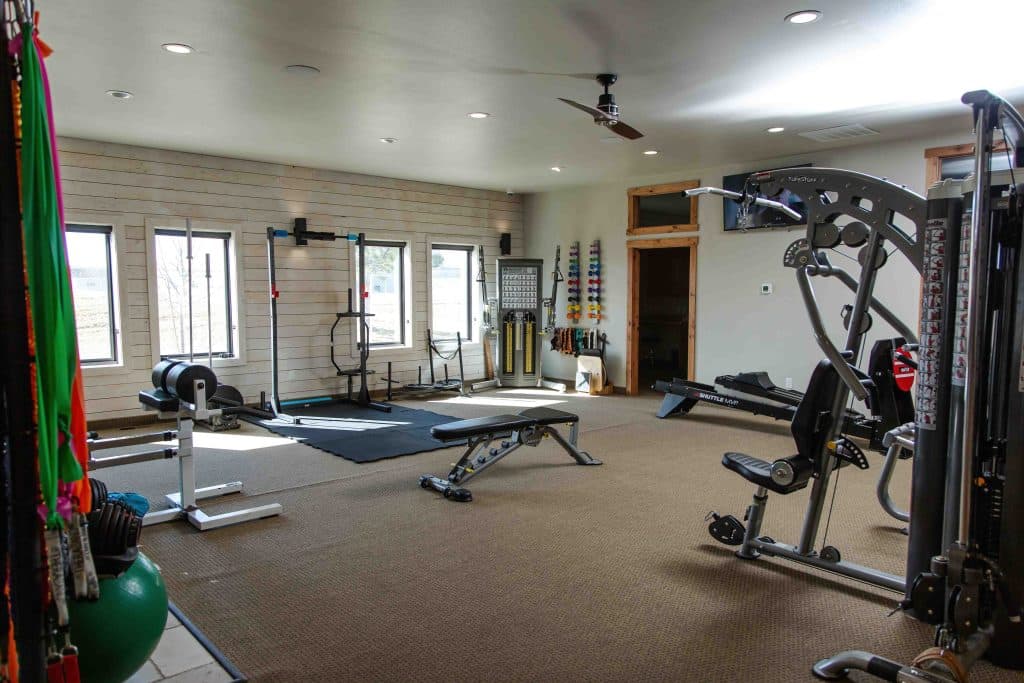
When it comes to advanced exercises for knee replacement, focusing on recovery goals like muscle strengthening and joint stability can make a world of difference. Boosting the strength of the quadriceps and hamstrings is crucial since these muscle groups play a key role in stabilizing your knee. Here are some advanced exercises you should know about:
- Seated knee extensions with resistance: Use ankle weights or resistance bands to improve your quadriceps strength.
- Wall squats and bridges: Ideal for building endurance and the ability to hold correct postures.
- Standing knee bends: Engage both hamstring and gluteal muscles for balanced muscle development.
I’m Bryan Wright, and my focus has always been on creating joyful experiences by alleviating suffering through expert physical therapy. With a deep understanding of advanced exercises for knee replacement, I’ve dedicated my career to advancing high-skilled physical therapy treatments and creating positive recovery environments. Let’s explore these exercises and gain the most from your recovery journey!
Advanced Exercises for Knee Replacement
When recovering from knee replacement surgery, focusing on advanced exercises can significantly improve your muscle strength and joint stability. Let’s break down some key exercises that target essential muscle groups like the quadriceps and hamstrings.
Seated Knee Extensions
Seated knee extensions are a fantastic way to strengthen your quadriceps. Here’s how you can do them with added resistance:
- Sit comfortably on a chair with your feet flat on the floor.
- Attach ankle weights or use a resistance band tied around your ankle and a sturdy chair leg.
- Straighten your knee as much as you can, engaging your quadriceps.
- Hold for a few seconds, then slowly lower your leg back down.
Repeat this exercise until you feel muscle fatigue. As it becomes easier, increase the weight or resistance to continue challenging your muscles.
Wall Squats and Bridges
Wall squats and bridges help build endurance and improve posture. They target both the quadriceps and gluteal muscles, essential for knee stability.
-
Wall Squats: Stand with your back against a wall. Bend your knees, sliding down until you’re in a seated position. Hold this pose for at least 15 seconds. As you get stronger, try adding weight resistance by holding a dumbbell or kettlebell.
-
Bridges: Lie on your back with knees bent and feet flat on the floor. Lift your hips towards the ceiling by contracting your gluteal muscles. Be mindful not to arch your lower back. Hold the position, then lower your hips back down slowly. For an added challenge, place a weight on your abdomen.

Standing Knee Bends and Deadlifts
Standing knee bends and deadlifts engage the hamstrings and gluteal muscles, promoting balanced muscle development.
-
Standing Knee Bends: Stand with your hands on a stable surface for support. Attach an ankle weight and slowly bend your knee, bringing your heel towards your buttocks. Lower your foot back to the floor with control. This exercise helps improve both strength and coordination.
-
Deadlifts: Start in a standing position holding a broomstick or hand weights. Keep a slight bend in your knees and hinge from your hips, lowering the weights to mid-shin level. Focus on contracting your gluteal muscles as you return to standing. This exercise not only strengthens your hamstrings but also improves overall control and stability.
By incorporating these advanced exercises into your routine, you can effectively strengthen the quadriceps and hamstrings, crucial for a successful recovery. Keep challenging your muscles by gradually increasing resistance and weight as you progress. Up next, we’ll explore additional techniques for improved recovery, including low-impact exercises and the use of specialized equipment.
Additional Techniques for Improved Recovery
When it comes to recovering from knee replacement surgery, incorporating low-impact exercises is key to improving cardiovascular health and flexibility. Let’s explore how specific exercise equipment and water-based activities can aid in your recovery journey.
Use of Exercise Equipment
Using exercise equipment like the elliptical, stationary bike, and recumbent bike can be beneficial for your recovery. These machines provide a low-impact workout that is gentle on your joints while still promoting cardiovascular fitness.
-
Elliptical: This machine offers a smooth, gliding motion that mimics walking without the impact. It’s a great way to get your heart rate up and improve leg strength without putting extra stress on your knees. Start with short sessions and gradually increase your time as you become more comfortable.
-
Stationary Bike: Cycling is an excellent way to improve knee flexibility and strength. Begin with a low resistance setting and short sessions. As your strength improves, you can increase the resistance and duration. Ensure your seat is adjusted so your knee is only slightly bent at the bottom of the pedal stroke.
-
Recumbent Bike: For those who need extra back support, a recumbent bike is ideal. It provides a comfortable seating position while allowing you to work on your leg muscles and cardiovascular health. Like the stationary bike, start with low resistance and gradually increase it.
Incorporating Water-Based Activities
Water-based activities such as swimming and water aerobics are joint-friendly and provide an excellent way to exercise without stressing your knees.
-
Swimming: The buoyancy of water supports your body, reducing the impact on your joints. Start with gentle swimming strokes or simply walk in the pool to get started. Swimming not only improves cardiovascular health but also improves flexibility and muscle strength.
-
Water Aerobics: Joining a water aerobics class can offer structured exercises custom to recovery. The resistance of the water helps build strength while the buoyancy minimizes joint stress. Plus, being in a group setting can boost motivation and make exercising more enjoyable.
By incorporating these low-impact exercises and utilizing equipment and water-based activities, you can improve your recovery process. These methods not only support cardiovascular health but also improve flexibility and muscle strength, essential for optimal recovery. Next, we’ll dig into the importance of personalized care and patient education in achieving the best recovery outcomes.
Conclusion
At Wright Physical Therapy, we understand that personalized care and patient education are crucial elements in achieving optimal recovery after knee replacement surgery. Our approach is designed to empower you with the knowledge and skills needed to take charge of your recovery journey.
Personalized Care: We believe that each patient’s recovery path is unique. That’s why our experienced therapists work closely with you to develop a customized treatment plan custom to your specific needs and goals. Whether it’s adjusting exercise routines or providing hands-on techniques, our team is dedicated to ensuring you receive the most effective care possible.
Patient Education: Education is a powerful tool in recovery. We take the time to explain each exercise, its purpose, and how it contributes to your overall rehabilitation. Understanding the “why” behind your therapy can increase motivation and adherence to your exercise program, which is vital for success.
Optimal Recovery Strategies: Our strategies focus on long-term recovery, emphasizing consistency and progression. From advanced exercises that target key muscle groups to incorporating low-impact activities like swimming and cycling, our goal is to help you regain strength, flexibility, and confidence in your new knee.
By choosing Wright Physical Therapy, you’re not just receiving treatment; you’re gaining a partner in your recovery journey. Our compassionate and knowledgeable team is here to support you every step of the way, ensuring you achieve the best possible outcomes.
Ready to start your path to recovery? Contact us today to schedule an appointment with our dedicated physical therapists. Your journey to optimal recovery begins here.