

Arthritis pain relief is a topic of great concern for many people worldwide who suffer from this chronic condition. Managing arthritis pain often involves a combination of physical therapy, lifestyle changes, and medical treatments. For those seeking quick insights into effective strategies, here are some key methods:
- Engage in low-impact exercises, such as swimming and cycling.
- Maintain a healthy weight to reduce stress on joints.
- Consider over-the-counter pain medications like ibuprofen or acetaminophen.
- Explore alternative therapies, such as acupuncture and massage.
- Use assistive devices to improve mobility and reduce pain.
Arthritis is not just about joint pain; it’s about improving quality of life through targeted pain management strategies. At Wright Physical Therapy, we focus on personalized physical therapy solutions to help manage and alleviate arthritis pain. Our approach emphasizes not only quick recovery but also equipping you with knowledge to prevent future issues.
I’m Bryan Wright, dedicated to relieving pain and improving lives through skilled physical therapy treatments. My work aims to improve environment and care quality for those dealing with arthritis pain, fostering a community-focused approach to health and wellness. Let’s dig deeper into how you can manage arthritis effectively.
Arthritis pain relief word roundup:
– arthritis
– arthritis medication
– osteoarthritis self-care
Lifestyle Changes for Arthritis Pain Relief
Exercise and Physical Therapy
Exercise is a cornerstone of managing arthritis pain effectively. It might seem counterintuitive, but low-impact activities can significantly help reduce pain and stiffness. Think swimming, cycling, or even walking. These activities help keep your joints moving without adding stress.
Stretching and strength training are also crucial. They improve flexibility and build muscle around the joints, offering better support. At Wright Physical Therapy, our custom exercise programs focus on these areas to ensure you get the most benefit with the least discomfort.
“Regular exercise can improve symptoms,” says the Arthritis Foundation. “It’s about finding the right balance and types of exercises that work for you.”
Weight Management
Excess weight adds stress to your joints, especially the knees, hips, and lower back. By maintaining a healthy diet and aiming for gradual weight loss, you can significantly reduce joint stress and pain. Use a healthy weight calculator to check your BMI and see if you’re in the healthy range.
Losing even a small amount of weight can make a big difference. It’s not about drastic diets but making sustainable changes. Aim for a balanced diet with plenty of fruits, vegetables, lean proteins, and whole grains. Your GP or a nutritionist can help you create a plan that suits your needs.
Smoking Cessation
Smoking is not just bad for your lungs; it also affects your joints. The toxins in cigarette smoke put stress on connective tissues, leading to increased pain. Quitting smoking can be a game-changer in managing arthritis pain.
The American Academy of Orthopaedic Surgeons highlights that smoking cessation can improve musculoskeletal health. By quitting, you reduce inflammation and improve the body’s ability to repair itself.
Making these lifestyle changes can be challenging, but they are powerful steps toward effective arthritis pain relief. At Wright Physical Therapy, we support your journey with personalized care and community-focused wellness strategies. Let’s move forward to explore medications and topical treatments.
Medications and Topical Treatments
When it comes to arthritis pain relief, medications and topical treatments can play a significant role. They help manage pain and inflammation, allowing you to move more comfortably and engage in daily activities.
Over-the-Counter Medications
For many people, over-the-counter (OTC) options are the first line of defense against arthritis pain. Common choices include:
-
Ibuprofen and naproxen: These are nonsteroidal anti-inflammatory drugs (NSAIDs) that help reduce inflammation and pain. They are effective for mild to moderate arthritis pain but should be used with caution to avoid stomach irritation.
-
Acetaminophen: Known for its pain-relieving properties, acetaminophen is a good choice if you cannot tolerate NSAIDs. However, it does not reduce inflammation.
It’s important to follow dosing instructions carefully and consult with a healthcare provider if you have any concerns or if the pain persists.
Prescription Medications
When OTC medications aren’t enough, prescription options might be necessary. These include:
-
Corticosteroids: These powerful anti-inflammatory medications can be taken orally or injected directly into the joint. They provide quick relief but are usually prescribed for short-term use due to potential side effects.
-
Disease-Modifying Antirheumatic Drugs (DMARDs): These are used for specific types of arthritis, like rheumatoid arthritis, to slow disease progression and preserve joint function.
-
Opioids: In cases of severe pain where other treatments are ineffective, opioids may be prescribed. However, they come with risks of dependence and side effects like nausea and constipation, so they are typically reserved for short-term use.
Topical Treatments
Topical treatments offer a targeted approach to pain relief, with fewer systemic side effects. Options include:
-
Capsaicin cream: Derived from chili peppers, capsaicin works by blocking pain signals. It may cause a burning sensation initially, but this usually decreases with regular use.
-
Menthol: Often found in creams and gels, menthol provides a cooling sensation that can distract from pain. It’s a popular choice for temporary relief.
-
NSAID creams: These are applied directly to the skin over painful joints. They are especially useful for hand and knee arthritis, offering pain relief with reduced risk of gastrointestinal side effects compared to oral NSAIDs.
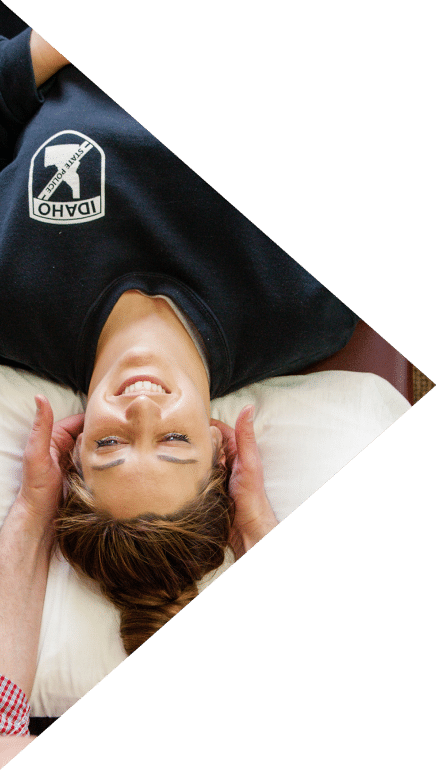
Each treatment option has its own benefits and limitations, so it’s crucial to work with your healthcare provider to find the best fit for your needs. At Wright Physical Therapy, we aim to provide comprehensive care, including guidance on effective medication use, to support your journey toward better joint health.
Next, we’ll explore alternative and supportive therapies that complement these treatments and further improve your quality of life.
Alternative and Supportive Therapies
When it comes to managing arthritis pain, alternative and supportive therapies can be a game-changer. These methods focus on enhancing your body’s natural healing processes, offering pain relief and improving your overall well-being.
Acupuncture and Massage
Acupuncture is an ancient practice that involves inserting tiny needles into specific points on the body. According to experts, it helps release endorphins, the body’s natural painkillers, and can increase blood flow, which may reduce inflammation and pain. While some people notice improvements within a few sessions, others might need several weeks to feel the full benefits.
Massage therapy is another excellent option for relieving arthritis pain. It involves manipulating muscles and soft tissues to promote relaxation and improve circulation. Regular massage sessions can help reduce muscle tension, improve range of motion, and provide temporary relief from pain and stiffness. Be sure to inform your massage therapist about the specific areas affected by arthritis to tailor the treatment effectively.

Heat and Cold Therapy
Heat therapy involves using heating pads, hot baths, or warm paraffin wax to soothe aching joints. The warmth helps relax muscles and increase circulation, providing temporary relief. However, use heat sources safely to avoid burns—limit heating pad use to no more than 20 minutes at a time.
Cold therapy, on the other hand, involves applying ice packs to sore muscles. This method is particularly effective after strenuous activities, as it can reduce inflammation and numb the area, offering pain relief. Alternating between heat and cold therapies can be a practical approach to managing arthritis symptoms.
Assistive Devices
Assistive devices can significantly improve your quality of life by reducing joint stress and making daily tasks easier. Here are some commonly used devices:
-
Canes and walkers: These provide extra support and stability, helping to reduce the load on your joints, especially in the knees and hips.
-
Shoe inserts: Custom orthotics can help distribute weight more evenly and provide cushioning, which may alleviate pain in the feet, knees, and hips.
-
Splints and braces: These devices support and stabilize affected joints, reducing pain and preventing further damage.
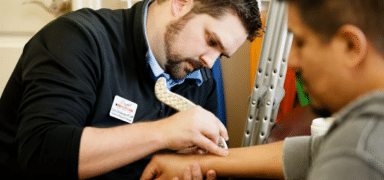
By integrating these alternative and supportive therapies into your routine, you can improve your arthritis pain management strategy. At Wright Physical Therapy, we offer personalized care plans that include these therapies to help you lead a more comfortable and active life.
In the next section, we’ll discuss how an integrated approach, combining various treatment methods, can provide comprehensive support for arthritis sufferers.
Conclusion
Arthritis pain relief is not a one-size-fits-all solution. An integrated approach that combines multiple treatment methods can offer the most effective results. At Wright Physical Therapy, we believe in a holistic strategy that addresses the root cause of pain while enhancing overall well-being.
Personalized Care
Every individual is unique, and so is their experience with arthritis. We take pride in offering personalized care custom to each patient’s specific needs. Our team of compassionate and skilled therapists works closely with you to develop a treatment plan that aligns with your lifestyle and goals. This personalized approach ensures that you receive the most appropriate and effective care for managing your arthritis pain.
Community Impact
Wright Physical Therapy is deeply committed to making a positive impact in our community. We strive to educate patients and empower them with the knowledge and tools needed to manage their condition effectively. By focusing on community outreach and patient education, we aim to raise awareness about arthritis and its management, helping more people lead healthier and more active lives.
In conclusion, managing arthritis pain effectively requires a comprehensive and integrated approach. At Wright Physical Therapy, we are dedicated to providing compassionate and competent care that not only alleviates pain but also improves your quality of life. If you’re ready to take control of your arthritis pain, contact us today to learn more about how we can help you live a more comfortable and active life.