
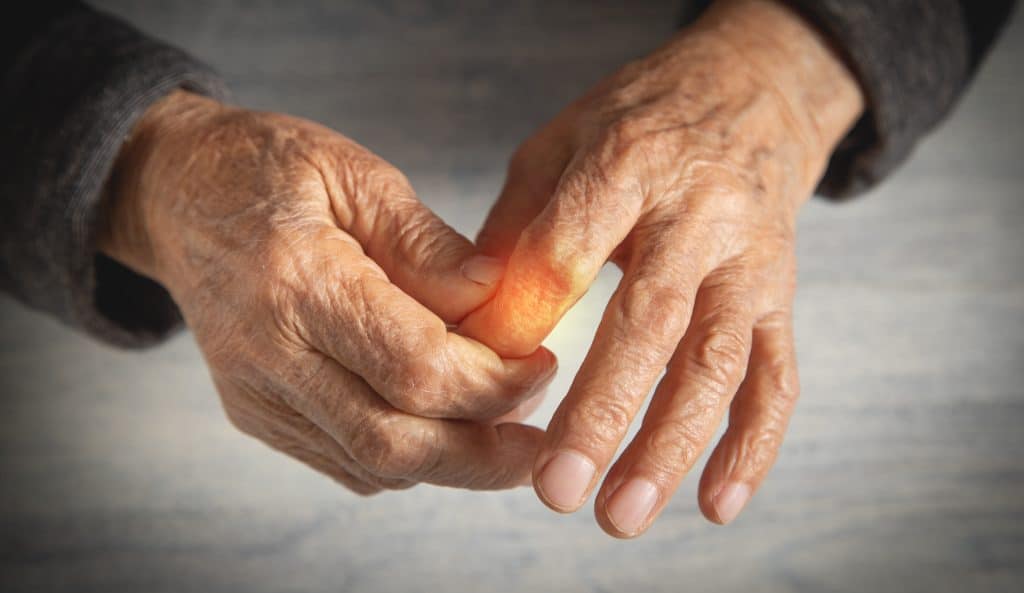
Finger joint pain treatment is essential for those battling the discomfort that affects many daily activities. Whether you’re picking up objects, typing, or simply going about your routine, aggravated joints can make these tasks challenging. To quickly address this, consider these steps:
- Rest the affected finger when possible.
- Apply an ice pack for 20 minutes every couple of hours.
- Use over-the-counter pain relief, such as ibuprofen.
- Avoid activities that worsen the pain.
- Seek ergonomic tools to ease strain.
If these strategies don’t alleviate the pain, it’s crucial to consult a healthcare professional to prevent further damage or complications.
I’m Bryan Wright, and I’ve dedicated my career to alleviating pain and enhancing quality of life through high-skilled physical therapy. My expertise in finger joint pain treatment stems from years of practice, innovating effective, non-invasive solutions to help individuals regain their daily joy and function. In the sections that follow, you’ll find in-depth insights and professional tips on managing finger joint pain effectively.
Finger joint pain treatment terms to remember:
Understanding Finger Joint Pain
Finger joint pain can be a real obstacle in your daily routine. Understanding its causes and symptoms is the first step toward effective relief.
Common Causes
Finger joint pain can arise from various sources. Here’s a breakdown of the most common causes:
-
Injury-Related Pain: Injuries like sprains and strains are frequent culprits. A sprain involves damage to the ligaments, while a strain affects the tendons. Both can cause significant discomfort and limit your finger’s movement.
-
Arthritis: This is a major cause of joint pain. There are two main types:
- Osteoarthritis (OA): Often referred to as “wear-and-tear” arthritis, OA occurs when the cartilage in your joints wears down over time. It’s particularly common in the fingers.
-
Rheumatoid Arthritis (RA): An autoimmune disorder where the body’s immune system attacks its own joints, causing inflammation and pain.
-
Tendonitis: This condition involves inflammation of the tendons, often due to repetitive use or strain. It’s characterized by pain and swelling around the affected joints.
Symptoms to Watch For
Recognizing symptoms early can help you manage finger joint pain more effectively. Here are key symptoms to keep an eye on:
-
Swelling: Swollen joints are a common sign of both injury and arthritis. Swelling can lead to stiffness and reduced range of motion.
-
Stiffness: If you experience difficulty moving your fingers, especially in the morning, it could be a sign of arthritis or another joint issue.
-
Numbness: This might indicate nerve involvement, often seen in conditions like carpal tunnel syndrome. It’s important to address numbness promptly to prevent further complications.
Being aware of these causes and symptoms can guide you in seeking appropriate treatment options. If you notice persistent pain or any of these symptoms, consulting a healthcare professional is crucial for proper diagnosis and management.
Finger Joint Pain Treatment
Finding relief from finger joint pain can significantly improve your quality of life. Let’s explore some at-home remedies and medical interventions that can help.
At-Home Remedies
RICE Therapy
For minor injuries like sprains and strains, the RICE method is a tried-and-true approach:
- Rest: Avoid using the injured finger to prevent further strain.
- Ice: Apply an ice pack for 20 minutes, several times a day, to reduce swelling.
- Compression: Wrap the finger with a bandage, but not too tightly, to minimize swelling.
- Elevation: Keep the finger raised above heart level to decrease blood flow and swelling.
Pain Relief Methods
-
Over-the-Counter Medications: Non-prescription pain relievers like ibuprofen (Advil) and acetaminophen (Tylenol) can help manage pain and inflammation. Ensure these are safe for you based on your medical history.
-
Buddy-Taping: For added support, tape the injured finger to an adjacent one. This helps stabilize the joint while it heals.
Medical Interventions
If at-home remedies aren’t enough, medical interventions might be necessary.
Physical therapy is a highly effective treatment for finger joint pain. Therapists can guide you through exercises that improve strength, flexibility, and mobility. This approach not only reduces pain but also improves overall hand function.
Steroid Injections
For more severe inflammation, healthcare providers may recommend corticosteroid injections. These can provide quick relief by reducing swelling and pain in the affected joint.
Surgery Options
In cases where conservative treatments fail, surgery might be considered. Surgical options can range from repairing damaged tendons to joint replacement, depending on the underlying issue.
By understanding these finger joint pain treatment options, you can take proactive steps toward managing and alleviating your symptoms. If pain persists, consulting with a healthcare professional for a personalized treatment plan is essential.

Next, we’ll dig into lifestyle and prevention tips to help you manage and prevent finger joint pain in the long term.
Lifestyle and Prevention Tips
Managing Arthritis
Living with arthritis doesn’t mean you can’t take control of your symptoms. Here are some practical tips to help manage arthritis and prevent finger joint pain.
Hand Exercises
Regular exercises can increase flexibility and reduce pain. Simple movements, like making a fist or stretching your fingers wide, can strengthen hand muscles. Start with gentle exercises and gradually increase intensity. Consistency is key.
Ergonomic Tools
Using tools designed to minimize strain can make daily tasks easier. Look for utensils with larger grips or pens that are easier to hold. These adaptations reduce stress on your joints, making activities less painful.

Healthy Habits
Adopting a healthy lifestyle can make a big difference. Maintain a balanced diet to support joint health, and stay hydrated. Regular physical activity, even light exercises, can help keep your joints flexible.
Splints/Braces
Splints or braces provide support and stability to affected joints. They can reduce pain and prevent further damage. Your healthcare provider can recommend the best type for your needs and guide you on how long to wear them.
Anti-Inflammatory Medications
Over-the-counter anti-inflammatory medications, like ibuprofen, can help reduce swelling and pain. Always consult your doctor before starting any new medication, especially if you have existing health conditions.
Lifestyle Changes
Small changes can lead to significant improvements. Avoid repetitive motions that strain your fingers. If you work at a desk, ensure your workspace is set up to reduce stress on your hands.
By integrating these strategies into your daily routine, you can effectively manage arthritis and reduce finger joint pain. Next, we’ll look at how Wright Physical Therapy can provide personalized care to support your journey.
Conclusion
At Wright Physical Therapy, we understand that finger joint pain treatment is not just about alleviating discomfort—it’s about empowering you to live a fuller life. Our approach combines personalized care with community impact, ensuring that you receive not only effective treatment but also a supportive environment.
Personalized Care
Each patient’s journey is unique, and so is our care. We tailor our physical therapy programs to address your specific needs, focusing on the root cause of your pain. Whether it’s through targeted exercises, ergonomic advice, or hands-on therapy, our goal is to help you regain mobility and reduce pain. Our compassionate and competent team is dedicated to guiding you every step of the way.
Community Impact
Wright Physical Therapy is more than just a healthcare provider; we are an integral part of the communities we serve. With multiple locations across Idaho, we are committed to making a positive impact. We engage in community events and educational programs to promote health and wellness. By fostering a sense of community, we aim to inspire and support our patients beyond the clinic walls.
In conclusion, managing finger joint pain effectively requires a comprehensive approach. Through personalized care and a strong community presence, Wright Physical Therapy is here to support you on your journey to better health. Together, we can help you find relief and improve your quality of life.