

Introduction
Hands-on physical therapy is a treatment approach that involves the physical therapist using their hands to manage musculoskeletal pain, injuries, or disabilities. This can include techniques like massage, joint mobilization, and myofascial release. Here’s a quick overview:
- Direct Pain Relief: Techniques that help reduce pain on the spot.
- Improved Mobility: Enhancing joint movement and flexibility.
- Personalized Care: Tailored treatment plans based on individual needs.
Physical therapy plays a crucial role in maintaining and improving your health, whether you’re dealing with chronic pain or recovering from a recent injury. Engaging in hands-on physical therapy can transform your health in multiple ways, including pain relief, increased mobility, and faster recovery times.
🎨 Infographic showing benefits
What is Hands-On Physical Therapy?
Hands-on physical therapy is a specialized approach where physical therapists use their hands to assess, diagnose, and treat musculoskeletal pain and dysfunction. Unlike hands-off methods that rely on devices or machines, hands-on techniques involve direct physical manipulation to address the root cause of your issues.
Techniques Used in Hands-On Physical Therapy
Hands-on physical therapy encompasses several techniques aimed at relieving pain, improving mobility, and promoting overall health. Here are some common methods:
- Manual Therapy: This involves manipulating muscles, fascia, nerves, and joints to reduce pain and improve function. Techniques include joint mobilization and soft tissue mobilization.
- Massage Therapy: More than just a spa treatment, therapeutic massage helps to relax muscles, reduce swelling, and improve blood circulation.
- Myofascial Release: This technique focuses on relieving tension in the fascia, the connective tissue that surrounds muscles and organs. It helps break up adhesions and improve tissue flexibility.
Manual Therapy
Manual therapy is a cornerstone of hands-on physical therapy. It includes:
- Joint Mobilization: Slow, controlled movements to increase range of motion and alleviate pain.
- Soft Tissue Techniques: Deep pressure and rhythmic stretching to break up scar tissue and adhesions, promoting better blood flow and tissue health.
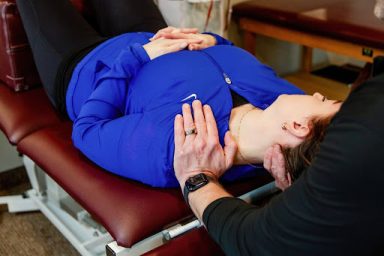
Massage Therapy
Massage in a therapeutic setting is aimed at treating specific issues rather than general relaxation. Techniques can include:
- Deep Tissue Massage: Targets deeper layers of muscle and connective tissue to relieve chronic pain and muscle tension.
- Trigger Point Therapy: Focuses on releasing tight areas within the muscle tissue, known as trigger points, that cause localized pain.
Myofascial Release
Myofascial release is a technique where therapists apply gentle, sustained pressure to the fascia. This helps:
- Eliminate Adhesions: Breaks down knots and adhesions in the connective tissue.
- Improve Flexibility: Enhances the range of motion by loosening tight fascia.
Hands-on physical therapy provides a comprehensive approach to treating various conditions. By focusing on the source of pain and dysfunction, these techniques can lead to significant improvements in your overall health and well-being.
Next, let’s dive into the specific benefits you can expect from hands-on physical therapy.
Benefits of Hands-On Physical Therapy
Hands-on physical therapy offers a range of benefits that can significantly improve your quality of life. Here are some of the key advantages:
Pain Reduction
One of the primary goals of hands-on physical therapy is to reduce pain. Whether you’re dealing with chronic pain or recovering from an injury, techniques like soft tissue massage and joint manipulation can help alleviate discomfort. For example, friction massage increases circulation and breaks up scar tissue, which promotes healing and reduces pain.
Increased Mobility
Improving your mobility and flexibility is another crucial benefit. Techniques such as joint mobilization involve slow, repetitive movements that increase the range of motion in your joints. This is particularly beneficial for those suffering from conditions like arthritis or those recovering from surgery.
Improved Circulation
Hands-on therapy can also enhance your circulation. By manipulating muscles and connective tissues, therapists can increase blood flow to specific areas. This not only helps in reducing swelling and inflammation but also speeds up the healing process. Passive stretching and soft tissue massage are particularly effective in boosting circulation.
Muscle Relaxation
Lastly, muscle relaxation is a significant benefit of hands-on physical therapy. Techniques like myofascial release and trigger point therapy target tight muscles and fascia, helping to release tension and reduce stiffness. This can be especially helpful for those who experience muscle tension from stress or physical activity.
Hands-on physical therapy provides a comprehensive approach to treating various conditions. By focusing on the source of pain and dysfunction, these techniques can lead to significant improvements in your overall health and well-being.
Next, let’s dive into the specific techniques used in hands-on physical therapy.
Common Techniques in Hands-On Physical Therapy
Massage Therapy
Massage therapy offers many benefits, from relaxing tight muscles to improving circulation and reducing stress. Physical therapists use various massage techniques to help patients. These can include:
- Swedish massage: Gentle strokes to relax muscles and improve blood flow.
- Deep tissue massage: Firm pressure to reach deeper muscle layers and relieve chronic pain.
- Sports massage: Focused on areas of the body that are stressed from repetitive movements.
Massage therapy can be a powerful tool for pain relief and muscle relaxation.
Manual Therapy
Manual therapy is a hands-on technique used to treat pain and improve mobility. It includes several methods:
- Joint mobilization: Gentle movements to increase joint function and reduce pain. This technique can help with conditions like arthritis and frozen shoulder.
- Soft tissue techniques: Direct pressure on muscles and fascia to relax tight areas and improve flexibility. This can help with conditions like muscle strains and tendonitis.
Manual therapy is effective in restoring movement and reducing discomfort.
Trigger Point Therapy
Trigger point therapy focuses on relieving pain in specific areas called trigger points. A trigger point is a tight spot in a muscle that can cause pain in other parts of the body. For example, a trigger point in the back might cause neck pain.
The technique involves applying pressure to the trigger point and then releasing it. This helps to reduce muscle constriction and alleviate referred pain. Trigger point therapy can be used alone or with other techniques like massage.
Myofascial Release
Myofascial release targets the fascia, which is the connective tissue that surrounds muscles and organs. The goal is to improve the flexibility of these tissues, aiding in mobility and reducing scarring.
Therapists use gentle, sustained pressure to encourage the fascia to release. This can help with conditions like chronic pain and restricted movement. Myofascial release is particularly useful for patients with fibromyalgia or post-surgical scars.
Hands-on physical therapy techniques like these offer tailored solutions for various conditions. They aim to reduce pain, improve mobility, and enhance overall well-being.
Next, let’s explore how hands-on physical therapy can transform your health.
How Hands-On Physical Therapy Can Transform Your Health
Hands-on physical therapy can be a game-changer for many people. Here’s how it can transform your health in four key areas: chronic pain management, post-injury recovery, increased functionality, and psychological benefits.
Chronic Pain Management
Chronic pain affects millions of people. It can make even the simplest tasks feel impossible. Hands-on physical therapy can help manage this pain in a few ways:
-
Pain Reduction: Techniques like joint mobilization and soft tissue manipulation help to reduce pain by addressing its source. For example, a study found that manual therapy can activate the body’s natural pain-relief mechanisms, known as the endogenous opiate system.
-
Improved Mobility: By breaking up adhesions and realigning scar tissue, hands-on therapy can restore movement and reduce stiffness. This is particularly effective for conditions like arthritis or chronic lower back pain.
-
Long-Lasting Relief: Unlike medications that provide temporary relief, hands-on physical therapy aims to offer lasting solutions by treating the root cause of pain.
Post-Injury Recovery
Injuries can sideline you from your daily activities and favorite sports. Hands-on physical therapy can speed up your recovery process:
-
Tailored Treatment: Therapists adjust techniques to fit your specific injury. For example, aggressive joint mobilization might not be suitable for someone healing from a fracture, but gentle mobilization can be very effective.
-
Enhanced Healing: Manual techniques improve blood flow and reduce inflammation, which promotes faster healing. This is crucial for athletes and active individuals looking to get back in the game.
-
Prevent Future Injuries: Therapists not only treat the injury but also educate you on how to avoid reinjury. This includes teaching proper body mechanics and recommending exercises for strength and flexibility.
Increased Functionality
Whether you’re recovering from surgery or dealing with a chronic condition, improved functionality is often a primary goal.
-
Strength and Flexibility: Hands-on therapy helps to stretch and strengthen muscles, improving your overall physical capabilities. This can make everyday tasks easier and less painful.
-
Better Balance: Techniques like joint mobilization and muscle activation can improve your balance, reducing the risk of falls and other injuries.
-
Enhanced Performance: If you’re an athlete, manual therapy can help you achieve peak performance by optimizing your body’s mechanics and reducing muscle tension.
Psychological Benefits
Physical health and mental well-being are closely linked. Hands-on physical therapy offers several psychological benefits:
-
Reduced Anxiety: Knowing that you’re actively working to improve your condition can reduce anxiety and stress. Many patients report feeling more at ease after sessions.
-
Improved Confidence: As you regain strength and mobility, your confidence in your body’s abilities will grow. This can lead to a more active and fulfilling lifestyle.
-
Holistic Healing: Hands-on therapy treats the whole person, not just the symptoms. This holistic approach can improve your overall quality of life, making you feel better both physically and mentally.
By addressing these areas, hands-on physical therapy provides a comprehensive approach to health and well-being. It’s not just about treating symptoms; it’s about transforming your life.
Next, let’s dive into some frequently asked questions about hands-on physical therapy.
Frequently Asked Questions about Hands-On Physical Therapy
What conditions can hands-on physical therapy treat?
Hands-on physical therapy can treat a wide variety of conditions. These include:
- Chronic Pain: Conditions like arthritis, fibromyalgia, and chronic back pain can benefit from techniques like massage and joint mobilization.
- Injuries: Sports injuries, car accidents, and work-related injuries often require hands-on therapy for optimal recovery.
- Post-Surgical Recovery: After surgeries like joint replacements or tendon repairs, hands-on therapy helps in regaining mobility and strength.
- Neurological Conditions: Stroke, multiple sclerosis, and cerebral palsy can also see improvements with targeted hands-on techniques.
- Musculoskeletal Issues: Problems like sciatica, tendonitis, and bursitis can be effectively managed with manual therapy.
How does hands-on physical therapy differ from hands-off techniques?
Hands-on physical therapy involves direct physical manipulation by the therapist. Techniques include massage, joint mobilization, and myofascial release. These methods focus on the source of the problem and involve direct contact.
Hands-off techniques, on the other hand, may include exercises, stretches, and the use of equipment like resistance bands or machines. These are often used to complement hands-on methods, focusing on strengthening and flexibility.
Key Differences:
– Direct Contact: Hands-on therapy involves the therapist’s touch, while hands-off relies on tools and exercises.
– Immediate Feedback: The therapist can adjust techniques in real-time based on your responses during hands-on sessions.
– Customization: Hands-on methods can be tailored more precisely to your specific needs.
What should I expect during my first hands-on physical therapy session?
Your first session is an initial evaluation. Here’s what typically happens:
- Assessment: Your therapist will ask about your medical history, current symptoms, and goals. They may also perform tests to evaluate your balance, flexibility, range of motion, and strength.
- Discussion: Expect questions about what makes your pain worse or better, and any previous treatments you’ve tried.
- Hands-On Techniques: Depending on your condition, the therapist might start with gentle hands-on techniques like massage or joint mobilization.
- Home Exercises: You may be given simple exercises to do at home to complement your in-office treatment.
- Comfort Tips: Wear comfortable clothing that allows easy access to the treatment area. Bring any relevant medical records or imaging results.
This initial session helps the therapist create a personalized treatment plan tailored to your needs.
Next, let’s explore the long-term health benefits and community impact of hands-on physical therapy.
Conclusion
Long-term Health Benefits
Hands-on physical therapy offers numerous long-term health benefits. By targeting the root causes of pain and dysfunction, this approach can lead to sustained pain relief and improved mobility. For example, techniques like joint mobilization and myofascial release not only provide immediate relief but also help in realigning scar tissue and breaking up adhesions for better long-term movement.
Consistent therapy can also lead to enhanced muscle strength and joint flexibility, making daily activities easier and reducing the likelihood of future injuries. Furthermore, hands-on therapy can improve circulation and reduce inflammation, which are critical for overall well-being.
Wright Physical Therapy: Commitment to Excellence
At Wright Physical Therapy, we are dedicated to providing top-notch care tailored to each patient’s unique needs. Our therapists are highly skilled and continually update their training to offer the most effective treatments available. This commitment ensures that each patient receives personalized, high-quality care aimed at speeding recovery and improving quality of life.
We are not just focused on immediate relief; we aim for long-term health and wellness. Our holistic approach combines advanced therapeutic techniques with a heartfelt commitment to enhancing our patients’ well-being.
Community Impact
Our involvement in the community goes beyond providing excellent physical therapy services. We actively participate in local events and support charitable initiatives. By choosing Wright Physical Therapy, you are not just getting the best care; you are also contributing to our broader social mission. We donate a portion of our revenue to organizations dedicated to protecting and empowering children, enriching our practice and deepening our community bonds.
Patient Education
Empowerment through education is a cornerstone of our practice. We ensure every patient understands their treatment plan and the reasons behind each therapy or exercise. This knowledge helps alleviate symptoms and equips patients with the tools to manage their health and prevent future issues.
Our health blog is a valuable resource for current and prospective patients, offering insights and tips to maintain optimal health. By staying informed, our patients can better manage their conditions and make educated decisions about their health.
Join Us on Your Wellness Journey
By choosing Wright Physical Therapy, you are opting for a path to recovery that is compassionate, comprehensive, and deeply connected to the community. We invite you to join our family and experience the transformative power of hands-on physical therapy.
For more information on our services and how we can help you achieve your health goals, please visit our Boise Physical Therapy location. Together, let’s move towards a healthier future.