
Understanding Partial Knee Replacement Rehabilitation
When it comes to partial knee replacement rehabilitation protocol, the focus is on ensuring a smooth and complete recovery. Here’s what you need to know upfront:
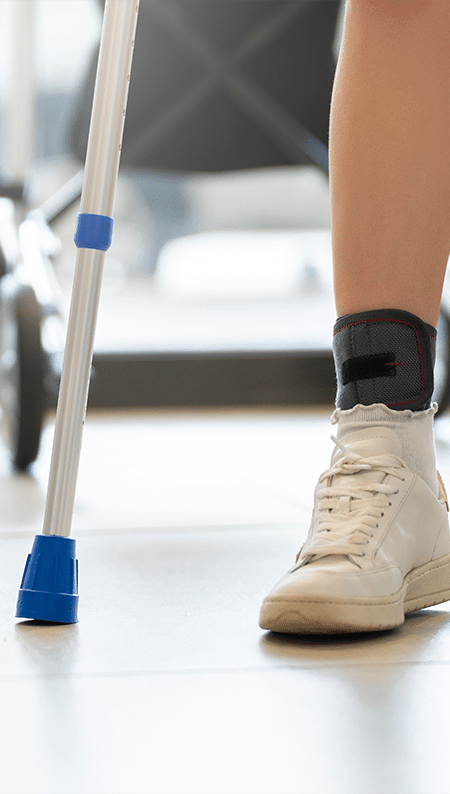
- Full weight bearing with crutches, a walker, or cane until good walking mechanics are demonstrated.
- Avoid bending the knee more than 90 degrees for the first two weeks to protect sutures.
- Gradually increase knee extension and strength.
- No leg extension machines at any point.
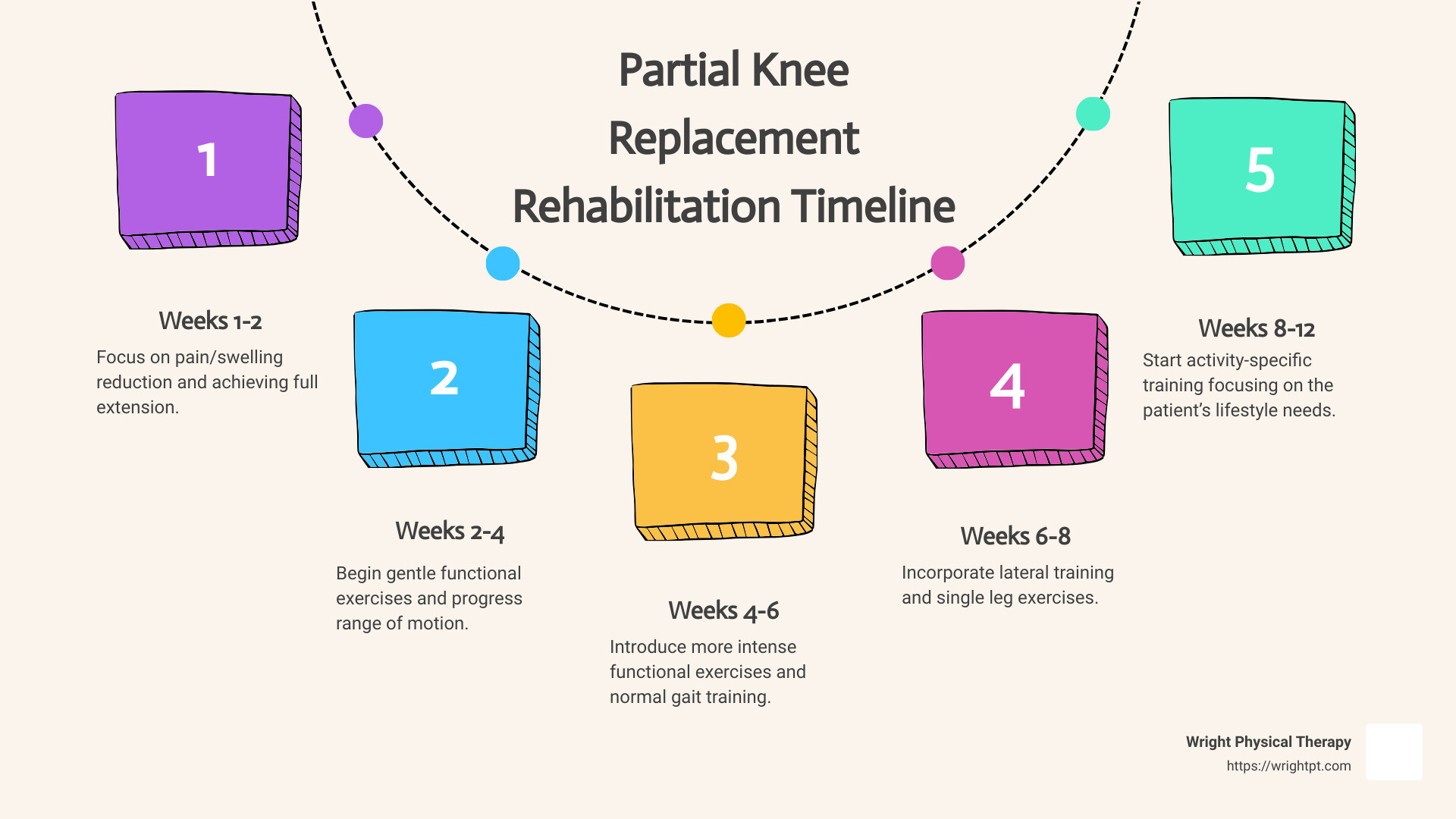
The rehab timeline typically follows these phases:
- Weeks 1-2: Emphasis on pain/swelling reduction and achieving full extension.
- Weeks 2-4: Begin gentle functional exercises and progress range of motion.
- Weeks 4-6: Introduce more intense functional exercises and normal gait training.
- Weeks 6-8: Incorporate lateral training and single leg exercises.
- Weeks 8-12: Start activity-specific training focusing on the patient’s lifestyle needs.
I am Bryan Wright, an expert in high-skilled physical therapy treatments. With my experience, I aim to ease your journey through partial knee replacement rehabilitation protocols, helping you achieve a pain-free life.
Importance of Rehabilitation
Rehabilitation is critical for regaining mobility and strength after a partial knee replacement. Without proper physical therapy, you risk prolonged pain, stiffness, and even re-injury. Here’s why each aspect of rehabilitation is crucial:
Mobility
Mobility is the ability to move your knee through its full range of motion. Achieving full extension (straightening) and flexion (bending) of your knee is essential. Early emphasis is on achieving full extension equal to the opposite leg as soon as possible.
Case Study: Jane, a 60-year-old avid gardener, struggled with knee pain for years. After her partial knee replacement, she focused on early exercises like straight leg raises and ankle pumps. This helped her regain mobility quickly, allowing her to return to her garden within a couple of months.
Strength
Strength is vital for supporting your knee and preventing future injuries. Early exercises should focus on recruiting the quadriceps, the muscle group at the front of your thigh. This includes quadriceps sets and straight leg raises.
Fact: According to research, early recruitment of the quadriceps can significantly speed up recovery and improve walking mechanics.
Physical Therapy
Physical therapy is your guided path to recovery. A physical therapist will create a personalized exercise program tailored to your needs. This program will include manual therapy, soft tissue mobilizations, and joint mobilizations to reduce pain and swelling.
Quote: “Rehabilitation must match the surgery for optimal gains,” says Bryan Wright, an expert in high-skilled physical therapy treatments.
Exercise Program
A structured exercise program is essential for a full recovery. This includes:
- Early Postoperative Exercises: Quadriceps sets, straight leg raises, and ankle pumps.
- Functional Exercises: Seated and standing marching, hamstring carpet drags, and core stabilization exercises.
- Aerobic Exercises: Bilateral stationary cycling and upper body conditioning.
Statistics: Patients who follow a structured exercise program often achieve full range of motion (0-120 degrees) within 8-12 weeks.
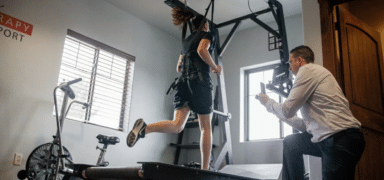
Remember: Consistency is key. Regular exercise, as prescribed by your physical therapist, will help you regain mobility and strength more quickly.
Pain Management
Tip: Use icing and elevation to manage pain and swelling. Ice for 15 minutes every 2 hours, especially in the first week post-surgery.
Rehabilitation is not just about exercises; it’s about regaining your life. With a well-structured program and the right guidance, you can return to your daily activities stronger and more mobile than before.
Next, let’s delve into the specifics of Early Postoperative Exercises to kickstart your recovery journey.
Early Postoperative Exercises
Early postoperative exercises are crucial for your recovery after a partial knee replacement. These exercises help restore knee mobility and strength, reduce pain, and speed up your return to daily activities. Here are some exercises you can start as soon as you feel ready:
Quadriceps Sets
Quadriceps sets are simple but effective. Tighten your thigh muscle and try to straighten your knee. Hold for 5 to 10 seconds. Repeat this exercise about 10 times over two minutes, rest for one minute, and then repeat. Continue until your thigh feels fatigued.
Straight Leg Raises
For straight leg raises, tighten your thigh muscle with your knee fully straightened on the bed. Lift your leg several inches and hold for 5 to 10 seconds. Slowly lower it back down. Repeat until your thigh feels fatigued. You can also do this exercise while sitting, with your leg unsupported.
Ankle Pumps
Ankle pumps improve blood flow and reduce swelling. Move your foot up and down rhythmically by contracting the calf and shin muscles. Perform this exercise for 2 to 3 minutes, two or three times an hour.
Knee Straightening Exercises
For knee straightening exercises, place a small rolled towel just above your heel so it doesn’t touch the bed. Tighten your thigh and try to fully straighten your knee, aiming to touch the back of your knee to the bed. Hold for 5 to 10 seconds. Repeat until your thigh feels fatigued.
Bed-Supported Knee Bends
Bend your knee as much as possible while sliding your foot on the bed. Hold your knee in a maximally bent position for 5 to 10 seconds, then straighten it. Repeat several times until your leg feels fatigued or you can completely bend your knee.
Sitting Supported Knee Bends
Sit at the bedside or in a chair with your thigh supported. Place your foot behind the heel of your operated knee for support. Slowly bend your knee as far as you can and hold for 5 to 10 seconds. Repeat until your leg feels fatigued or you can completely bend your knee.
Sitting Unsupported Knee Bends
While sitting, bend your knee as far as you can until your foot rests on the floor. With your foot lightly resting on the floor, slide your upper body forward in the chair to increase your knee bend. Hold for 5 to 10 seconds. Straighten your knee fully. Repeat several times until your leg feels fatigued or you can completely bend your knee.
Early activity is vital for your recovery. Walking short distances in your hospital room and performing everyday activities will help your knee regain strength and movement.
Next, we will explore Walking and Early Activity to further assist your recovery process.
Walking and Early Activity
Proper walking is crucial to your recovery after partial knee replacement. Initially, you might need assistance, but the goal is to regain independence quickly.
Weight-Bearing
Your orthopaedic surgeon or physical therapist will guide you on how much weight to put on your leg. Initially, you might need to use a walker or crutches to help distribute your weight evenly and prevent strain on your new knee.
Walker or Crutches
Using a walker or crutches helps you maintain balance and stability while walking. Your therapist will show you the correct way to use these aids to avoid putting too much pressure on your knee. Proper walking technique involves:
- Standing tall with your weight evenly distributed.
- Taking small steps to maintain balance.
- Avoiding twisting motions that can strain your knee.
Stair Climbing
Climbing stairs can be challenging after surgery. Follow these tips to make it easier:
- Use the railing for support.
- Lead with your good leg when going up and with your operated leg when going down.
- Take one step at a time to ensure stability.
Early Activity
Soon after surgery, start walking short distances in your hospital room and doing everyday activities. This early activity helps your knee regain strength and movement.
Exercises to include:
- Ankle pumps to improve blood circulation and reduce swelling.
- Heel slides to increase knee flexibility.
- Quadriceps sets to strengthen the muscles around your knee.
By incorporating these activities, you will aid your recovery and get back to your daily routine faster.
Next, we will look into Advanced Exercises and Activities to continue building your strength and mobility.
Advanced Exercises and Activities
Once you’ve mastered early postoperative exercises, it’s time to move on to advanced exercises and activities. These will further build your strength and improve your knee’s range of motion.
Standing Knee Bends
Standing knee bends are crucial for regaining knee flexibility and strength. Here’s how to do them:
- Stand with your feet shoulder-width apart.
- Hold onto a sturdy surface like a chair or countertop for balance.
- Bend your knee, bringing your heel towards your buttocks.
- Hold this position for 5 to 10 seconds.
- Slowly lower your foot back to the ground.
Repeat this exercise until your leg feels fatigued. This will help in improving knee strength and flexibility.
Assisted Knee Bends
Assisted knee bends can help you achieve a greater range of motion with some support:
- Sit on a chair with your feet flat on the floor.
- Place the foot of your non-operated leg behind the heel of your operated knee.
- Slowly bend your operated knee as far as you can, using the non-operated leg for support.
- Hold this position for 5 to 10 seconds.
Repeat several times until your leg feels fatigued. These assisted bends will help you achieve a deeper bend in your knee.
Knee Exercises with Resistance
Adding resistance to your knee exercises can significantly improve muscle strength:
- Theraband TKE (Terminal Knee Extension): Attach a theraband to a sturdy object and loop the other end around your ankle. Straighten your knee against the resistance of the band.
- Weighted Leg Raises: Add a small weight (up to 5 lbs) to your ankle while performing straight leg raises.
These exercises should be done under the supervision of your physical therapist to ensure you’re using the correct form and resistance level.
Exercycling
Exercycling is excellent for improving knee mobility and cardiovascular health:
- Start with a stationary bike set to low resistance.
- Pedal slowly, making sure to complete full rotations.
- Gradually increase the resistance as your strength and endurance improve.
Exercycling can be done daily for 20 to 30 minutes. It’s a low-impact way to keep your knee moving and build endurance.
By incorporating these advanced exercises and activities, you’ll continue to build strength, flexibility, and overall knee function. This will pave the way for a smoother recovery and return to normal activities.
Next, we will delve into the Partial Knee Replacement Rehabilitation Protocol to guide you through the entire recovery process.
Partial Knee Replacement Rehabilitation Protocol
Rehabilitation after a partial knee replacement is crucial for a successful recovery. Here’s what you need to know about the partial knee replacement rehabilitation protocol:
Physical Therapy
Physical therapy starts right after surgery. You’ll begin with simple exercises to improve knee mobility and strength. A physical therapist will guide you through each step, ensuring you’re doing the exercises correctly.
Key Exercises:
– Quadriceps sets: Tighten your thigh muscle and hold.
– Straight leg raises: Lift your leg with a straight knee.
– Ankle pumps: Move your foot up and down.
These exercises help reduce pain and swelling while improving knee function.
Exercise Frequency
Consistency is key. Early on, you’ll do exercises several times a day. For example, you might do quadriceps sets 10 times every hour. As you progress, the frequency may decrease, but the intensity will increase.
Example Schedule:
– Weeks 1-2: Exercises every 2 hours.
– Weeks 3-4: Exercises 3 times a day.
– Weeks 5-6: Exercises daily, focusing on strength and endurance.
Recovery Stages
Recovery is typically broken down into stages, each with specific goals:
Week 1:
– Goals: Reduce pain and swelling, achieve full extension, start weight-bearing with assistance.
– Activities: Icing, elevation, gentle exercises.
Weeks 2-4:
– Goals: Increase range of motion to 90 degrees, start functional activities.
– Activities: Gait training, balance exercises, soft tissue mobilization.
Weeks 4-6:
– Goals: Normalize gait, decrease pain and swelling.
– Activities: More intense functional exercises, joint mobilizations.
Weeks 6-8:
– Goals: Reach 110 degrees active range of motion, 120 degrees passive.
– Activities: Lateral training, single-leg exercises.
Weeks 8-12:
– Goals: Full range of motion, return to low-impact activities.
– Activities: Activity-specific training, road cycling, walking downstairs with reciprocal gait.
Pain Management
Pain management is vital. You’ll use a combination of medication, ice, and elevation to control pain.
Tips:
– Ice: Apply ice for 15 minutes every 2 hours to reduce swelling.
– Elevation: Keep your leg elevated above heart level when resting.
– Medication: Follow your doctor’s advice for pain medication.
Real-Life Example
A study from the ESCAPE trial showed that physical therapy can be as effective as surgery for some knee conditions. This underscores the importance of a well-structured rehab program. Patients who followed their therapy protocols experienced significant improvements in knee function and reduced pain.
By following this partial knee replacement rehabilitation protocol, you’ll be on your way to a successful recovery. Up next, we’ll answer some frequently asked questions about the rehabilitation process.
Frequently Asked Questions about Partial Knee Replacement Rehabilitation Protocol
How long should you do physical therapy after a partial knee replacement?
Physical therapy is crucial for a successful recovery. Typically, outpatient therapy starts right after you leave the hospital. You should expect to continue physical therapy for 6 to 12 weeks. Your therapist will guide you through exercises to improve mobility, strength, and range of motion.
Pro Tip: Consistency is key. Make sure to attend all your therapy sessions and do the prescribed exercises at home.
How long does it take to fully recover from a partial knee replacement?
Recovery time varies for each person. On average, most people can resume normal activities within 3 to 6 months. However, full recovery, including returning to sports or high-impact activities, can take up to 12 months.
Statistics: A study found that people who follow their rehab protocols closely often see better outcomes and faster recovery times.
How much walking should you do after partial knee replacement?
Walking is one of the best exercises for knee recovery. Initially, you may need a walker or crutches. Gradually, you should aim to walk 20 to 30 minutes, two to three times a day. As you get stronger, you can increase the duration and frequency.
Fact: Proper walking helps improve knee mobility and reduces swelling. Always follow your therapist’s advice on how much weight to put on your leg.
By understanding these key aspects of the partial knee replacement rehabilitation protocol, you can set realistic expectations for your recovery journey.
Next, we’ll conclude with how Wright Physical Therapy provides personalized care and supports your recovery.
Conclusion
At Wright Physical Therapy, we believe in personalized care tailored to your unique needs. Our team of licensed physical therapists are movement experts dedicated to helping you regain your strength and mobility after a partial knee replacement.
Community Impact
We are proud to be part of your community, offering comprehensive rehabilitation services that make a real difference in people’s lives. Our approach is patient-centered, ensuring that every individual receives the attention and customized treatment plan they deserve. Whether you’re an athlete or simply looking to return to daily activities, we are here to support you.
Patient Education
We emphasize the importance of patient education in the recovery process. Understanding your rehabilitation protocol helps you set realistic goals and stay motivated. Our therapists will guide you through each stage, from early postoperative exercises to advanced activities, ensuring you know what to expect and how to progress safely.
Call to Action
Ready to start your recovery journey? Schedule an appointment with Wright Physical Therapy today. Let us help you get back to doing the activities you love with confidence and ease.
By choosing Wright Physical Therapy, you’re not just getting top-notch treatment; you’re gaining a partner in your journey to better health and mobility.