
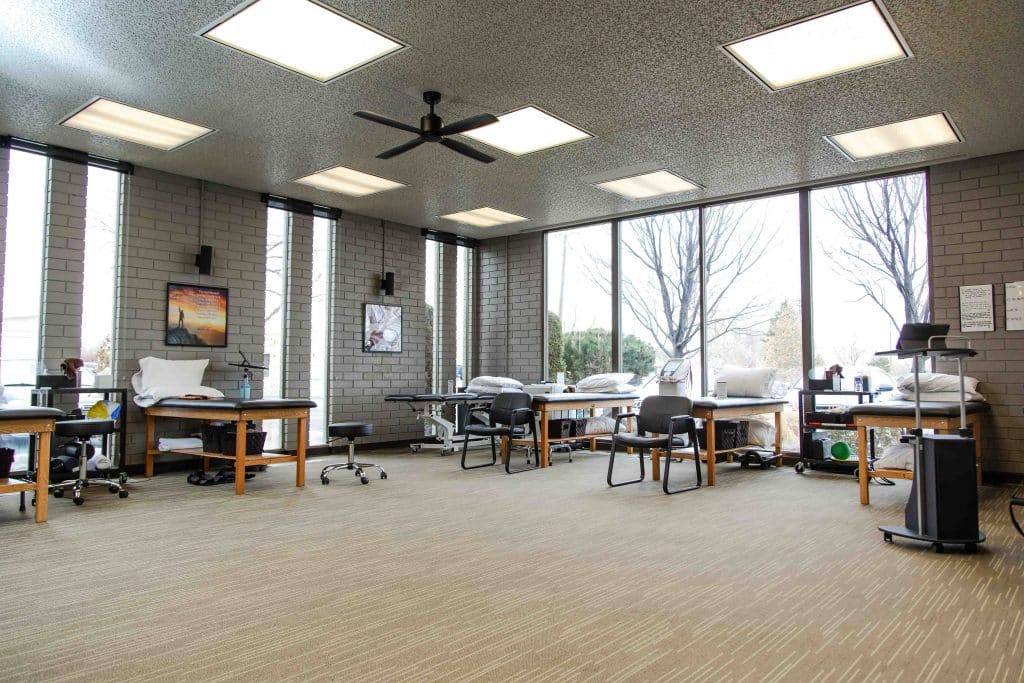
Physical therapy after car accident can significantly accelerate your recovery and improve your overall well-being. Taking swift action is crucial. Here’s why:
- Begin physical therapy early: Ideally, within 72 hours after a medical check-up.
- Address nagging pain and stiffness: So they don’t turn into chronic issues.
- Prevent future complications: By identifying and treating injuries that might not be immediately visible.
Every day, millions face the aftermath of car accidents, struggling with both visible injuries and hidden, delayed symptoms. Early intervention is your best bet to mitigate these challenges and ensure a smooth path to rehabilitation. Physical therapy not only addresses immediate pain and mobility issues but also plays a pivotal role in preventing long-term disability.
I’m Bryan Wright, dedicated to inspiring and alleviating suffering through advanced physical therapy solutions. With years of experience in treating car accident injuries, my aim is to provide custom recovery strategies that empower individuals to regain control of their lives. Let’s dig into how early therapy can transform your healing journey.
Similar topics to physical therapy after car accident:
– achieve physical therapy boise
– advanced physical therapy boise
– wright physical therapy southeast boise
Understanding Car Accident Injuries
Car accidents are more than just a jolt to your vehicle—they’re a jolt to your body. Understanding the types of injuries you might face can help you take the right steps toward recovery.
Common Injuries and Symptoms
The impact of a car accident often involves three collisions: the car hitting an object, your body hitting parts of the car, and your internal organs hitting your bones. This can lead to a variety of injuries.
Whiplash is the most common injury, caused by a sudden back-and-forth movement of the neck. Symptoms include neck pain, stiffness, and headaches. You might also feel numbness or dizziness.

Back pain and stiffness are also frequent complaints. These can arise from muscle strain, herniated discs, or even fractures. Headaches may develop from neck strain or a concussion.
Importance of Early Detection
Injuries from a car accident aren’t always obvious. Some symptoms, like pain or stiffness, can take days or weeks to appear. This delay can make it hard to connect them to the accident.
Invisible injuries like internal bleeding or organ damage are serious and might not show immediate signs. That’s why a medical check-up right after an accident is crucial. Even if you feel fine, a healthcare professional can spot issues you might miss.
Delayed symptoms can lead to chronic pain or long-term disability if ignored. Early detection and treatment are key to preventing these outcomes.
Physical therapy after a car accident can help manage these injuries. By addressing symptoms early, you can reduce pain, regain mobility, and avoid future complications. Don’t wait for symptoms to worsen—seek help promptly to ensure a smooth recovery.
Physical Therapy After a Car Accident
After a car accident, physical therapy can play a crucial role in your recovery. It helps manage pain, improve mobility, and offers a personalized treatment plan for your specific needs.
Benefits of Physical Therapy
One of the main benefits of physical therapy is pain reduction. Through targeted exercises and manual techniques, therapists can help decrease pain and promote healing. This approach is more sustainable than relying solely on medication.
Strength recovery is another advantage. Car accidents often lead to weakened muscles or imbalances. Physical therapy focuses on rebuilding this strength, allowing you to return to your daily activities.
Flexibility is just as important. Accidents can cause stiffness, particularly in the neck and back. Physical therapy can improve your flexibility, helping you move more freely and comfortably.
When to Start Physical Therapy
Timing is everything. Starting physical therapy after a car accident as soon as possible can significantly impact your recovery. Ideally, you should see a doctor within 72 hours of the accident. This timeframe allows for early detection of injuries that might not be immediately obvious.
Once a doctor gives the green light, beginning therapy quickly can address hidden issues before they become chronic. Early intervention can prevent complications and speed up your recovery.
A doctor’s referral is often needed to start therapy. This ensures that your treatment is custom to your specific injuries and health needs. By following professional guidance, you can optimize your healing journey and get back on track sooner.

Duration and Progress of Physical Therapy
Factors Affecting Therapy Duration
The length of your physical therapy after a car accident isn’t one-size-fits-all. It depends on several factors, each playing a unique role in your recovery journey.
- Injury Severity: More serious injuries naturally require longer therapy. For instance, a simple sprain might heal faster than a severe fracture or whiplash.
- Patient Dedication: Your commitment matters. Regular attendance at therapy sessions and following home exercises can speed up recovery. Skipping sessions can slow progress.
- Treatment Adaptability: Therapists tailor plans based on how you respond. If you’re improving quickly, they might adjust the plan to focus on new goals. If progress is slow, they might change tactics to better suit your needs.
Monitoring Progress
It’s crucial to keep an eye on how well therapy is working. Here’s how you can gauge progress:
- Recovery Assessment: Regular check-ins with your therapist will help track improvements. They’ll assess your pain levels, strength, and flexibility to ensure you’re on the right path.
- Stagnation Signs: If progress stalls, it might be time to rethink your approach. This doesn’t mean stopping therapy altogether but rather adjusting the plan to reignite progress.
- Healthcare Consultation: Always consult with your healthcare provider if you’re unsure about your recovery. They can offer insights and suggest changes to improve your therapy.
Knowing when to stop therapy is just as important. Look for signs like reduced pain, regained strength, and improved mobility. Once you reach your recovery goals, your therapist might recommend transitioning to self-managed exercises or other treatments. This ensures you continue to heal and maintain progress independently.
Conclusion
At Wright Physical Therapy, we believe in treating pain at its source with a personalized touch. Our approach is not just about physical healing but also about making a positive impact on the community. We understand that recovering from a car accident is a journey, and we’re here to support you every step of the way.
Our therapists are dedicated to providing compassionate and competent care, ensuring that each patient receives a treatment plan custom to their unique needs. This personalized care helps accelerate recovery and improve overall well-being. By focusing on both the physical and emotional aspects of rehabilitation, we aim to make a lasting difference in our patients’ lives.
Beyond individual care, we are committed to enhancing the well-being of the communities we serve. Our involvement in local events and charitable initiatives reflects our dedication to giving back. Every referral we receive contributes to our broader social mission, enriching our practice and strengthening community bonds.
Education is a cornerstone of our practice. We empower our patients with knowledge, helping them understand their treatment plans and the importance of each exercise. This not only aids in recovery but also equips patients with the tools to maintain their health and prevent future issues.
If you’re recovering from a car accident and seeking personalized care that extends beyond the clinic, we invite you to visit our Boise Physical Therapy location. Experience a path to recovery that is compassionate, comprehensive, and deeply connected to the community. Together, let’s move towards a healthier future.