

Introduction
Physical therapy for pelvic floor health is crucial,. If you’re looking for solutions to issues like bladder leakage, pelvic pain, or postpartum discomfort, here’s what you need to know:
- What is it? A specialized form of therapy focusing on the muscles, ligaments, and tissues supporting your pelvic organs.
- Why is it important? Supports bladder and bowel control, sexual function, and core stability.
- Who can benefit? Both men and women, especially those experiencing incontinence, pelvic pain, or recovering from childbirth.
The pelvic floor is a critical part of your body that supports organs such as the bladder, uterus, prostate, and rectum. Despite its significance, many neglect its care until issues arise. Just like you wouldn’t ignore a shoulder or knee injury, you shouldn’t overlook pelvic floor problems.
Discussing pelvic floor health with your healthcare provider can lead to effective treatments like physical therapy. Whether you’re dealing with urinary incontinence, sexual dysfunction, or chronic pelvic pain, physical therapy can help.
Understanding Pelvic Floor Dysfunction
Pelvic floor dysfunction is more common than many people realize and can significantly impact daily life. Let’s break down the symptoms, causes, and overall impact.
Symptoms
Pelvic floor dysfunction can manifest in various ways, affecting both men and women. Here are some common symptoms:
- Urinary Issues: This includes urinary incontinence (leakage), a frequent need to pee, and difficulty starting or stopping urination.
- Bowel Problems: Symptoms can range from constipation and straining to poop to fecal incontinence.
- Pelvic Pain: Chronic pain in the pelvic region, which can extend to the lower back, hips, or genitals.
- Sexual Dysfunction: Pain during intercourse, reduced sensation, and erectile dysfunction in men.
Causes
The exact causes of pelvic floor dysfunction are not always clear, but several factors can contribute:
- Aging: As we age, muscles naturally weaken, including those in the pelvic floor.
- Pregnancy and Childbirth: The physical strain and hormonal changes can weaken or damage the pelvic floor muscles.
- Chronic Constipation: Frequent straining can lead to muscle dysfunction.
- Surgery: Procedures like prostate surgery in men can impact pelvic floor health.
- Obesity: Excess weight puts additional pressure on the pelvic floor muscles.
- Heavy Lifting: Repeated heavy lifting can strain these muscles over time.
Impact
Pelvic floor dysfunction can significantly affect quality of life. Let’s look at some of the key areas impacted:
- Daily Activities: Simple tasks like walking, lifting, or even laughing can become stressful due to fear of leakage or pain.
- Emotional Well-being: Chronic pain and incontinence can lead to feelings of embarrassment, isolation, and depression.
- Sexual Health: Sexual dysfunction can strain relationships and reduce overall sexual satisfaction.
- Physical Health: Persistent issues may lead to further complications, including infections or worsening muscle dysfunction.
The good news is that physical therapy for pelvic floor can address many of these symptoms effectively. Whether through exercises, manual therapy, or biofeedback, a tailored treatment plan can lead to significant improvements.

Next, let’s dive into the role of physical therapy for pelvic floor health and how it can help you regain control and improve your quality of life.
The Role of Physical Therapy for Pelvic Floor
Physical therapy for pelvic floor health is a game-changer for many people. It focuses on rehabilitation, strengthening, and coordination of the pelvic muscles. Let’s break down each of these aspects:
Rehabilitation
Rehabilitation is key for those suffering from pelvic floor dysfunction. This process helps restore normal muscle function.
A physical therapist (PT) will assess your symptoms and muscle strength. They will create a personalized plan to address your specific needs.
Case Study: According to a study presented at the American Urogynecologic Society, many patients are unaware of the benefits of pelvic floor physical therapy. However, those who undergo therapy often see significant improvements in symptoms like incontinence and pelvic pain.
Strengthening
Strengthening the pelvic floor muscles is crucial. Weak muscles can lead to issues like urinary incontinence and pelvic organ prolapse.
Kegels are a popular exercise for this purpose. They involve contracting and relaxing the pelvic floor muscles. Your PT will teach you how to perform these exercises correctly.
Fact: A study found that 91% of White women knew about Kegels, but only 26% were familiar with other pelvic exercises. This highlights the need for better education on diverse strengthening techniques.
Coordination
Coordination of the pelvic floor muscles is another crucial aspect. Poor coordination can lead to symptoms like frequent urination and difficulty controlling bowel movements.
Biofeedback is often used to improve muscle coordination. This technique involves using devices to monitor muscle contractions and relaxation. The results are displayed on a screen, helping you understand how to control your muscles better.
Quote: “Biofeedback helps patients become more aware of their pelvic floor muscles, optimizing body mechanics and breathing patterns,” says David French, PT, DPT, MTC, a Pelvic Health Specialist.
Trigger Point Therapy can also aid in improving muscle coordination. This technique involves applying pressure to specific points to relieve muscle tension and improve function.
Next, we’ll explore some key techniques used in physical therapy for pelvic floor health.
Key Techniques in Physical Therapy for Pelvic Floor
Trigger Point Therapy
Trigger point therapy involves applying pressure to specific points in your body, known as trigger points. These points can be internal or external and are often areas of muscle tightness or spasms. By applying pressure, the therapist can help relieve muscle tension and improve overall function.
Case Study: In a study at Beaumont, pregnant women experiencing pelvic pain found significant relief after several sessions of trigger point therapy. This technique allowed them to enjoy their pregnancy with less discomfort.
Kegels
Kegels are a popular exercise for strengthening the pelvic floor muscles. They involve contracting and relaxing these muscles.
How to do Kegels:
1. Tighten your pelvic floor muscles for 5 seconds.
2. Relax for 5 seconds.
3. Repeat 10 times.
Aim for 3 sets of 10 repetitions daily. Consistency is key for effective results.
Fact: Kegels can help with bladder control and reduce pain during sex. Many physical therapists recommend them as a foundational exercise.
Electrical Stimulation
Electrical stimulation uses low-level electrical currents to reduce pelvic pain and muscle spasms. Your physical therapist may perform this in the office or teach you how to do it at home with special equipment.
News: Studies show that men see 70 to 80 percent success in treating symptoms within just four to seven sessions of PT that include electrical stimulation.
Biofeedback
Biofeedback uses devices to monitor the contraction of your pelvic floor muscles. Electrodes are placed on the body or an internal probe is used. The results are displayed on a screen, helping you understand how to control your muscles better.
Quote: “Biofeedback helps patients become more aware of their pelvic floor muscles, optimizing body mechanics and breathing patterns,” says David French, PT, DPT, MTC, a Pelvic Health Specialist.
These techniques are essential components of physical therapy for pelvic floor health, offering various ways to strengthen and coordinate these critical muscles.
Benefits of Physical Therapy for Pelvic Floor
Improved Control
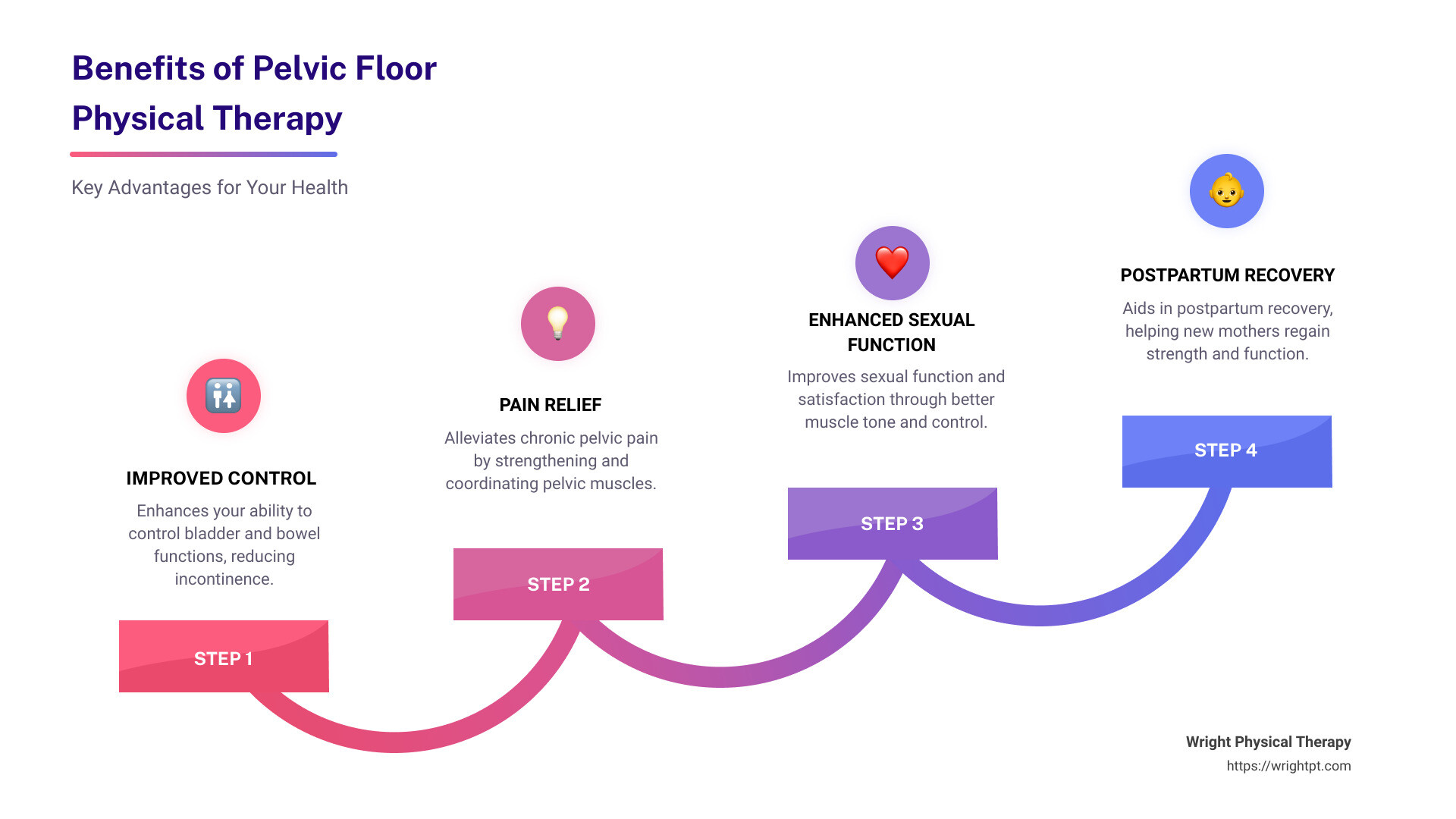
One of the primary benefits of physical therapy for pelvic floor health is improved control over bladder and bowel functions. Many people struggle with incontinence, whether it’s urinary or fecal. Physical therapy can help strengthen the pelvic floor muscles, giving you better control and reducing the frequency of accidents.
Studies show that targeted exercises like Kegels can significantly improve muscle strength and endurance. In fact, 91% of women are familiar with Kegel exercises, but many don’t perform them correctly. That’s where a physical therapist comes in, guiding you through the proper techniques to maximize benefits.
Pain Relief
Pelvic pain can be debilitating and affect your quality of life. Whether it’s pain during sex, chronic pelvic pain, or discomfort from conditions like sacroiliitis, physical therapy for pelvic floor can provide relief. Techniques such as trigger point therapy and electrical stimulation can help alleviate pain by relaxing tight muscles and reducing spasms.
Cameron Barber Pikula, DPT, explains, “Pelvic floor PT may focus on both aspects of muscle function—completely contracting to keep urine in and completely relaxing to let the bladder empty.” This dual approach can significantly reduce pain and improve overall function.
Enhanced Sexual Function
For both men and women, a strong pelvic floor is crucial for sexual health. Weak or dysfunctional pelvic floor muscles can lead to issues like erectile dysfunction in men and pain during sex in women. Physical therapy can help address these problems by strengthening the muscles and improving blood flow to the area.
Exercises like Kegels and bridges are often recommended to enhance muscle tone and endurance. Some women have reported better orgasms and less pain during sex after undergoing pelvic floor physical therapy.
David French, PT, DPT, MTC, notes, “Biofeedback helps patients become more aware of their pelvic floor muscles, optimizing body mechanics and breathing patterns.” This increased awareness can lead to improved sexual function and overall well-being.
By addressing these key areas—control, pain relief, and sexual function—physical therapy for pelvic floor health offers a comprehensive approach to improving your quality of life.
Frequently Asked Questions about Physical Therapy for Pelvic Floor
What is involved in pelvic floor physical therapy?
Pelvic floor physical therapy is a specialized treatment aimed at improving the function of the pelvic floor muscles. Here’s what you can expect:
-
Initial Consultation: Your therapist will review your medical history and symptoms, and conduct a physical exam. This helps to tailor the treatment to your specific needs.
-
Personalized Treatment Plan: Based on the initial assessment, a customized plan will be developed. This may include exercises, manual therapy, biofeedback, and more.
-
Exercises: These can range from Kegels, which involve tightening and relaxing the pelvic muscles, to more advanced routines that target the hips, back, and core.
-
Manual Therapy: Techniques like trigger point therapy help release tight muscles and reduce pain.
-
Biofeedback: This uses sensors to monitor muscle activity, helping you understand how to engage your pelvic floor muscles correctly.
-
Electrical Stimulation: Sometimes used to reduce pain and muscle spasms, and to enhance muscle strength.
Each session is designed to address your symptoms and improve your pelvic health.
Is pelvic floor physical therapy worth the effort?
Absolutely. Pelvic floor physical therapy can significantly improve your quality of life. Here are some key benefits:
-
Improved Control: Many patients see improvement in bladder and bowel control. This is especially beneficial for those experiencing incontinence.
-
Pain Relief: Techniques like trigger point therapy and manual therapy can alleviate pelvic pain, making daily activities more comfortable.
-
Enhanced Sexual Function: Strengthening and properly coordinating the pelvic floor muscles can lead to better sexual experiences. Some women report less pain during sex and improved orgasms.
According to studies, men and women both see a 70-80% success rate in treating symptoms within just a few sessions. This makes it a highly effective treatment option.
Do I need to prepare in any specific way for pelvic floor physical therapy?
Preparation for pelvic floor physical therapy is straightforward but important:
-
Wear Comfortable Clothing: You may need to perform exercises or stretches, so wear something you can move in easily.
-
Hydrate: Drink plenty of water before your session. This helps with muscle elasticity and overall comfort.
-
Medical Records: Bring any relevant medical records or notes from your doctor. This helps your therapist understand your medical history.
-
Be Open: Discuss all symptoms and concerns openly with your therapist. This ensures a comprehensive treatment plan.
-
Relax: It’s normal to feel a bit anxious, but therapists are trained to make you feel comfortable and respected throughout the process.
By following these simple steps, you can maximize the benefits of your pelvic floor physical therapy sessions.
Whether you’re dealing with incontinence, pelvic pain, or sexual dysfunction, physical therapy for pelvic floor health can offer a path to relief and improved quality of life.
Success Stories and Testimonials
Patient Experiences
At Wright Physical Therapy, we’ve seen the transformative power of physical therapy for pelvic floor health. Many of our patients come to us after years of struggling with symptoms like incontinence, pelvic pain, and sexual dysfunction. Through personalized treatment plans, they find relief and regain control over their lives.
Take Sarah, for example. After giving birth, she experienced severe pelvic pain and urinary incontinence. “I felt so helpless,” she recalls. “But my therapist at Wright Physical Therapy taught me exercises and techniques that made a huge difference.” Sarah’s story isn’t unique; many women face similar challenges postpartum but find hope and healing through targeted therapy.
Recovery Stories
One of our most inspiring success stories is from Lisa, a 45-year-old woman who struggled with pelvic organ prolapse. Before starting therapy, Lisa couldn’t even walk her dog without discomfort. “I thought surgery was my only option,” she says. “But after a few months of physical therapy, I can now enjoy my daily walks again.”
Additionally, John, a prostate cancer survivor, faced stress incontinence after surgery. “I was embarrassed and frustrated,” he admits. “But my therapist at Wright Physical Therapy helped me strengthen my pelvic floor muscles. Now, I can go about my day without worrying about accidents.”
These stories highlight the real, tangible benefits of physical therapy for pelvic floor health. Patients often report not just physical improvements, but also a boost in their overall quality of life.
By sharing these powerful testimonials, we hope to encourage others to seek the help they need and deserve.
Conclusion
Long-term Benefits
The benefits of physical therapy for pelvic floor health extend far beyond immediate symptom relief. By addressing the root causes of pelvic floor dysfunction, physical therapy offers long-term solutions that can significantly improve daily life.
Improved Control: Consistent therapy can help you regain control over bladder and bowel functions, reducing or eliminating incontinence issues.
Pain Relief: Techniques like trigger point therapy and myofascial release can alleviate chronic pain, making daily activities more comfortable.
Enhanced Sexual Function: Strengthening and coordinating pelvic floor muscles can lead to a more satisfying sexual experience.
Better Posture and Core Stability: A strong pelvic floor contributes to better posture and core stability, reducing the risk of back pain and improving overall body mechanics.
Wright Physical Therapy
At Wright Physical Therapy, we are committed to helping you achieve these long-term benefits. Our specialized pelvic floor therapists use a variety of techniques tailored to your unique needs. From Kegels and biofeedback to electrical stimulation and manual therapies, we offer a comprehensive approach to pelvic floor health.
Our goal is to empower you with the knowledge and skills needed to maintain and improve your pelvic floor function. We believe that everyone deserves to live a life free from the limitations of pelvic floor dysfunction.
If you’re experiencing symptoms or have concerns about your pelvic floor health, don’t wait. Reach out to us today to schedule a consultation and start your journey toward a healthier, more comfortable life.
Learn more about our pelvic floor therapy services.
By focusing on long-term benefits and the specialized care offered at Wright Physical Therapy, we’re here to support you every step of the way. Your pelvic health matters, and we’re dedicated to helping you achieve the best possible outcome.