
When spring finally arrives in Filer, Idaho, most of us are eager to get outside and clean up what winter left behind. Trees need trimming, flowerbeds need turning, and lawns need refreshing. While there’s satisfaction in crossing yardwork off the list, it often comes with sore backs, tired knees, and tight shoulders.
Simple tasks like digging, pulling weeds, or lifting bags of mulch can catch people off guard after a season of being less active. Even an afternoon of raking leaves can leave you walking a little slower the next morning. That’s where physical therapy in Filer, Idaho, can support people who want to stay active but are feeling the strain more than they expected.
Getting outdoors in the spring brings renewed energy for many. The warmer days and brightening skies are inspiring, but that enthusiasm can make it easy to dive into heavy outdoor work without preparing or considering the demands ahead. After months of less movement, the body is sometimes surprised at how much work is involved in cleaning up the yard or garden. Simple movement patterns, from shoveling to bending, call on muscles and joints in ways that may not have happened since last year’s outdoor season. As a result, it is common to feel tightness or discomfort after only doing a handful of seemingly routine chores.
Common Yardwork Movements That Trigger Pain
Yardwork looks different for everyone, but many of the movements are the same. The job might vary from planting new shrubs to clearing out gutters, yet the wear on the body often hits in similar places. These aches usually begin with the motions we repeat without thinking.
- Squatting or kneeling for long stretches puts pressure on knees, especially for those with existing joint stiffness
- Twisting from the waist while shoveling soil or lifting branches can strain the lower back
- Raking and bagging ask the shoulders and wrists to move in one direction again and again, stressing those joints
- Working on uneven ground adds to the challenge, shifting balance and raising the chance of slips or pulled muscles
Yardwork uses muscles that often sit idle during the colder months. Without a good warm-up or regular strength maintenance, small movements can turn into aches that linger for days.
Sometimes, it’s not the exertion of a big project that leads to the most soreness, but the smaller, repetitive motions and awkward stances. For example, snagging a weed from under a dense bush leads to an awkward reach and a little twist that might not seem like much in the moment but adds up over time. The bend at the waist required to lift a bag of soil, repeated every few minutes, can make you realize how much your back and hips need support.
Spring can also bring unpredictable weather in Filer, Idaho, leading to chilly mornings that can stiffen joints and make movement feel less fluid at the start of the day. Rushing through yardwork to beat the next rainstorm sometimes results in moving too quickly, making it easier for muscles and joints to be overworked without a proper warm-up or pacing.
How Physical Therapy Helps Ease Strains and Aches
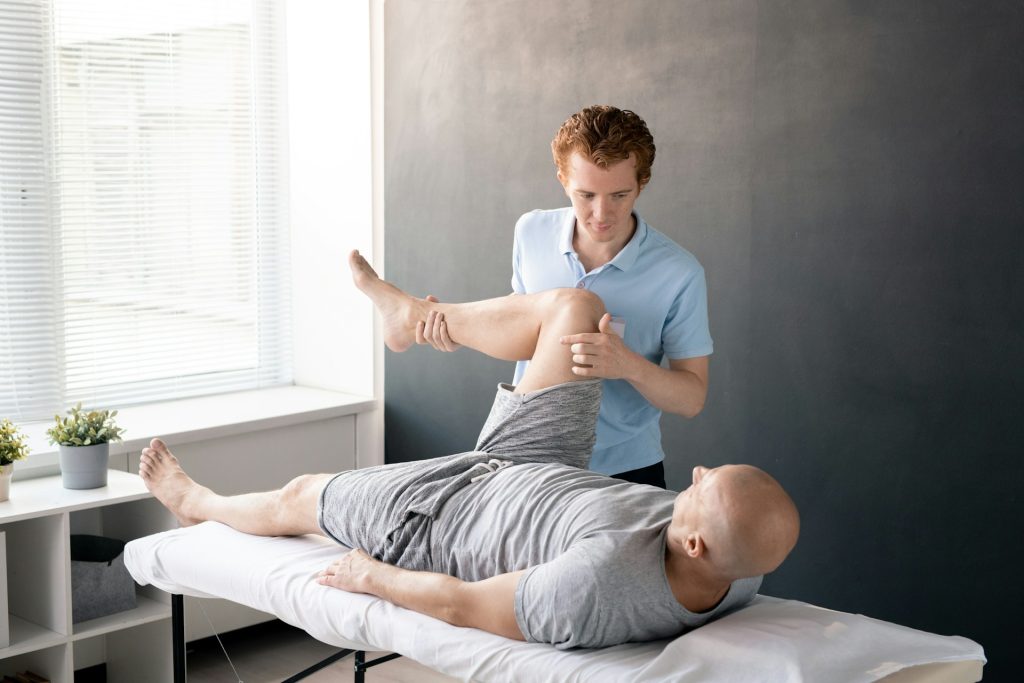
When pain sticks around longer than expected after yardwork, it may be a sign that something isn’t moving the way it should. That’s where physical therapy can help. Rather than chasing the symptom, we look at what’s causing the discomfort during certain tasks.
- An evaluation shows which joints or muscles aren’t absorbing movement well, especially during squatting, lifting, or reaching
- Movements and simple strength-building exercises are used to ease stress on sensitive areas like knees, shoulders, and the back
- We build custom routines based on the ways people in Filer spend time outdoors in spring, whether that’s prepping raised beds or trimming trees
By matching care to the reality of your daily life, it becomes easier to manage pain and avoid further strain when you’re back at it the next day.
Physical therapy also educates about better posture and alignment for routine yardwork. Even subtle corrections (like adjusting how you grip a rake or change your stance when trimming hedges) can prevent discomfort from turning into an injury. Routine check-ins and exercise suggestions keep small problems from becoming persistent or more difficult to treat. Treatment is always matched to the types of tasks and activities you value most, so recovery is meaningful, practical, and focused on getting back to what you enjoy.
Preventing Pain Before and After Yardwork
A lot of spring soreness can be managed or even avoided with a few simple steps before and after heading outside. We don’t need to spend an hour stretching, but we should be thoughtful about how we move going in and how we recover coming out.
- Before bending or lifting, start with a few shoulder rolls and light squats to warm up joints
- Keep your back aligned when lifting heavier items and use both hands to shift weight evenly
- Switch sides regularly when using tools like rakes or trimmers to avoid overworking one side of the body
- Once you’re done working, take five minutes to stretch your back, shoulders, and legs
- Ice sore spots later in the day if tension builds up
These habits can keep pain from stacking up over the course of the season. If you can recover faster, you can get back outside without hesitation.
Preparation is important, but so is knowing how to pace yardwork to prevent sudden fatigue. Consider breaking up chores into shorter segments with planned rest in between, especially on bigger projects like pruning large trees or moving heavy stones. Drink water, wear supportive footwear if working on uneven terrain, and avoid hurrying just to finish quickly; your body will thank you the next day. Small changes, like alternating tasks that use different muscle groups, can also make a big difference, for instance, switching between digging and raking to give certain joints a break.
Building Long-Term Strength for Future Seasons
If spring cleanups keep causing the same pain year after year, it may be time to think beyond quick fixes and look at building strength that lasts. Physical therapy offers more than short-term relief. It teaches your body to work better in long-term ways.
- Targeting weaker joints helps create better balance during uneven tasks like digging or pulling weeds
- Focused strengthening builds support in often-overworked areas like shoulders, knees, and hips
- Regular movement practice gives your body a pattern to follow so yardwork becomes less stressful and more automatic
When we support our weaker spots now, we not only avoid current pain but help prepare our joints and muscles to do better every time spring returns.
Lasting comfort also means taking what you’ve learned from physical therapy and keeping up with maintenance exercises throughout the year, not just during the spring rush. Even short sessions of targeted stretching or easy strength work once or twice a week can help your body stay prepared for the next task. This leads to not only fewer aches but an increased sense of ease as you move from one gardening season to the next. Recognizing which joints or movements are more vulnerable allows you to plan ahead and make changes before discomfort starts.
Ready to Move Better This Spring
Spring yardwork doesn’t have to leave you feeling drained or stiff for days. By paying attention to how our muscles react and preparing our bodies on the front end, we can get more done without setting ourselves back.
Whether you’re clearing brush or preparing new gardens, understanding the movements that tend to lead to soreness can make a big difference. With the right care and a few smart habits, it’s possible to enjoy the season without feeling like recovery takes longer than the yardwork itself.
Spring clean-up can leave your joints and muscles feeling the strain, and paying attention to the way your body moves now can help you stay active all season. For those in Filer, we’re here to offer support and guidance that fit your needs and routine. Early care helps prevent recurring pain and keeps you ready for every outdoor task. See how physical therapy in Filer, Idaho can help you move better and feel stronger. Call Wright Physical Therapy to get started.