
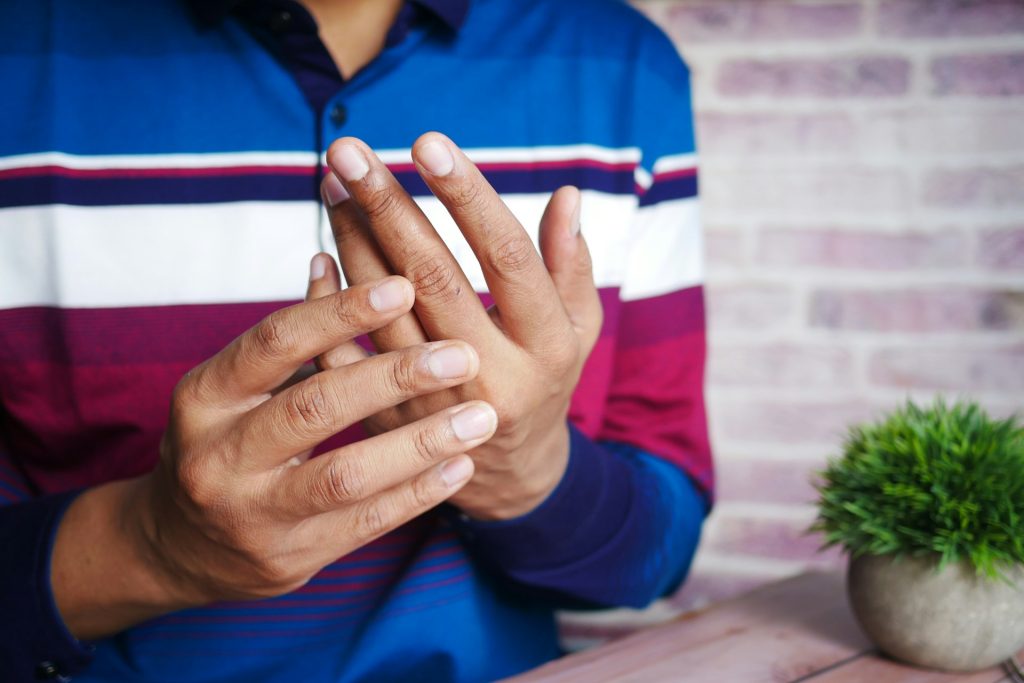
If your hands feel stiff in the morning or you find yourself shaking out your fingers during the day, you’re not alone. Pain in the hands and fingers can sneak in slowly or hit after a specific event like a strain or sprain. Whether you’re typing for hours, gripping tools, or just trying to get through daily tasks like cooking or picking up groceries, sore joints can make everything harder than it should be.
When that discomfort sticks around, finding the right way to deal with it becomes a top priority. It’s not just about getting through the pain but learning what’s causing it and how to manage it the right way. Pinpointing the cause early and taking intentional steps to feel better can go a long way, especially for folks who want to stay active without constantly relying on medication or ignoring discomfort.
Wright Physical Therapy provides trusted and local support to help people in Boise and neighboring communities manage joint pain. Our team works with each person to build a plan that brings long-term relief while keeping comfort and mobility in mind.
Common Causes of Hand and Finger Joint Pain
Joint pain in the hands and fingers often shows up after repeat stress or a sudden injury. Some cases are easier to figure out than others, but most fall into a few common scenarios. Understanding the cause of the pain is often the first step in getting the right care.
1. Repetitive Use
If your days involve a lot of typing, knitting, sewing, or gripping small tools, your hands may be under more strain than you think. Repeating the same motion puts pressure on the same spots over and over again. This can lead to stiffness, soreness, or tingling by the end of the day.
2. Arthritis
Many people dealing with joint pain are actually feeling the early effects of arthritis. It doesn’t always cause constant pain at first. Often, it shows up after periods of use, like when you’ve been cooking, gardening, or opening and closing doors. Some types of arthritis cause the joints to swell or feel warm. Over time, what started as mild soreness can turn into long-term discomfort during many of your daily routines.
3. Trauma or Injury
Even small accidents like wrist sprains or finger jams can lead to joint problems that stick around. If you’ve ever fallen and tried to catch yourself, that force can affect the small joints in your hand. Sometimes the pain shows up again long after the injury heals, especially during colder months or after doing a lot of hand-based chores.
Many people also relate to this: spending hours on a phone or tablet can leave your fingers feeling locked or stiff. That curved position puts extra pressure on a few key joints and muscles. Doing this regularly without breaks can slowly build up strain that leads to real discomfort.
Effective Tips for Reducing Hand and Finger Joint Pain
So what can you do when joint pain gets in the way of your daily tasks? Making small adjustments to your tools, posture, and habits can make a big difference. Here are five easy steps to help ease discomfort in the hands and fingers.
1. Use Ergonomic Tools
Switching to tools designed to reduce strain can give your hands a break. Pens with wider grips, jar openers with padded handles, and computer accessories shaped for hand comfort can all reduce awkward positions and help prevent irritation. Even swapping out a pair of scissors for a spring-loaded option can make repetitive tasks less painful.
2. Incorporate Hand Exercises
Gentle movements can increase flexibility and improve blood flow to your joints. Try slowly making and releasing a fist, tapping your fingers to your thumb, or squeezing a soft foam ball. Doing this once or twice a day increases range of motion and keeps muscles active without overusing them.
3. Manage Pain with Heat and Cold
A warm towel or moist heating pad can loosen stiff joints before work, while a cold gel pack helps ease swelling after challenging tasks. Use heat before activity to help the joints move easier and reach for cold after long stretches of use to settle down the area.
4. Maintain Good Posture
It might surprise you, but how you sit and stand has an effect on your hands. Slouching at a desk, letting your wrists bend while typing, or reaching forward with your shoulders can all push extra pressure onto your hand joints. Keep your elbows by your sides and your wrists in line with your arms. Make small adjustments to your workspace to support a neutral position.
5. Seek Professional Physical Therapy Services
If the pain keeps coming back or makes daily life difficult, you may benefit from professional support. Wright Physical Therapy offers customized care that focuses on your specific needs. Our goal is to treat the root cause, improve function, and guide you toward long-term relief. Working with a physical therapist also means you’ll learn how to move better, prevent flare-ups, and manage activities in a way that protects your joints.
Lifestyle Changes to Support Hand and Finger Joint Health
Beyond stretches and good posture, some daily choices can influence how your hands feel. Building healthy habits over time can add up and help prevent small aches from becoming constant pain.
Focus on Your Diet
Foods that help lower inflammation can support joint health. Items like fatty fish, walnuts, flaxseed, and fresh vegetables provide nutrients that benefit the whole body. Leafy greens and berries are also good picks that support healing and lower stress on the joints.
Manage Stress
When you’re tense, your whole body tightens — fingers included. Regular stress reduction through breathing exercises, relaxing hobbies, or short walks can help your hands stay loose. Over time, learning to manage tension helps keep pressure off your joints.
Balance Activity and Rest
If your hands are busy most of the day, taking breaks is key. Spread out your tasks and let your fingers relax between activities that require grip strength or precision. If you enjoy crafts like crocheting or wood carving, take a moment to stretch gently or switch hand positions every so often.
Even something as simple as adjusting your daily routine goes a long way. If you notice that prepping meals or journaling brings on discomfort, break those tasks into chunks. Small pockets of rest can prevent big flare-ups later.
Ready to Find Relief?
Living with hand or finger joint pain doesn’t mean giving up your favorite hobbies or work tasks. Identifying the root cause and taking small, helpful steps is the start of feeling better. When self-care and at-home tips aren’t enough, that’s when Wright Physical Therapy can step in. Our team works with people throughout Boise and nearby Idaho locations to build treatment plans that fit into real life.
Our approach is focused on long-term comfort, not just quick fixes. Whether you’re dealing with a recent injury or long-term inflammation, we’re here to guide you through every stage of recovery. With expert care and support, you can take back control and move through your day with less pain and more confidence.
Looking for effective and compassionate care to manage joint discomfort? Wright Physical Therapy offers personalized solutions to help you regain comfort and mobility. Discover how our expert physical therapy services can make a difference in your daily life. Connect with us and start your journey to feeling your best in Boise and surrounding communities.