

The Importance of Sports Injury Rehab
Rehab for sports injuries helps athletes and active individuals recover from ailments, regain strength, and avoid future problems. Here’s a quick rundown of what it involves:
- Immediate medical attention to prevent further damage
- Pain relief through targeted therapy
- Gradual return to activity with professional guidance
Sports injuries are inevitable when you’re living an active lifestyle. They can range from minor tweaks to severe issues that might keep you off the field for a while. Getting immediate attention is crucial to stopping further damage.
That’s where sports rehabilitation steps in. This specialized type of physical therapy focuses on alleviating pain, improving mobility, and getting you back to your peak performance. At Wright Physical Therapy, we use a mix of cutting-edge techniques and personalized care to guide you through each stage of recovery.
My name is Bryan Wright, and my mission is to help you return to an active, pain-free life. With experience in high-skilled physical therapy, I know how to tailor recovery plans that fit your unique needs, ensuring a smooth journey from injury to recovery.
Let’s explore the steps and strategies that make sports rehab so effective.
Understanding Sports Injuries
Types of Sports Injuries
In sports, injuries happen. Knowing the common types can help you understand what might be going on if you get hurt.
ACL Tears
ACL tears are serious injuries that affect the knee. They often happen in sports like soccer, basketball, and football. This injury usually occurs during sudden stops, changes in direction, jumping, or landing. It can be very painful and may require surgery.
Concussions
A concussion is a type of traumatic brain injury. It happens when a bump, blow, or jolt to the head or body causes the brain to move rapidly back and forth. This movement can damage brain cells and lead to chemical changes in the brain. Symptoms include headaches, dizziness, and confusion.
Sprains
Sprains occur when ligaments, the tissues connecting bones, are stretched or torn. The ankle is the most common area for sprains. Symptoms include swelling, pain, and limited movement.
Strains
Strains are injuries to muscles or the tissues that connect muscles to bones. They often happen due to overuse or sudden force. Common areas for strains include the back and hamstrings.
Shin Splints
Shin splints cause pain along the shin bone (tibia). They are common in runners and people who engage in activities with lots of running or jumping. The pain is usually due to inflammation of the muscles, tendons, and bone tissue around the tibia.
Tennis Elbow
Tennis elbow is an overuse injury causing pain around the outside of the elbow. It happens when the tendons in the elbow are overloaded, usually by repetitive motions of the wrist and arm.
Immediate Response to Injuries
When a sports injury occurs, quick action can prevent further damage and speed up recovery. Here’s what to do right away:
Cold Therapy (Cryotherapy)
Applying ice or cold packs to the injured area helps reduce pain and swelling. Use ice for 15-20 minutes at a time, with breaks in between.
Compression
Wrapping the injured area with an elastic bandage can help control swelling. Make sure it’s snug but not too tight to avoid cutting off circulation.
Elevation
Raising the injured part above the level of your heart helps reduce swelling. This is especially effective for injuries to the legs or feet.
Immobilization
Using splints, braces, or crutches can help keep the injured area from moving, preventing further damage and aiding in healing.
Support Devices
Support devices like braces and crutches provide extra stability and help protect the injured area as it heals. They are especially useful for joint injuries.
By acting quickly and using these methods, you can manage pain and swelling effectively, setting the stage for a smoother recovery process.
Next, we’ll explore the stages of sports injury rehabilitation and how each phase helps you get back to your best self.
The Stages of Sports Injury Rehabilitation
Phase 1: Pain and Swelling Reduction
The first phase of sports injury rehabilitation focuses on reducing pain and swelling. This is crucial because it sets the foundation for all subsequent recovery stages.
The RICE method—Rest, Ice, Compression, and Elevation—is the cornerstone of this phase. Here’s how it works:
- Rest: Avoid putting weight on the injured area to prevent further damage.
- Ice: Apply ice packs to the injured area for 15-20 minutes, several times a day, to reduce swelling and numb the pain.
- Compression: Use elastic bandages to compress the area, which helps control swelling.
- Elevation: Keep the injured area raised above heart level to reduce swelling.
Other treatments like heat therapy and massage therapy can also be beneficial. Heat can help relax muscles and improve blood flow, while massage therapy can reduce muscle tension and improve circulation.
Phase 2: Improving Joint Mobility and Range of Motion
Once pain and swelling are under control, the next step is to restore joint mobility and range of motion. This phase focuses on stretching exercises and manual therapy to loosen up stiff joints and muscles.
- Stretching Exercises: These exercises help lengthen muscles and improve flexibility. Stretches should be held for up to 30 seconds for maximum benefit.
- Manual Therapy: Techniques like joint mobilization and soft tissue manipulation are used by physical therapists to improve joint function and reduce stiffness.
Phase 3: Regaining Strength and Endurance
With improved mobility, the next phase aims to rebuild strength and endurance. This involves a variety of strength exercises and endurance exercises.
- Strength Exercises: These include using resistance bands, free weights, and weight machines to target specific muscle groups. Isometric exercises, where you push against an immovable object, are often the starting point.
- Endurance Exercises: Activities like low-impact cardio help improve overall stamina without putting too much stress on the injured area.
Phase 4: Enhancing Coordination and Balance
As strength and endurance improve, the focus shifts to enhancing coordination and balance. This phase is crucial for preventing future injuries and ensuring a full return to activity.
- Proprioception Training: Proprioception is your body’s ability to sense its position in space. Balance exercises, like standing on one leg or using a wobble board, help improve this.
- Sport-Specific Training: Exercises that mimic the movements of your sport are introduced. This prepares your body for the specific demands of your activity.
Phase 5: Recovering Sports-Specific Movements
The final phase involves sport-specific exercises and drills to ensure you’re ready to return to your sport.
- Sports-Specific Exercises: These exercises focus on the skills and movements you use in your sport. For example, a basketball player might practice shooting and dribbling drills.
- Gradual Return to Activity: Start with low-intensity workouts and gradually increase the intensity as your body adapts. This helps ensure you can perform at your best without risking re-injury.
By following these five phases, you can effectively rehabilitate your injury and return to your sport stronger than ever. Next, we’ll discuss the long-term benefits of sports injury rehab and how it can help you maintain your fitness and improve your performance.
Benefits of Rehab for Sports Injuries
Long-Term Benefits
Rehab for sports injuries isn’t just about getting back in the game; it’s about ensuring you’re stronger and more resilient than before.
1. Avoid Surgery: Effective rehabilitation can often eliminate the need for surgery. For example, a well-structured rehab program for an ACL tear can help you regain stability and strength, reducing the likelihood of needing surgical intervention.
2. Mitigate Re-Injury: Proper rehab addresses the root causes of your injury, such as muscle imbalances or poor biomechanics. This proactive approach significantly lowers the risk of re-injury. A study found that athletes who completed a structured rehab program had a 50% lower chance of re-injury compared to those who didn’t.
3. Increase Performance: Rehabilitation isn’t just about healing; it’s also about enhancing your overall performance. By focusing on strength, flexibility, and endurance, you can return to your sport in peak condition. For instance, a soccer player who undergoes comprehensive rehab may find they can run faster and kick harder than before their injury.
4. Full Recovery: The ultimate goal is to achieve full recovery, meaning you can perform at your pre-injury level or even better. This includes not just physical recovery but also psychological readiness, which is crucial for athletes. Research shows that psychological readiness is a significant factor in successful return to sport.
5. Prevent Future Injuries: By addressing the underlying issues that led to your initial injury, rehab helps prevent future injuries. This long-term benefit is crucial for athletes who want to enjoy a long and healthy career.
Role of Physical Therapy
1. Personalized Treatment: At Wright Physical Therapy, we believe in personalized treatment plans custom to your specific needs. Whether you’re a weekend warrior or a professional athlete, our therapists will design a program that targets your unique challenges and goals.
2. Therapeutic Interventions: Our therapists use a combination of therapeutic interventions, such as manual therapy, cold therapy, and sports taping, to accelerate your recovery. These methods help reduce pain and inflammation, improve joint mobility, and improve muscle function.
3. Exercise Rehabilitation: Exercise is a cornerstone of sports rehab. We’ll guide you through exercises that build strength, improve flexibility, and boost endurance. For example, using resistance bands and weights can help you regain muscle strength, while balance training can improve your coordination.
4. Maintain Fitness: Physical therapy helps you maintain your overall fitness while recovering from an injury. This ensures that you don’t lose your conditioning and can return to your sport at your best.
5. Improve Performance: Beyond recovery, physical therapy aims to improve your performance. Techniques like proprioception and sport-specific training help you refine your skills and improve your athletic abilities.
By focusing on these aspects, Wright Physical Therapy ensures you not only recover from your injury but also return to your sport stronger and more capable than ever. Next, let’s explore how our personalized care and community impact contribute to your full recovery.
Conclusion
At Wright Physical Therapy, we believe that personalized care is the cornerstone of effective sports injury rehabilitation. Each athlete’s journey is unique, and so are their injuries. Our expert team tailors treatment plans to fit your specific needs, ensuring you receive the best possible care.
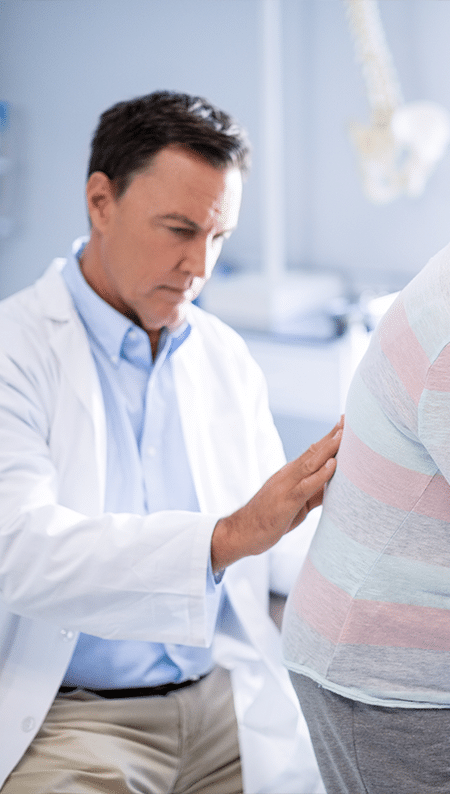
Community Impact: We are deeply committed to our community. By providing top-notch rehab services, we help athletes of all levels—from weekend warriors to professional players—get back to doing what they love. Our community-focused approach means we’re not just treating an injury; we’re helping to build a healthier, more active community.
Patient Education: Knowledge is power. We prioritize educating our patients about their injuries, the rehab process, and preventive measures. By understanding the “why” behind your treatment, you can be more engaged and proactive in your recovery journey.
Return to Activity: Our ultimate goal is to get you back to your sport or activity as safely and quickly as possible. We focus on a structured, step-by-step approach to ensure you regain full function and strength. By the time you’re ready to return, you’ll be confident in your ability to perform.
Full Recovery: Recovery doesn’t stop when the pain goes away. We aim for a full recovery—meaning you not only return to your previous level of activity but also improve your overall performance and reduce the risk of future injuries.
With Wright Physical Therapy, you’re not just another patient. You’re part of a community that cares about your well-being and success. Ready to start your journey to recovery? Contact us today to begin your personalized rehab plan.
By focusing on personalized care, community impact, patient education, and a structured approach to return to activity, Wright Physical Therapy ensures a comprehensive path to recovery. Join us, and let’s turn your setback into a comeback.