
Rehabilitation post hip replacement is vital for a successful recovery and return to normal activities. Here’s what you need to know:
- Initial Phase: Begins right after surgery to control pain and swelling while maintaining mobility.
- Gradual Progression: This involves moving from light activities to more weight-bearing exercises.
- Physical Therapy: Essential to rebuild strength, improve balance, and ensure the joint’s stability.
- Timeline: Generally, rehabilitation can take a few weeks to several months, but individual plans vary.
Having a hip replacement can be life-changing, allowing you to regain strength and mobility. Understanding the rehabilitation post hip replacement process will pave the way for a smoother recovery.
My name is Bryan Wright, and my goal is to help you steer the journey of hip replacement recovery. With experience in designing high-quality, custom rehabilitation programs, I am dedicated to alleviating pain and enhancing the joy of movement.
Let’s dive deeper into how rehabilitation can restore your strength and vitality.
Rehabilitation post hip replacement vocabulary:
– post-surgery rehabilitation
– rehabilitation after rotator cuff surgery
Understanding Rehabilitation Post Hip Replacement
Early Post-operative Exercises
Rehabilitation post hip replacement starts as soon as possible after surgery. The goal is to restore mobility and prevent complications. During the initial phase, you’ll focus on simple exercises to kickstart recovery.
Ankle Pumps: These are crucial for improving blood circulation in your legs and feet, reducing the risk of blood clots. Simply push your foot up and down slowly. Repeat several times, especially when watching TV.
Knee Bends: Also known as bed-supported knee bends, this exercise helps maintain knee flexibility. Slide your foot toward your buttocks, bending your knee while keeping your heel on the bed. Hold for a few seconds, then straighten your leg. Repeat ten times.
Buttock Contractions: To strengthen your glutes, tighten your buttock muscles and hold for a count of five. Repeat ten times. This simple exercise helps support your new hip joint.
These exercises might feel uncomfortable initially, but they are essential for a speedy recovery. Start them as soon as you’re able, even in the recovery room, as they help reduce post-operative pain.
Advanced Exercises and Activities
As you progress, your rehabilitation will include more advanced exercises to further restore strength and mobility.
Elastic Tube Exercises: These exercises add resistance, enhancing muscle strength. For resistive hip flexion, stand with feet slightly apart and bring your operated leg forward, keeping the knee straight. For resistive hip abduction, extend your leg out to the side. Face the door for resistive hip extensions and pull your leg straight back.
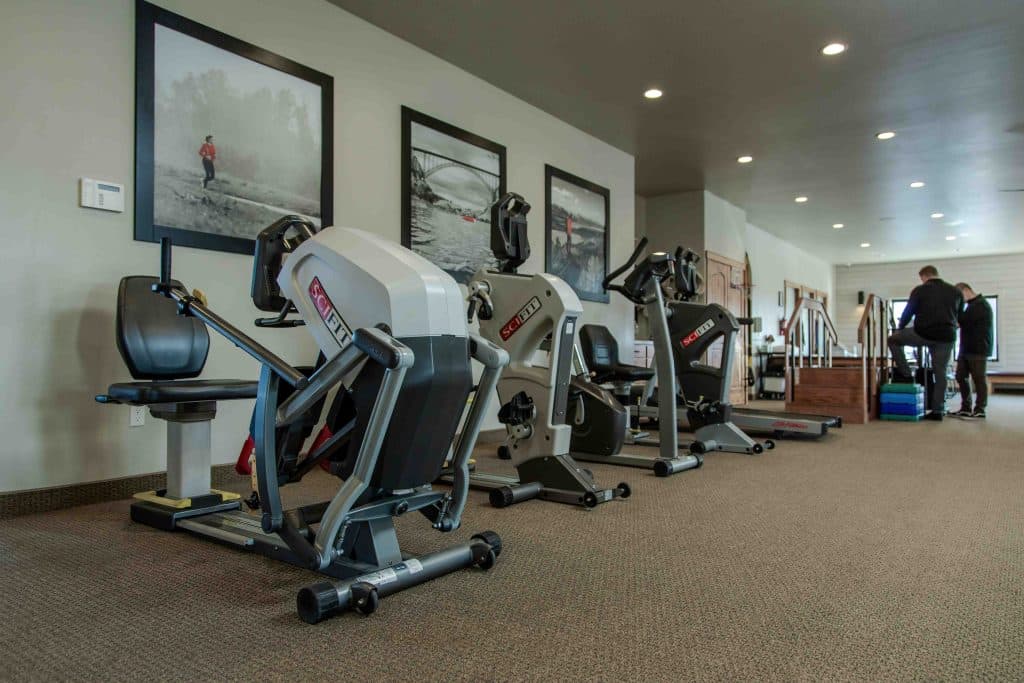
Exercycling: Riding an exercise bike is excellent for regaining muscle strength and improving hip mobility. Start by pedaling backward with the seat adjusted so your foot just touches the pedal. Once comfortable, pedal forward. Gradually increase the tension and duration as you get stronger.
Walking: Walking is fundamental to recovery. Start with short walks of 5 to 10 minutes, 3 to 4 times a day. Use a cane if needed for balance. As your strength improves, aim for 20 to 30-minute walks, 2 to 3 times daily. Walking helps maintain muscle strength and endurance.
These advanced exercises are crucial for building muscle strength and improving overall mobility. Consistency is key. Stick to your exercise routine and consult your physical therapist to ensure you’re on the right track.
By gradually increasing the intensity and duration of these activities, you’ll be well on your way to regaining full function and enjoying a pain-free life. Next, we’ll explore the long-term recovery process and how to maintain your progress.
Long-term Recovery and Maintenance
Importance of Consistent Exercise
Recovery from a hip replacement doesn’t end after the initial phase. Consistent exercise is crucial for long-term recovery and maintenance. Regular physical activity helps in muscle reconditioning, ensuring your muscles regain their strength and flexibility over time. It also plays a significant role in pain management, reducing discomfort as your body adjusts to the new joint.
Engaging in exercises like walking, cycling, and resistance training can boost your endurance. Over time, these activities help you return to your daily routine without pain or difficulty. Aim to incorporate these exercises into your daily schedule, gradually increasing their intensity to continue building strength and mobility.
Role of Physical Therapy
Physical therapy is an essential part of your recovery journey. At Wright Physical Therapy, we focus on providing personalized care custom to your specific needs. Our therapists work closely with you to create a rehabilitation plan that aligns with your goals and abilities.
A key component of our approach is patient education. We believe in empowering you with the knowledge and skills needed for a successful recovery. Understanding proper body mechanics and self-care strategies can prevent re-injury and ensure long-term success.
Our therapists guide you through exercises that improve your mobility and help you perform daily activities with ease. Whether it’s climbing stairs or getting in and out of a car, we focus on practical tasks that improve your quality of life.
By working together, we aim to help you regain your independence and return to the activities you love. Your commitment to the rehabilitation process is just as important as the therapy itself. Stay proactive, communicate with your therapist, and keep pushing forward.
Next, we’ll dig into the advanced phase of recovery and explore more complex exercises that will further improve your strength and agility.
Conclusion
At Wright Physical Therapy, our commitment to recovery goes beyond just the physical aspect. We understand that recovering from a hip replacement is a journey that requires support, education, and personalized care. Our goal is to help you regain your strength, mobility, and confidence, ensuring you can return to your daily activities with ease.
Wright Physical Therapy is dedicated to providing exceptional care that is both compassionate and competent. Our therapists are skilled in creating individualized rehabilitation plans that cater to your unique needs. We believe in empowering you with the knowledge and tools necessary for a successful recovery, so you can take charge of your health and well-being.
In addition to personalized care, we are deeply invested in our community impact. We are proud to serve various locations across Idaho, including Boise, Meridian, and Twin Falls, among others. Our involvement in the community extends beyond the clinic walls, as we actively participate in local events and support charitable initiatives. This commitment to community enriches our practice and strengthens the bonds we share with the people we serve.
By choosing Wright Physical Therapy, you are not only receiving top-notch rehabilitation services but also becoming part of a community that values health, education, and support. We invite you to join us on your recovery journey and experience the difference our comprehensive approach can make.
For more information on how we can assist in your post-surgical rehabilitation, visit our Post-Surgical Rehabilitation page. Together, let’s move towards a healthier future.