

Sports medicine and physical therapy are powerhouse partners in sports recovery, helping athletes bounce back from injuries with renewed strength and precision. When sports injuries occur, getting the right treatment quickly is essential to avoid complications. Here’s what you need to know:
- Focus on rehabilitation: A sustained injury needs personalized therapeutic plans to quicken recovery.
- Emphasis on personalization: Care is custom to individual needs, ensuring athletes regain top form.
- Blending expertise: Together, sports medicine and physical therapy prevent injuries and keep athletes thriving.
At Wright Physical Therapy, we combine cutting-edge techniques and personalized attention to address each individual’s needs. As Bryan Wright, I foster environments that focus on alleviating suffering and enhancing physical therapy treatments. My experience ensures that our collaboration in sports medicine and physical therapy not only brings athletes back on their feet but pushes them to new heights.
Understanding Sports Medicine and Physical Therapy
Key Differences and Overlaps
Sports medicine and physical therapy are like two sides of the same coin, each offering unique benefits but working best when combined. Let’s break it down:
-
Sports Medicine Doctors: These are medical doctors with specialized training in sports-related injuries. They can prescribe medications, perform injections, and even conduct surgeries. Think of them as the architects of your recovery plan.
-
Physical Therapists: These professionals focus on non-invasive treatments. They use exercises, manual therapy, and modalities like heat and ice to improve mobility and reduce pain. They are the builders, turning plans into action.
While sports medicine doctors diagnose and plan, physical therapists execute and refine those plans. This teamwork ensures that athletes receive comprehensive care custom to their specific needs.
Benefits of Combining Approaches
Combining the expertise of sports medicine doctors and physical therapists creates a powerful synergy. Here’s why:
-
Improved Recovery: By addressing both the medical and physical aspects of an injury, recovery can be faster and more complete. Physical therapy helps speed up the healing process with exercises that reduce pain and inflammation.
-
Injury Prevention: Identifying weaknesses or imbalances is crucial. Physical therapists design personalized programs to strengthen these areas, reducing future injury risks.
-
Performance Improvement: Beyond recovery, the right blend of treatment improves performance. Targeted exercises improve strength, flexibility, and overall movement, helping athletes reach their full potential.
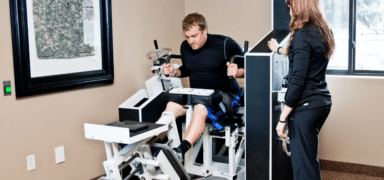
When sports medicine and physical therapy join forces, they don’t just fix what’s broken. They build stronger, more resilient athletes ready to face the challenges ahead.
Next, we’ll explore the specific roles these fields play in recovery, including pain management and mobility restoration.
The Role of Sports Medicine and Physical Therapy in Recovery
Pain Management, Mobility Restoration, and Strength Building
When recovering from a sports injury, sports medicine and physical therapy play crucial roles. They not only help manage pain but also focus on restoring mobility and building strength. Here’s how:
-
Pain Management: Physical therapists use techniques like manual therapy and therapeutic exercise to reduce pain. These methods help ease discomfort by promoting blood flow and reducing inflammation. For instance, therapeutic exercises can target specific areas to alleviate pain and improve function.
-
Mobility Restoration: Regaining movement is vital. Through targeted exercises and neuromuscular training, therapists help restore range of motion. This involves retraining muscles and joints to work together effectively, ensuring smoother, more coordinated movements.
-
Strength Building: Building strength around injured areas is key to recovery. Physical therapists design personalized exercise programs that focus on strengthening the muscles supporting the injury. This not only aids recovery but also prepares the body to handle physical demands better in the future.
Techniques and Modalities
Physical therapists employ various techniques to support recovery:
-
Manual Therapy: This involves hands-on techniques to manipulate muscles and joints. It helps improve flexibility and reduce pain.
-
Therapeutic Exercise: Custom exercises are prescribed to improve strength, flexibility, and endurance. These exercises are crucial for restoring function and preventing future injuries.
-
Neuromuscular Training: This focuses on improving the communication between nerves and muscles. It helps in developing better balance, coordination, and strength.
Post-Surgical Rehabilitation
For athletes undergoing surgery, post-surgical rehabilitation is essential. Here’s how it works:
-
Post-Surgical Care: Initially, the focus is on managing pain and swelling. Techniques like cold therapy and compression are often used.
-
Functional Retraining: As recovery progresses, the aim is to regain normal function. This includes retraining the body to perform specific sports movements safely and effectively.
-
Dynamic Strength: In the later stages, emphasis shifts to dynamic strength training. This prepares athletes for high-intensity activities, ensuring they return to their sport stronger and more resilient.
By combining these approaches, sports medicine and physical therapy not only facilitate recovery but also improve overall athletic performance. This holistic care ensures athletes are not just back in the game, but they are back stronger and better prepared than before.
Next, let’s dig into how these strategies improve athletic performance, focusing on movement mechanics and injury prevention.
Enhancing Athletic Performance
Optimized Movement Mechanics
In sports, improving how athletes move can make a huge difference. Sports medicine and physical therapy work together to improve movement mechanics, which is the foundation of athletic performance.
-
Movement Analysis: Physical therapists use advanced tools and techniques to analyze an athlete’s movements. By examining how joints and muscles work together, therapists can identify areas that need improvement.
-
Technique Improvement: Once problem areas are spotted, therapists create targeted plans to refine techniques. This might involve adjusting posture or changing how an athlete runs or jumps. Small tweaks can lead to big gains in performance.
-
Balance Training: Balance is key in many sports. Therapists design exercises to improve stability and coordination. Better balance means fewer falls and injuries, making athletes more confident in their movements.
Future Trends and Innovations
The future of sports medicine and physical therapy is bright, with new technologies promising to revolutionize the field.
- Virtual Reality (VR): Imagine training in a virtual world that mimics real-life sports scenarios. VR can create immersive environments where athletes practice skills safely, improving technique and confidence.
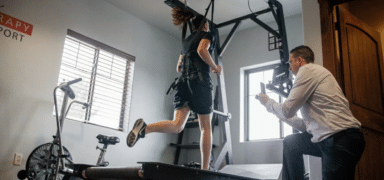
-
Wearable Biosensors: These tiny devices track vital data like heart rate, muscle activity, and movement patterns. With this information, therapists can tailor programs to an athlete’s specific needs, helping prevent injuries before they happen.
-
Regenerative Medicine: Techniques like PRP (Platelet-Rich Plasma) therapy are gaining ground. They use the body’s own healing powers to repair damaged tissues, speeding up recovery and reducing downtime.
These innovations, combined with traditional methods, make sports medicine and physical therapy more effective than ever. Athletes can look forward to improved performance, reduced injury risks, and quicker recoveries.
In the next section, we’ll explore how these advancements are applied in real-world scenarios to lift athletic performance even further.
Conclusion
At Wright Physical Therapy, we believe in the power of sports medicine and physical therapy to transform lives. Our approach is not just about treating injuries; it’s about empowering our patients to achieve their full potential. We focus on personalized care, ensuring that each treatment plan is custom to the individual’s unique needs and goals.
Community Impact
We are deeply committed to making a positive impact in the communities we serve. Our involvement goes beyond the clinic walls. We actively participate in local events and support charitable initiatives, donating a portion of our revenue to organizations dedicated to protecting and empowering children. This commitment to community enriches our practice and strengthens the bonds we have with our patients.
Patient Education
Empowering our clients through education is a cornerstone of our practice. We ensure that every patient understands their treatment plan and the reasons behind each specific therapy or exercise. This knowledge helps not only in alleviating symptoms but also equips patients with the tools to manage their health and prevent future issues. Our physical therapy services are designed to support you every step of the way.
By choosing Wright Physical Therapy, you’re not just opting for treatment; you’re joining a family dedicated to your health and well-being. Together, let’s move towards a healthier future.