

Introduction
Wondering what to expect at pelvic floor physical therapy? Whether you’re dealing with urinary leakage, pelvic pain, or postpartum changes, understanding what happens during these sessions can quickly put your mind at ease.
Here’s a quick snapshot:
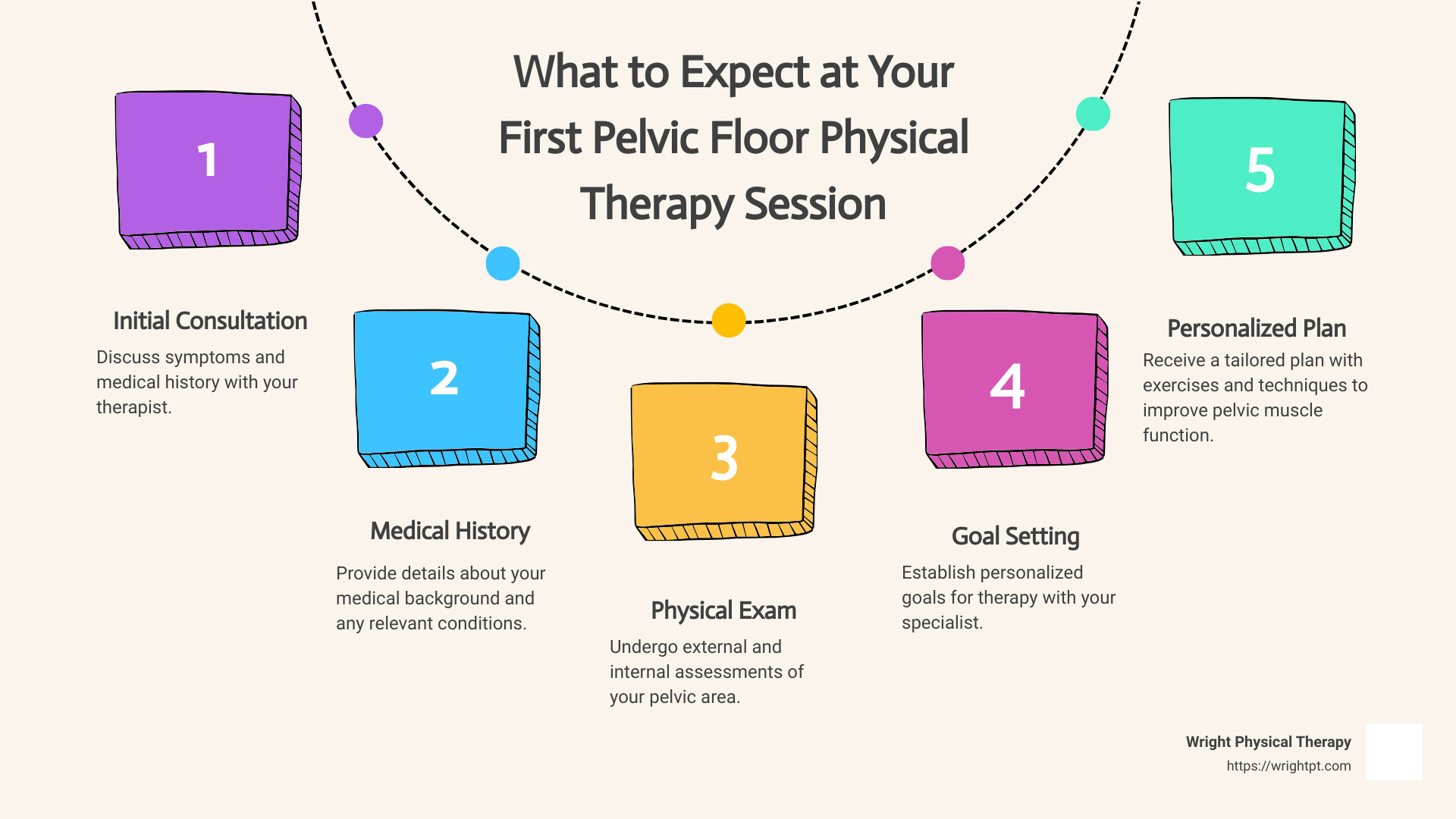
– Initial Consultation: Discuss symptoms and medical history.
– Physical Exam: External and internal assessments of your pelvic area.
– Personalized Plan: Tailored exercises and techniques to improve muscle function.
Pelvic floor physical therapy is an effective and researched-backed approach to addressing a variety of issues related to muscle tone in the pelvic region. These muscles play a crucial role in supporting the bladder, uterus, and rectum, impacting everything from urinary and bowel control to sexual function.
Taking care of your pelvic floor is as important as any other part of your body, and a specialist can help guide you through the process with empathy and expertise. Addressing your concerns can lead to improved quality of life and overall well-being.
What to Expect at Your First Pelvic Floor Physical Therapy Session
Understanding the Initial Consultation
Your first pelvic floor physical therapy session will start with an initial consultation. This is an essential step where your therapist will get to know you and understand your specific concerns.
Privacy and Comfort
First things first, your comfort and privacy are top priorities. You’ll meet your therapist in a private room where you can speak openly. This setting ensures that you feel safe and comfortable discussing sensitive issues.
Sharing Your Medical History
During this consultation, you’ll be asked to share your medical history. This includes any past surgeries, current medications, and specific symptoms you’re experiencing. For example, if you’re dealing with urinary incontinence, your therapist might ask how often you leak urine and what activities trigger it.
Setting Goals
Your therapist will also discuss your personal goals. Are you looking to reduce pain, improve bladder control, or enhance your sexual health? Setting clear goals helps tailor the treatment plan to your needs.
The Role of Physical Exams
Once the consultation is complete, the next step involves a physical exam. This helps the therapist assess your pelvic floor muscles and identify any issues.
Assessment Techniques
The physical exam may include both external and internal assessments.
Externally, your therapist might examine your abdomen, hips, back, and pelvic area to check for any visible signs of muscle tension or imbalance. They will also assess your posture and how you move.
Internally, if you consent, the therapist may perform an internal exam using a gloved finger to feel the pelvic floor muscles. This helps them understand muscle tone, strength, and any areas of tenderness.
Muscle Testing
Muscle testing is another crucial part of the exam. Your therapist will evaluate the strength and endurance of your pelvic floor muscles. They might ask you to contract and relax these muscles while they assess your control and coordination.
Flexibility
Flexibility is also assessed to see if any tightness in your muscles or connective tissues could be contributing to your symptoms. For example, if you’ve had a C-section, they might check for any restrictions in scar tissue that could be affecting your pelvic floor function.
By the end of this comprehensive evaluation, your therapist will have a clear understanding of your condition and how best to treat it. This information is essential for developing a personalized treatment plan that meets your specific needs and goals.
Next, we’ll dive into the key techniques used in pelvic floor physical therapy, including exercises and manual therapies designed to strengthen and relax your pelvic muscles.
Key Techniques Used in Pelvic Floor Physical Therapy
Pelvic floor physical therapy involves a variety of techniques to help you regain control and strength in your pelvic muscles. Here, we’ll explore some of the key methods used by physical therapists to both strengthen and relax your pelvic floor.
Strengthening Your Pelvic Floor
Strengthening exercises are a cornerstone of pelvic floor therapy. These exercises help you build muscle tone, improve control, and enhance overall pelvic health.
Kegel Exercises
Kegel exercises are the most well-known method for strengthening the pelvic floor. To do them:
- Identify your pelvic floor muscles by trying to stop the flow of urine midstream.
- Contract these muscles for 5 seconds.
- Relax for 5 seconds.
- Repeat this cycle 10 times, aiming for 3 sets daily.
Equipment Use
Sometimes, physical therapists may recommend equipment to aid in strengthening. Devices like biofeedback tools can help you visualize muscle activity, making it easier to perform exercises correctly.
Exercise Modifications
Your therapist might modify traditional exercises to suit your needs. For instance, if you struggle with standard Kegels, you might start with shorter hold times or add in deep breathing to make the exercise easier.
Learning to Relax Your Pelvic Muscles
While strengthening is crucial, learning to relax your pelvic muscles is equally important. Muscle tension can lead to pain and other dysfunctions.
Deep Squat Stretch
A deep squat stretch can help relax and elongate the pelvic floor muscles:
- Stand with your feet shoulder-width apart.
- Squat down as low as you can, keeping your heels on the ground.
- Hold the position for 10-15 seconds.
- Repeat 3-5 times.
Relaxation Techniques
Incorporating relaxation techniques, such as deep breathing and gentle stretching, can help ease tension in your pelvic floor. Focus on breathing deeply into your abdomen and letting your pelvic muscles fully relax between contractions.
Down Training
Down training involves exercises designed to decrease muscle tone and reduce pain. Your therapist might guide you through gentle movements and stretches aimed at relaxing overly tight muscles.
Manual Therapy
Manual therapy involves hands-on techniques to manipulate the muscles and tissues in and around the pelvic area. This can include:
- Trigger point release to alleviate muscle knots.
- Visceral mobilization to improve organ movement.
- Scar tissue release to enhance flexibility.
These techniques help improve muscle function and reduce pain, complementing the exercises you perform at home.
By understanding and practicing these techniques, you can make significant strides in improving your pelvic health. Next, we’ll address common concerns and questions about pelvic floor therapy, such as the necessity of internal exams and the typical duration of treatment.
Common Concerns and Questions About Pelvic Floor Therapy
Is an Internal Exam Necessary?
One of the most common questions about pelvic floor therapy is whether an internal exam is necessary. The short answer is no. Internal exams are entirely optional and should only be conducted if you feel comfortable.
Why consider it? An internal exam can provide valuable information about the tone, strength, and coordination of your pelvic floor muscles. This helps your therapist create a more targeted treatment plan. However, you can still benefit from pelvic floor therapy without an internal exam. Your comfort and consent are the top priorities.
Men’s Concerns: Men often feel particularly uneasy about internal exams. Rest assured, your therapist will respect your comfort level and find alternative ways to assess and treat your pelvic floor issues if you prefer to skip the internal exam.
Women’s Concerns: Women may feel apprehensive about internal exams, especially if they are on their period or haven’t had a recent bowel movement. These factors do not affect the exam’s effectiveness, but you can always opt to postpone until you feel more comfortable.
How Long Does Therapy Typically Last?
The duration of pelvic floor therapy varies for each individual. Some people may see improvements in just a few sessions, while others may require several months of treatment.
Individual Variability: Everyone’s body responds differently to therapy. Factors like the severity of your symptoms, your commitment to home exercises, and your overall health can impact how long you need to continue therapy.
Treatment Plans: At your first session, your therapist will discuss a personalized treatment plan. This plan will outline the expected duration and frequency of your sessions. Typical plans may range from weekly visits to monthly check-ins, depending on your progress.
Progress Tracking: Your therapist will regularly assess your progress and adjust your treatment plan as needed. This ensures that you are always on the most effective path to recovery.
What Should I Wear to My First Pelvic Floor Therapy Visit?
Comfort is key when it comes to what to wear to your pelvic floor therapy sessions. Choose clothing that allows you to move freely and makes you feel at ease.
Examples: Yoga pants, athletic shorts, and loose-fitting tops are all good options. Some patients prefer to bring a change of clothes if they are coming from work or another activity.
Therapist’s Perspective: Your therapist is focused on helping you achieve your health goals, not on what you are wearing. The most important thing is that you feel comfortable and confident.
In the next section, we’ll explore the special techniques and technologies used in pelvic floor therapy, including biofeedback and electrical stimulation, to enhance your treatment experience.
Special Considerations and Additional Therapies
Using Technology to Enhance Therapy
Pelvic floor physical therapy often incorporates advanced technology to help patients achieve their goals more effectively. Two key technologies used are biofeedback and electrical stimulation.
Biofeedback involves using a computer system to visualize what your muscles are doing via electrical sensors connected to your body. This real-time feedback helps you understand how to properly engage and control your pelvic floor muscles. According to Wright PT, biofeedback is particularly useful for those who struggle with muscle coordination and control.
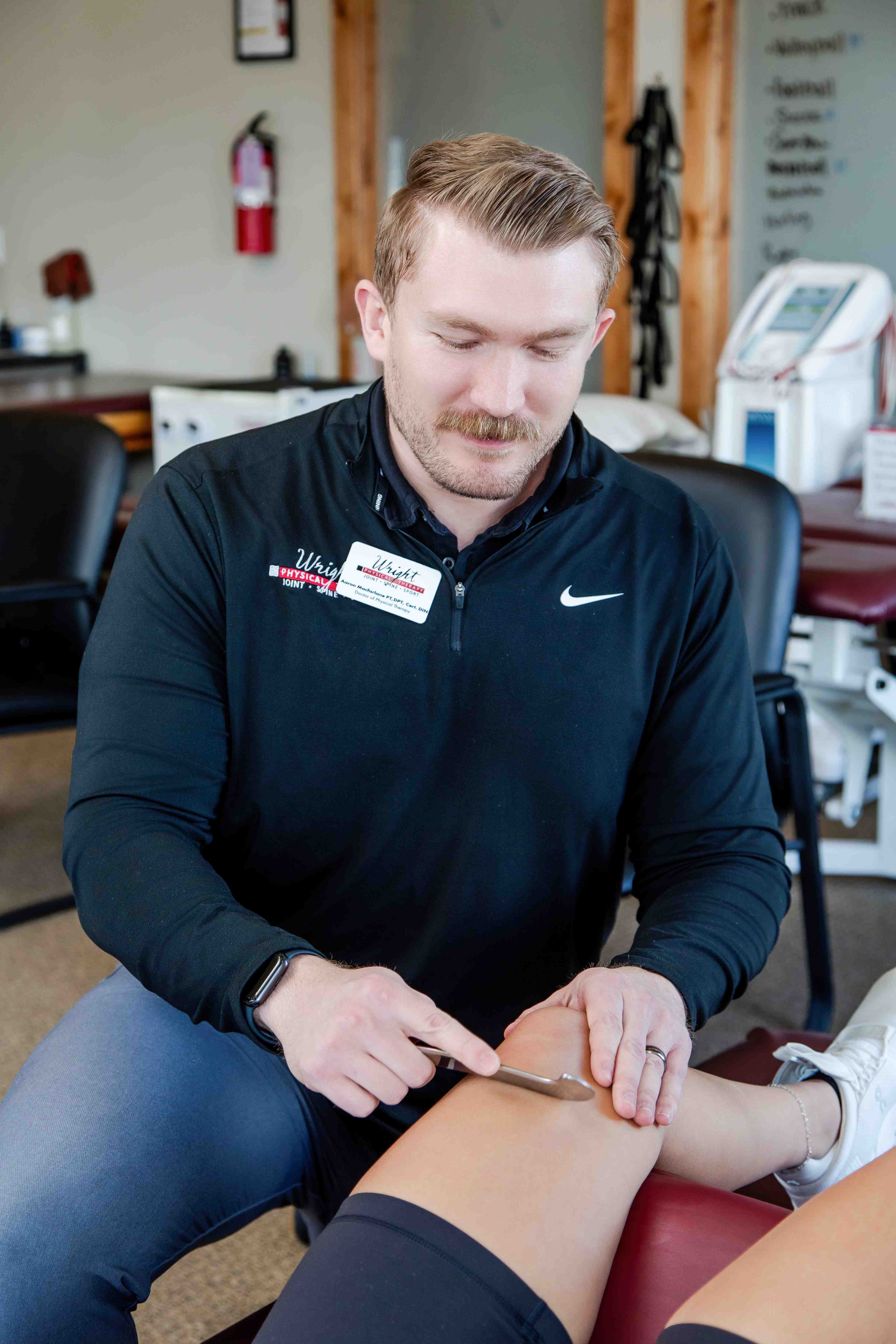
Electrical Stimulation uses mild electrical currents to stimulate the pelvic floor muscles. This can help improve muscle strength and coordination, especially for those who find it difficult to activate these muscles on their own. It’s another effective tool in the therapist’s arsenal to enhance your treatment.
Biofeedback Devices and Apps are also available for home use. These tools can provide additional support and guidance between therapy sessions. However, it’s crucial to consult your therapist before using any products you find online. Not all devices are safe or effective. Your therapist can recommend specific, reliable options.
The Importance of Home Exercises
Home exercises are a cornerstone of pelvic floor physical therapy. Consistency is key. Doing your exercises daily, even for just 15 minutes, can significantly improve your symptoms and overall pelvic health.
Effectiveness: Regular home exercises help maintain the progress made during therapy sessions. They also empower you to take charge of your own health. As Kelly Feddema, P.T. mentions, “Homework” is essential for long-term success.
Self-Management: Learning to manage your condition independently is a critical part of therapy. Your therapist will provide you with a tailored exercise plan and ensure you know how to perform each exercise correctly. This self-management aspect is vital for sustaining improvements and preventing future issues.
Incorporating relaxation techniques like deep breathing or gentle stretching can further enhance the benefits of your exercises. Many patients find that consciously relaxing their abdominal muscles before and during exercises improves their effectiveness.
Tracking Progress: Keeping a journal or using a mobile app to record your exercises can help you track your progress and stay motivated. Monitoring changes in symptoms, like reduced urinary incontinence or less pelvic pain, can be incredibly encouraging.
In summary, using technology like biofeedback and electrical stimulation can enhance your therapy, while consistent home exercises are crucial for long-term success. Next, we’ll address common concerns and questions about pelvic floor therapy, including the necessity of internal exams and the typical duration of treatment.
Conclusion
Why Choose Wright Physical Therapy?
Choosing the right provider for your pelvic floor physical therapy is crucial for your health and well-being. At Wright Physical Therapy, we are dedicated to offering exceptional care tailored to your unique needs.
Health Benefits
Pelvic floor physical therapy can significantly improve your quality of life. Whether you’re dealing with urinary incontinence, pelvic pain, or prolapse, our specialized treatments can help. By addressing the root cause of your symptoms, we aim to provide long-lasting relief.
Encouragement to Seek Care
We understand that discussing pelvic floor issues can be uncomfortable. However, remember that these problems are common and treatable. Seeking care from a qualified pelvic floor physical therapist can make a world of difference. Don’t let embarrassment keep you from getting the help you need.
Compassionate Competence
Our team at Wright Physical Therapy is not only highly skilled but also compassionate. We prioritize your comfort and respect your privacy. From the moment you step into our clinic, we aim to create a supportive and welcoming environment.
Community Impact
We believe in giving back to the community. A portion of our revenue is donated to organizations dedicated to protecting and empowering children. By choosing us, you’re not just receiving top-notch care; you’re also contributing to meaningful community initiatives.
Patient Education
Empowerment through education is a cornerstone of our practice. We ensure that every patient understands their treatment plan and the reasons behind each specific therapy or exercise. This knowledge equips you with the tools to manage your health and prevent future issues.
For more information on our services and how we can help you achieve your health goals, please visit our Pelvic Floor Therapy page.
Together, let’s move towards a healthier future.