
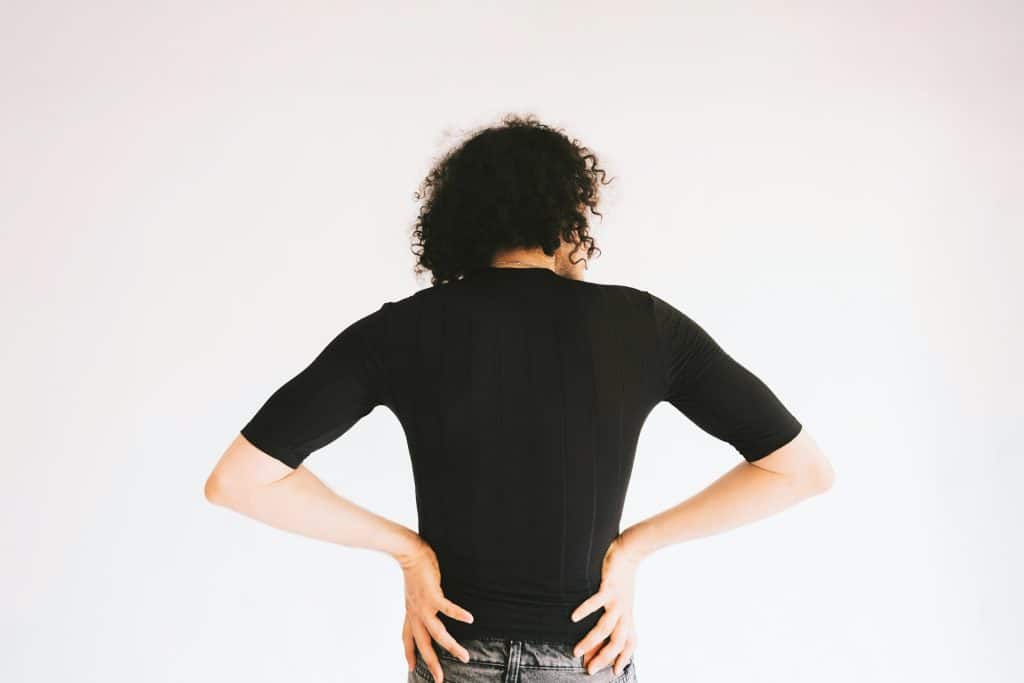
If standing up from a chair or getting out of your car has you wincing from hip pain, you’re not alone. That sharp or aching sensation in your hip when you rise to your feet can turn simple daily routines into a frustrating challenge. For people between the ages of 30 and 60, this kind of discomfort tends to sneak into life gradually, often starting off as a minor annoyance and developing into a persistent issue that’s hard to ignore. Whether the pain sits deep in your joint or shoots down your thigh, ignoring it won’t make it go away. In fact, putting it off might make it worse.
When your hip starts hurting from something as basic as standing up, your body’s telling you that something’s out of balance. The good news is you don’t have to just live with it. Understanding what’s going on inside your hip can help you take the right steps to fix the issue. Sometimes, the cause is easy to address with guided care and movement. Other times, it might require a deeper look. Either way, there are clear paths toward feeling better and moving freely again. Let’s look into what might be going on with your hip and what typically causes that pain when you stand up.
Common Causes Of Hip Pain When Standing Up
Not all hip pain is the same, and standing from a seated position can put pressure on different parts of the joint. Let’s explore the most common causes that might be triggering that discomfort.
- – Arthritis: One of the most frequent issues behind hip pain is osteoarthritis. Over time, the protective cartilage in your joint wears down, making movement stiff and painful. When you’re sitting, your hip stays in a relaxed position. But when you stand up, that movement compresses the joint, leading to sharp or aching pain. Morning stiffness that improves throughout the day is often linked to this.
- – Tendinitis: Tendons connect muscles to bones, and when they get irritated, it leads to tendinitis. If you feel a dull ache or sharp twinge when you stand up, it might be due to overworked hip flexors or gluteal tendons. This is especially common in active adults or people with repetitive movements in their routine.
- – Bursitis: Small fluid-filled sacs, called bursae, help cushion your joints. When they get inflamed, it leads to bursitis. You might notice tenderness on the outside of your hip or pain that feels worse after sitting for long periods. Standing up inflames the already irritated bursa, making that first movement quite painful.
- – Muscle Strains: Overdoing it during a workout or making a sudden movement might cause muscle strain. Pain from a strain is usually sharper and located in the front or side of the hip. You might also feel weakness or tightness when rising from a chair.
- – Hip Labral Tear: The labrum is a ring of cartilage that helps keep your hip joint stable. A tear can cause pain, clicking, or a sensation that your joint is locking. While this is more common in athletes, it can happen to anyone as a result of wear and tear or injury. Pain tends to spike with rotation or weight-bearing movements like standing.
Knowing what’s behind your pain is the first step. Each of these issues can have similar symptoms, so it’s easy to misinterpret the source without a closer look. In the next section, we’ll go over how a physical therapist can help figure out what’s really happening inside your hip and why pinpointing the cause matters for your recovery.
Diagnosing Hip Pain
To tackle hip pain effectively, getting the right diagnosis is key. When your hip starts to nag, the first step should be to seek out professional assessment. A physical therapist will not only zero in on the cause of your pain but also work with you to create a plan to get you back on your feet comfortably. Professional evaluation often includes a combination of techniques and insights that you just can’t get from self-assessment.
Here’s what you might expect during a professional assessment:
- – Physical Examination: This step usually starts with checking your range of motion and assessing which movements bring on pain. It’s a simple yet powerful way to understand how your hip is behaving.
- – Imaging Tests: Sometimes, a peek inside is needed. Your therapist may recommend X-rays or other imaging tests to see what’s happening beneath the surface. These tests can reveal issues like arthritis and help pinpoint the source of the problem.
- – Patient History: Your personal history of pain can offer crucial clues. Expect questions about when the pain started, how intense it is, and what triggers it. Describing your daily habits can also give insight into potential causes.
Once your therapist understands the root of your pain, they can tailor a treatment plan suited to your needs. This might mean focusing on exercises, suggesting adjustments in your routine, or even considering medical interventions if necessary.
Treatment Options For Hip Pain
There are several ways to tackle hip pain, each aimed at easing the ache and improving your movement. Let’s break down some of the common routes you and your therapist might explore.
- – Physical Therapy: This can be a big step forward for many dealing with hip pain. Physical therapy introduces specific exercises that target the muscles around your hip joint. These exercises strengthen and stretch those muscles, supporting better movement and reducing pain.
- – Medication: Sometimes, over-the-counter pain relief or anti-inflammatory medication can provide short-term comfort, giving you a break from persistent aches. It’s best to discuss these options with your healthcare provider to ensure they’re right for you.
- – Lifestyle Modifications: Changing how you go about daily activities can make a big difference. Perhaps it’s about tweaking your posture or being mindful of how you lift objects. Sometimes these small changes can lessen the strain on your hips quite significantly.
- – Advanced Treatments: In some situations, more advanced medical interventions might be necessary. Injections or surgery are options if conservative measures don’t bring relief. Always discuss these options thoroughly with your healthcare provider to understand the benefits and risks involved.
Preventing Hip Pain
Avoiding future hip pain is just as important as treating it. There are a few strategies that can help protect your hips and reduce the chance of discomfort when standing up.
- – Regular Exercise: Strengthening the muscles around your hips, such as your glutes and quads, can help support the joint and improve function. Focus on mobility exercises as well to maintain flexibility.
- – Proper Posture: Being aware of how you sit and stand can reduce unnecessary pressure on your hips. Keep your spine and hips in line, avoid slouching, and try not to stay in the same position for too long.
- – Weight Management: Carrying extra weight puts more stress on your joints, including your hips. Maintaining a healthy weight through balanced diet and activity can lessen that load and help prevent pain.
- – Ergonomic Adjustments: Look at how your workstation, car seat, or favorite chair is set up. Small modifications like seat cushions, proper back support, and adjusting seat height can make a noticeable difference.
Moving Toward a Pain-Free Life
Getting to the bottom of hip pain doesn’t have to be overwhelming. When you know the possible causes and have the right support, taking steps toward comfort becomes a lot more doable. From physical therapy that strengthens and protects your joint, to small changes in daily habits that ease stress on your hips, there’s a lot you can do to make progress.
Ignoring discomfort or waiting for it to go away often makes recovery harder. A thorough evaluation and a personalized care plan can help you avoid long-term issues and get you moving with more confidence again.
Hip pain when standing up can take a toll on your energy and mood. But with early action, education, and the right guidance, it’s possible to get back to your routine with less pain and more ease. Keep in mind, you don’t have to push through it or figure it all out alone. Support is available and recovery is within reach.
When dealing with hip discomfort, getting timely and effective help can make all the difference. Explore how our personalized physical therapy services at Wright Physical Therapy can support your recovery and help you move with greater comfort and confidence each day.