
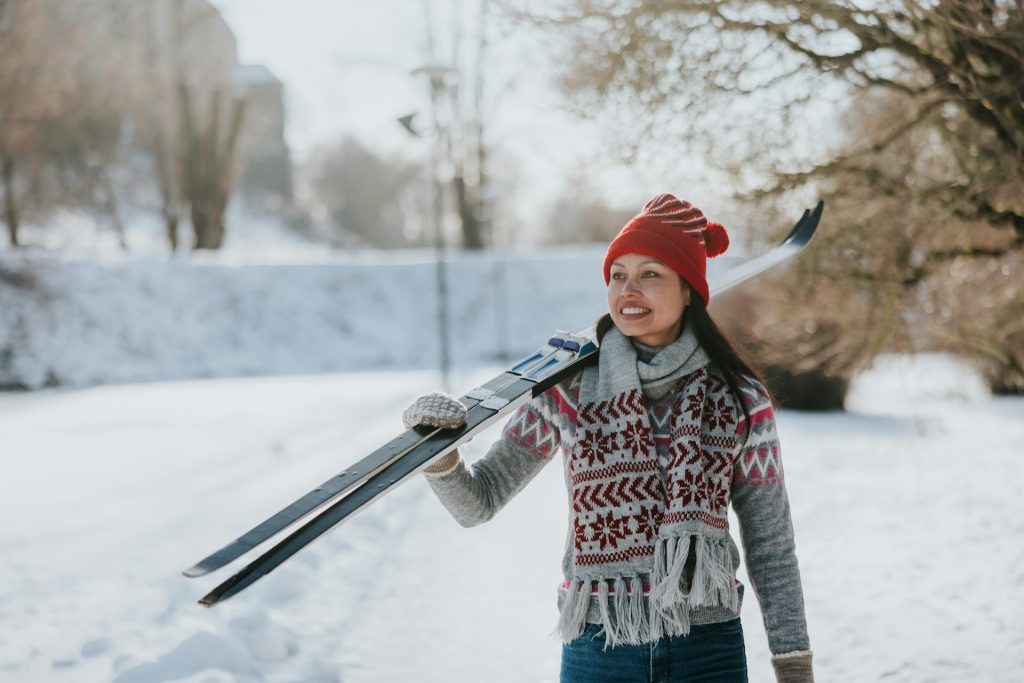
Winter sports bring excitement, challenge, and a refreshing way to stay active through the colder months. Whether you’re snowboarding in the mountains around Twin Falls or enjoying cross-country trails near Idaho Falls, having your body ready makes a big difference. More than just improving performance, preparing your body helps lower the chances of injury and keeps you feeling good all season. Cold months can be tougher on joints and muscles, especially when people go from low activity levels straight into high-impact snow activities.
Many common injuries seen during winter sports are preventable with the right kind of prep. Things like knee strains, shoulder sprains, and pulled muscles happen when your body isn’t conditioned for the movements involved. Even something as simple as going downhill fast with cold, tight muscles can lead to a fall or twist you can’t recover from easily. Proper training, warm-ups, and targeted strength work can help you stay ready and pain-free.
Warm-Up And Stretching Routines
When the air is cold, jumping straight into movement can backfire. Warming up your body signals your muscles to get moving and helps you avoid pulling something in those early moments on the hill or trail. A good warm-up increases your heart rate, activates your joints, and loosens up tight areas. That way, when it’s time to ski, skate, or snowboard, your body already knows what to do.
Here’s a simple approach to warming up before your next winter activity:
1. Start with light movement
Walk briskly or do gentle jumping jacks for about five minutes to raise your core temperature.
2. Activate your joints
Do big arm circles, hip openers, and ankle rolls to help prep the areas you’ll use most.
3. Dynamic stretches
Avoid static (still) stretches right away. Instead, go with movements like walking lunges, standing leg swings, or butt kicks to stretch while moving.
Once the activity is done, that same attention to movement is still important. Cooling down doesn’t just help you chill out. It supports recovery and prevents next-day soreness. After finishing up, take about five to ten minutes to do gentle static stretching while your muscles are still warm. Focus on key areas like the hamstrings, quads, calves, and lower back.
A small change we’ve seen help people in Idaho is building a five-minute stretch routine into the morning before any winter adventure. It becomes a habit and just part of the day like brushing your teeth. Those few minutes can prevent days or even weeks of discomfort.
Strength And Conditioning For Winter Sports
Strength doesn’t just mean lifting heavy weights. It’s about giving your body the stamina, control, and stability that winter sports demand. These activities often involve sudden stops, quick turns, or bracing falls, and your muscles and joints need to support those actions safely.
Some of the most used muscle groups across winter sports include:
– Core muscles (abs, obliques, lower back)
– Quads and hamstrings for knee support
– Glutes and hips for balance
– Ankles and calves for control and push-off strength
– Shoulders and upper back for ski poles, snowboarding movements, or falls
Working on strength here reduces your chance of overloading one area or letting poor technique slip in when you get tired. It also helps your body stay aligned, so that joints like knees and shoulders don’t have to take all the pressure alone.
Simple exercises that work well for winter prep:
– Squats and lunges to build lower body control
– Planks or bridges to keep the core strong
– Resistance band work for shoulders and upper body
– Step-ups or single leg balances to improve ankle stability
Even practicing these two to three times a week can make a big difference once you’re out in the snow. The more well-rounded your training is, the better your reaction time, balance, and endurance. You’ll feel more confident doing what you love and won’t be as sore afterward.
Injury Prevention Tips
Staying active during winter months is great, but it also means being mindful of potential injuries. Various factors can lead to accidents or strains, including icy surfaces, unfamiliar terrains, or even just pushing yourself too hard. Recognizing these risks is the first step to safeguarding against them. Making small adjustments reduces injury risk.
Some practical tips include:
– Choose the right equipment
Make sure your gear fits well and is appropriate for the activity. This includes properly fitting boots, helmets, and any necessary protective gear.
– Check the terrain
Be aware of the surfaces you’ll be active on. Testing icy patches with your foot before committing to any fast maneuvers is helpful. This keeps your awareness sharp and your risks low.
– Set realistic limits
It can be tempting to tackle that steep hill after a whole week of sitting at a desk. Starting with moderate challenges and building up to more difficult slopes can be beneficial.
Investing in proper technique plays a big role in prevention. Whether it’s learning from a coach or taking a few classes, understanding the correct form can save your knees, hips, and back a lot of strain. Good technique is as important as the fun factor because it keeps you enjoying the snow season instead of recovering on the sidelines.
Recovery and Rehabilitation
No matter how prepared you are, sometimes injuries happen. When they do, knowing the right steps to take is important for a good recovery. Rest, ice, compression, and elevation (R.I.C.E) is a reliable way to manage many soft tissue injuries early on, helping reduce swelling and speed up healing.
Rehabilitation isn’t just about icing sore spots. It’s a process that involves regaining movement, strength, and confidence in the injured area. A balance between rest and gradual activity helps. Physical therapists can assist by guiding you through specific exercises customized to support healing and prevent future issues.
Ongoing therapy can help recovery by:
– Assessing injury causes
Knowing why an injury happened helps stop it from happening again.
– Personalized exercise plans
Exercises focused on your body and sport can support steady progress.
– Guidance on progression
Understanding when to increase activity without risking more harm is helpful. Therapists often guide this process.
Embracing a Healthier Winter Sports Season
Taking extra care before and after hitting the slopes can make your winter season more enjoyable and safer. Preparation strengthens your body, and smart injury prevention helps deal with surprises without missing out. Having a recovery plan turns minor setbacks into manageable events.
Staying active and injury-free means checking in with reliable support and guidance. Seeing a physical therapist in Idaho regularly can keep you moving in the right direction. Small, steady habits lead to better motion and more fun in the snow.
For those ready to take their winter sports experience to the next level while staying safe and strong, working with a physical therapist in Idaho can make all the difference. At Wright Physical Therapy, our personalized care helps you recover quickly and build resilience for future adventures so you can make the most of every moment this season.