
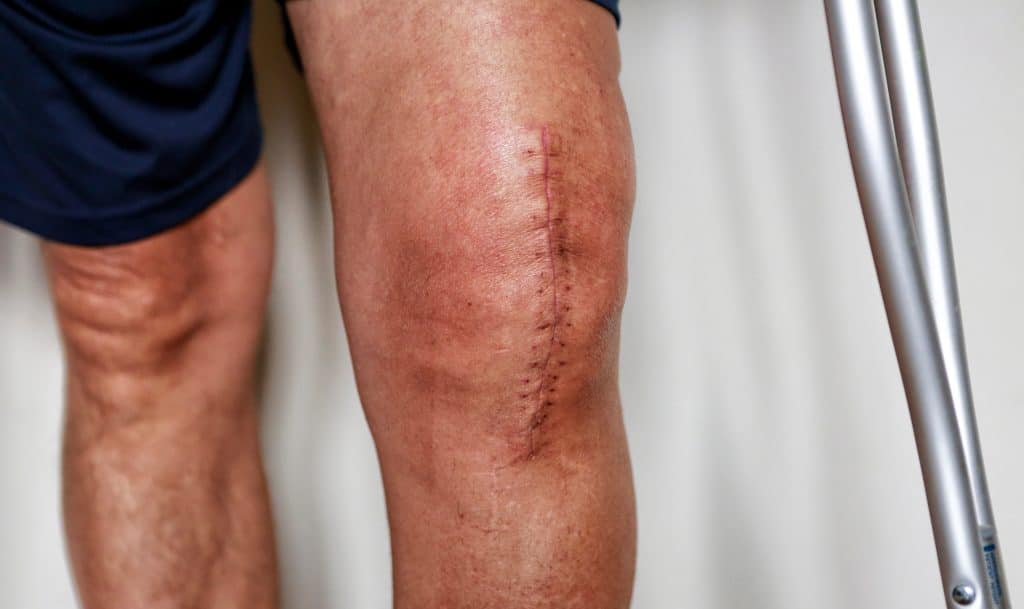
Knee recovery after surgery is a journey that can vary widely among individuals, but there are some common steps most people will experience. After undergoing a knee replacement, you can expect a recovery timeline that typically spans several months. Here’s a quick snapshot of what to anticipate:
- Initial Week: You will likely experience significant swelling and discomfort.
- First Six Weeks: With the help of physiotherapy, you should notice improvements in mobility and strength.
- Three to Six Months: Most patients can return to a majority of their regular activities, although high-impact movements should still be avoided.
- One Year: Typically, full recovery is achieved by this point, with the knee functioning much better than before surgery.
Knee replacement surgery involves replacing damaged knee parts with artificial components to relieve pain and restore function. While it’s a complex and major surgical procedure, many people find the results life-changing for the better.
I’m Bryan Wright, a passionate advocate for improving lives through expert care in knee recovery after surgery. With years of experience in physical therapy, my goal is to inspire and guide you toward a joyful, pain-free life. Let’s explore this journey together for a smoother recovery.
Understanding Knee Recovery After Surgery
Knee recovery after surgery is a carefully structured process that involves various phases, each with its own focus and goals. Here’s a breakdown of the early stages and milestones you can expect on this journey to improved mobility.
Initial Recovery Phase
Hospital Stay: Right after your knee replacement surgery, you’ll spend a short time in the hospital. For those undergoing day surgery, you might even be discharged on the same day. During this time, the focus is on managing pain and beginning gentle movements.
Pain Relief: Expect to receive pain medication to help manage discomfort. It’s crucial to take these as prescribed to stay comfortable and aid in mobility. You might experience significant swelling and discomfort, but this is a normal part of the healing process.
Mobility Aids: Getting mobile is a key part of recovery. Initially, you’ll use aids like crutches or a walker to help you move around safely. Your physiotherapist will guide you on how to use these aids effectively.
Knee Recovery After Surgery: Key Milestones
3-6 Weeks: During this period, your mobility will start to improve significantly. You’ll likely transition from a walker to a cane or even walking unassisted. This is a critical time for building strength and range of motion through physical therapy.
Physical Therapy Exercises: These exercises are custom to your needs and are essential for regaining strength and flexibility. They may include gentle leg lifts, ankle circles, and seated exercises to maintain circulation and muscle tone.

Walking Aids: As you progress, the need for walking aids will decrease. By the end of the first six weeks, many patients find they can move around with minimal support.
Pain Management: Managing pain and swelling remains important. Techniques like ice therapy and elevation can help reduce swelling and discomfort. Always follow your healthcare provider’s advice on medication and other pain management strategies.
Progress Monitoring: Regular check-ins with your healthcare team will ensure that your recovery is on track. They’ll assess your progress and adjust your rehabilitation plan as needed.
By understanding these phases and milestones, you can better prepare for your recovery journey. Every patient’s experience is unique, but these general guidelines can help set realistic expectations and encourage a proactive approach to recovery.
Next, we’ll dive into tips for a successful knee recovery after surgery, including how to prepare your home and adjust your lifestyle for the best outcomes.
Tips for a Successful Knee Recovery After Surgery
Managing Pain and Swelling
Managing pain and swelling is crucial for a smooth recovery. Here’s how you can do it effectively:
-
Pain Medication: Follow your healthcare provider’s advice on taking pain medication. A mix of prescription and over-the-counter options, like NSAIDs, can help manage discomfort. Be sure to take these as directed to avoid complications.
-
Ice Therapy: Applying ice packs can reduce swelling and numb the area, providing relief. Use ice for 15-20 minutes several times a day, but always wrap the ice pack in a towel to protect your skin.
-
Elevation: Keep your leg liftd, especially in the first few weeks, to help reduce swelling. Prop your leg up on pillows while resting, ensuring your foot is above the level of your heart.
Returning to Daily Activities
Getting back to your normal routine is a gradual process. Here’s how to ease into it:
-
Home Preparation: Before surgery, make your home recovery-friendly. Remove tripping hazards, secure rugs, and install handrails or grab bars where needed. This will help you move around safely.
-
Exercise Routines: Stick to the exercise plan provided by your physiotherapist. These exercises are designed to improve strength and flexibility gradually. Simple activities, like seated leg lifts or ankle circles, can be done while watching TV.
-
Lifestyle Adjustments: Avoid high-impact activities like running or jumping. Instead, focus on low-impact exercises such as swimming or cycling once you’re cleared by your healthcare provider.
-
Driving: Most people can resume driving about six weeks after surgery, but only if they feel confident and can safely control the vehicle. Check with your surgeon before getting back behind the wheel.
-
Work and Sports: Returning to work depends on the physical demands of your job. Desk jobs might allow a quicker return, while physically demanding roles may require more time. Sports should be reintroduced gradually and only after getting the green light from your healthcare team.
By following these tips for a successful knee recovery after surgery, you can improve your healing process and return to your daily activities safely. Next, we’ll explore more about managing your recovery and getting back to activities you love.
Conclusion
At Wright Physical Therapy, we understand that knee recovery after surgery is a journey unique to each individual. Our commitment is to provide personalized care custom to your specific needs and goals. This ensures that you regain your mobility and return to the activities you love with confidence.
Personalized Care
Our approach centers on treating pain at its source, not just the symptoms. We develop customized recovery plans that address your current abilities and limitations. By focusing on your unique recovery path, we aim to optimize your healing process and functional gains. Our therapists are here to guide you every step of the way, ensuring that your rehabilitation is both effective and efficient.
Patient Education
Education plays a crucial role in your recovery. We believe that informed patients make better decisions about their health. That’s why we prioritize teaching you about your condition, recovery expectations, and proper body mechanics. This empowers you to actively participate in your rehabilitation journey and helps prevent re-injury.
Our team is dedicated to providing compassionate care with great character, ensuring that you feel supported throughout your recovery. Whether it’s through personalized exercise programs or lifestyle advice, we’re here to help you achieve the best possible outcomes.
For more information on how Wright Physical Therapy can assist with your post-surgical rehabilitation, visit our post-surgical rehabilitation service page.
By choosing Wright Physical Therapy, you’re not just receiving treatment; you’re partnering with a team committed to your well-being and long-term health. Let’s take this journey together and get you back to living your life to the fullest.