

Introduction
Do I need to shave for pelvic floor physical therapy? The short answer: No. Shaving is not necessary for pelvic therapy sessions. Your therapist is a trained professional focused on your treatment, not your grooming habits. Personal grooming choices will not impact the quality of your care.
Pelvic floor physical therapy plays a crucial role in improving the lives of many people facing issues like pelvic pain, incontinence, or postpartum recovery. This specialized type of physical therapy aims to strengthen and rehabilitate the pelvic floor muscles, which can alleviate symptoms and boost overall quality of life.
The therapy process often involves internal examinations and targeted exercises. It is natural to have questions and concerns, including those about personal grooming and preparation. Addressing common questions upfront can help demystify the experience and make you feel more comfortable. Understanding what to expect can also make your first visit less intimidating and more productive.
Below, you’ll find some essential points on how to prepare for your session, ensuring a smooth and stress-free experience.
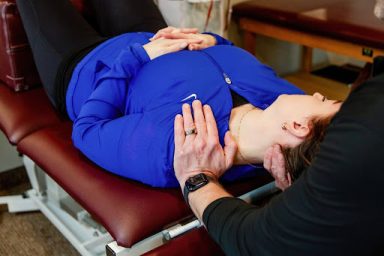
By addressing these common concerns right away, you can focus on the ultimate goal: finding relief and improving your pelvic health.
Do I Need to Shave for Pelvic Floor Physical Therapy?
Understanding Pelvic Floor Therapy
Pelvic floor therapy is designed to help with a range of conditions like pelvic pain, incontinence, and postpartum care. It involves exercises, manual therapy, and education to strengthen or relax the pelvic floor muscles.
Preparing for Your First Visit
Personal Comfort
One of the most common questions is: “Do I need to shave for pelvic floor physical therapy?” The answer is no. Shaving or grooming is a personal choice and is not required for your session. Your therapist is focused on your health and comfort, not your grooming habits.
Hygiene Practices
It’s natural to want to be clean for your appointment. However, avoid using scented wipes or new products that could cause irritation. Simple, gentle hygiene practices are sufficient. Over-grooming can actually irritate the area, especially if you have pelvic pain or sensitivity.
Professional Standards
Your therapist will follow professional standards to ensure your comfort and privacy. They will explain each step and only proceed with your consent. If you are on your period, you can still attend your appointment. Many aspects of therapy, such as exercises and education, can be done without internal exams.
Comfortable Clothing
Wear comfortable clothing to your session. Sometimes, your therapist may need to see or touch your skin, especially around the abdomen or back. Loose, easy-to-remove clothing is best. If your session involves exercise, wear gym shoes suitable for physical activity.
Mental Preparation
Feeling anxious about your first visit is normal. Knowing what to expect can help ease your mind. Your therapist will discuss your concerns and explain each procedure. You are welcome to bring a partner, friend, or family member for support, as long as you feel comfortable with them being present.
By addressing these common concerns right away, you can focus on the ultimate goal: finding relief and improving your pelvic health.
What to Expect During Pelvic Floor Physical Therapy
The Role of Internal Examinations
When starting pelvic floor physical therapy, many people wonder about internal exams. Will it hurt? Do I really need to do it? These are common questions, and the answers can help put your mind at ease.
Internal exams are a key part of assessing your pelvic floor health. With your consent, your therapist may perform a vaginal or rectal exam to check muscle strength, endurance, and coordination. This helps them understand your specific needs and tailor your treatment plan.
Consent is critical. You are in control, and your therapist will only proceed with what you are comfortable with. If at any point you feel uncomfortable or experience pain, you can ask them to stop. Internal exams typically last between 5-10 minutes, so they won’t take up your entire session.
Non-Invasive Alternatives
If you’re not ready for an internal exam, don’t worry—there are plenty of non-invasive alternatives to help you on your path to better pelvic health.
External techniques involve manual therapy around the pelvis. Your therapist can use their hands to assess and treat muscles from the outside, helping to relieve tension and improve function.
Exercise programs are another cornerstone of pelvic floor therapy. Your therapist will guide you through specific exercises designed to strengthen your pelvic muscles. These exercises can be done at home, making them a convenient option for those who prefer less invasive treatments.
Biofeedback is a technology that helps you understand how well you are contracting your pelvic floor muscles. Sensors are placed on your body to give real-time feedback, helping you improve your technique and muscle control.
By combining these methods, your therapist can create a comprehensive plan that fits your comfort level and addresses your unique needs. Whether you opt for internal exams or non-invasive techniques, the goal is the same: to improve your pelvic health and quality of life.
Common Concerns and Misconceptions
Addressing Privacy and Comfort
When it comes to pelvic floor physical therapy, privacy and comfort are top priorities. Many patients worry about feeling exposed or uncomfortable during sessions. Rest assured, therapists use draping techniques to cover you appropriately, ensuring your dignity is maintained throughout the treatment.
Confidentiality is also crucial. Anything you share with your therapist is kept private. This is your safe space to discuss your concerns openly.
Patient rights are always respected. You have the right to consent or decline any part of the treatment. If something makes you uneasy, speak up. Your comfort is paramount.
Debunking Myths
Treatment Pain: A common myth is that pelvic floor therapy is painful. This is generally not true. While some discomfort might occur, especially if you have chronic pain, the goal is to make you comfortable. Therapists encourage feedback and can adjust techniques to minimize discomfort.
Gender Specificity: Pelvic floor issues are not exclusive to women. Men also benefit from pelvic floor therapy, especially for conditions like urinary incontinence and erectile dysfunction. Both genders can experience significant improvements through targeted treatments.
Device Usage: Unlike a gynecological exam, pelvic floor therapy rarely uses tools like a speculum. Most assessments are done with a clean, gloved hand. Occasionally, a Q-tip or muscle stimulator might be used, but these are explained thoroughly beforehand.
By addressing these common concerns and misconceptions, we aim to make your therapy experience as comfortable and effective as possible. Your therapist is there to guide you through every step, ensuring you feel supported and informed.
Enhancing Your Pelvic Floor Health
Lifestyle Modifications for Better Pelvic Health
Taking care of your pelvic floor isn’t just about therapy sessions. Simple lifestyle changes can make a big difference.
Diet: Eating a balanced diet rich in fruits, vegetables, whole grains, lean proteins, and healthy fats can support your pelvic floor health. Foods rich in antioxidants and probiotics (like yogurt and sauerkraut) help balance pH levels and prevent infections.
Hydration: Drinking plenty of water keeps your muscles hydrated and functioning well. Aim for at least 8 glasses of water a day.
Stress Management: Stress can tighten your pelvic floor muscles, making symptoms worse. Practices like meditation, yoga, or even deep breathing exercises can help you relax and reduce muscle tension.
Exercises to Strengthen the Pelvic Floor
Exercise is crucial for maintaining a strong pelvic floor. Here are some key exercises:
Kegels: These exercises involve contracting and relaxing the muscles that control urination. To do a Kegel, imagine you’re trying to stop the flow of urine. Hold the contraction for a few seconds, then release. Repeat this exercise several times a day.
Core Workouts: Strengthening your core can also help your pelvic floor. Exercises like planks, bridges, and even gentle Pilates can be beneficial.
Guided Physical Therapy: Working with a physical therapist can provide you with a tailored exercise plan. Therapists can use biofeedback and manual techniques to ensure you’re doing the exercises correctly and effectively.
Regular Check-Ups: Regular visits to your healthcare provider can help track your progress and make necessary adjustments to your treatment plan.
By incorporating these lifestyle modifications and exercises, you can enhance your pelvic floor health and improve your quality of life.
Conclusion
At Wright Physical Therapy, we are dedicated to providing our patients with the highest quality care. Pelvic floor physical therapy can be a life-changing experience, offering relief from pain and discomfort that may have persisted for years. Our goal is to empower you with the knowledge and tools you need to take control of your pelvic health.
Wright Physical Therapy: Your Partner in Health
We specialize in a range of treatments designed to address various pelvic floor issues, from postpartum recovery to managing chronic pelvic pain. Our team of experts is here to support you every step of the way, ensuring that you feel comfortable and informed throughout your treatment journey.
Community Impact
We believe in the power of community and strive to make a positive impact through our services. By offering comprehensive pelvic floor therapy, we aim to improve the overall well-being of our patients. Our commitment extends beyond individual treatment; we actively participate in community education and wellness programs to raise awareness about pelvic health.
Patient Education
Education is a cornerstone of our practice. We provide our patients with detailed information about their condition and treatment options. Our goal is to make sure you understand every aspect of your care, from the importance of pelvic floor health to the specific exercises and techniques that will benefit you most.
We also offer various resources, including patient handouts and access to our health blog, to keep you informed and engaged in your treatment plan.
Taking the first step toward pelvic floor health can be daunting, but you don’t have to do it alone. Wright Physical Therapy is here to help you every step of the way.
Ready to take the next step? Contact Wright Physical Therapy to schedule your consultation and start your journey to better pelvic health today!