

Introduction
Pediatric pelvic floor therapy near me can be a life-changing resource for children experiencing issues with bowel and bladder control. Every year, millions of children suffer from pelvic floor dysfunction, leading to incontinence, constipation, and other related problems. Early intervention with physical therapy can significantly improve their quality of life.
Quick answers to get started:
– Many children suffer from pelvic floor dysfunction, but physical therapy offers a non-invasive solution.
– Common issues treated include bedwetting, constipation, and urinary incontinence.
– Specialized pediatric pelvic therapists are trained to work with children using techniques like biofeedback and muscle exercises.
Why is this important?
Having a child deal with bowel or bladder issues can be emotional for both the parent and child. These problems often lead to feelings of shame and embarrassment, which can affect a child’s behavior and self-esteem. Addressing these issues promptly can help children regain confidence and improve their overall well-being.
Benefits of Pediatric Pelvic Floor Therapy:
– Non-Invasive: Uses techniques like biofeedback, muscle strengthening, and behavioral modifications.
– Team Approach: Involves parents, caregivers, therapists, and physicians to ensure comprehensive care.
– Effective Treatments: Specialized interventions can lead to significant improvements in bowel and bladder control.
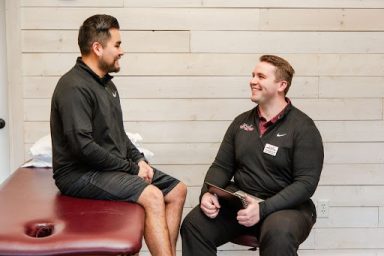
Understanding Pediatric Pelvic Floor Therapy
Pediatric pelvic floor therapy is a specialized treatment aimed at helping children who struggle with urinary leaks, bowel issues, and bladder dysfunction. Let’s break down what it is, why it’s important, and how it helps kids gain muscle control.
Definition and Purpose
Pediatric pelvic floor therapy focuses on strengthening and coordinating the muscles around the bladder and bowel. These muscles, known as the pelvic floor muscles, play a crucial role in controlling urination and bowel movements.
Purpose:
– Improve Muscle Control: Helps children gain better control over their bladder and bowel functions.
– Reduce Symptoms: Aims to minimize or eliminate urinary leaks, constipation, and other related issues.
– Enhance Quality of Life: Allows children to lead more comfortable and confident lives without the fear of accidents.
How It Works
Muscle Control:
The therapy involves exercises and techniques to teach children how to properly use their pelvic floor muscles. Often, a computer with visual feedback is used to show how the muscles are working, which makes it easier for kids to understand and stay motivated.
Techniques:
– Biofeedback: Gel-based electrodes are placed around the anus to measure muscle activity. The results are displayed on a computer screen, helping children see when they are contracting or relaxing their muscles correctly.
– Exercises: Kids are guided through specific exercises designed to strengthen the pelvic floor muscles. These exercises are often fun and engaging to keep them interested.
– Homework: Children are given exercises to practice at home. This reinforces what they learn during therapy sessions and helps them make faster progress.
Real-World Impact
Millions of children suffer from pelvic floor dysfunction, yet many don’t get the right help. According to the research, 20% of pediatrician visits are for incontinence problems. With the right therapy, these issues can often be significantly improved or even resolved.
Case Study:
One child who underwent pelvic floor therapy was able to reduce nighttime bedwetting from nightly occurrences to just once a month within six months. This not only improved the child’s sleep but also boosted their confidence and overall happiness.
Quote:
“Biofeedback has been a game-changer for my child. Seeing the muscle activity on the screen made it fun and educational,” says one parent.
By understanding what pediatric pelvic floor therapy is and how it works, you can see why it’s a valuable option for children facing these challenges.
Next section: Why Choose Pediatric Pelvic Floor Therapy Near Me?
Why Choose Pediatric Pelvic Floor Therapy Near Me?
Choosing pediatric pelvic floor therapy near me offers several advantages that can make a big difference in your child’s treatment and overall experience. Let’s explore some of the key benefits:
Accessibility
One of the main reasons to opt for local therapy is accessibility. Having a nearby clinic means:
- Shorter travel times: Less time on the road makes it easier to fit appointments into your busy schedule.
- Consistency: Regular visits are crucial for effective treatment. A nearby location ensures you won’t miss out due to travel hassles.
- Emergency visits: If an urgent issue arises, you can quickly reach the clinic.
Local Expertise
Local clinics often have therapists who are well-versed in the specific needs of the community. For example, at Wright Physical Therapy, our therapists:
- Specialized Training: Have completed specialized training in pediatric pelvic floor dysfunction.
- Experience: Are familiar with common local health issues and can tailor treatments accordingly.
- Holistic Approach: Work closely with local pediatricians to provide comprehensive care.
Community Support
Being part of a local community can provide an added layer of support:
- Parent Networks: Local therapy centers often connect parents facing similar challenges, creating a support network.
- Community Resources: Access to local resources like support groups, educational workshops, and community events.
- Familiar Environment: Children often feel more comfortable and less anxious in a familiar setting close to home.
Real-World Impact
Consider the case of a child in Tampa Bay who experienced frequent urinary leaks. With the help of local pelvic floor therapy, the child saw significant improvement within months. The familiar environment and consistent visits played a crucial role in their success.
Fact: 20% of pediatrician visits are for incontinence problems, making local expertise invaluable.
Choosing a local option like Wright Physical Therapy ensures that your child receives personalized, effective care without the added stress of long commutes or unfamiliar environments.
Next section: Common Conditions Treated with Pediatric Pelvic Floor Therapy
Common Conditions Treated with Pediatric Pelvic Floor Therapy
Pediatric pelvic floor therapy addresses several conditions that can affect a child’s quality of life. Understanding these conditions helps in recognizing the importance of seeking specialized care. Here are the most common issues treated:
Urinary Leaks
Many children experience urinary leaks beyond the typical potty training age. This can be during the day or at night, known as nocturnal enuresis (bedwetting). 5 million youngsters complain of nighttime bedwetting. Pelvic floor therapy helps by strengthening and coordinating the muscles that control the bladder, leading to fewer accidents.
Bowel Issues
Bowel problems like chronic constipation and encopresis (bowel incontinence) can be particularly distressing for children. 15% of visits to gastrointestinal doctors are for lower-bowel dysfunction. Pelvic floor therapy includes muscle relaxation techniques and biofeedback to help children gain control over their bowel movements.
Bladder Dysfunction
Bladder dysfunction can manifest as urinary frequency, urgency, or retention. 3% of pediatrician visits are for constipation, which can also affect bladder function. Pelvic floor therapy helps by retraining the bladder and improving muscle coordination, making bathroom trips more predictable and less stressful.
Case Study
A young patient named Lily struggled with frequent urinary leaks and constipation. After a few months of pediatric pelvic floor therapy near me, she saw significant improvements. The therapy included biofeedback and muscle exercises tailored to her needs. Her confidence and daily comfort increased, showing how effective these treatments can be.
Why It Matters
These conditions can lead to emotional and social challenges. Children may feel embarrassed or ashamed, impacting their behavior and interactions. Addressing these issues early with pediatric pelvic floor therapy can improve not just physical health, but emotional well-being too.
By understanding these common conditions, parents can make informed decisions about seeking the right care for their child. Local options like Wright Physical Therapy provide specialized, compassionate treatment to help children lead healthier, happier lives.
How Pediatric Pelvic Floor Therapy Works
Evaluation
The first step in pediatric pelvic floor therapy is a thorough evaluation. This initial appointment usually lasts about two hours. A pediatric urologist’s referral is required. During this session, the therapist will review your child’s medical history and the completed forms you bring along.
The therapist then places gel-based electrodes around the anus. These electrodes are connected to a computer, allowing real-time visualization of muscle activity. Your child will perform specific pelvic floor exercises while seated comfortably. The computer shows how well the muscles work and relax, helping the therapist to analyze and explain the results.
Biofeedback
Biofeedback is a key component of this therapy. It’s a non-invasive technique that teaches children to control their pelvic floor muscles better. The gel-based electrodes provide visual and audio feedback through the computer. This helps kids understand when they are contracting or relaxing their muscles correctly.
Research shows that biofeedback is effective in treating children with incontinence. It helps them have healthier, more complete trips to the bathroom by training them to coordinate their pelvic floor and sphincter muscles.
Exercises
Each therapy session includes a variety of pelvic floor exercises. These exercises are designed to strengthen and coordinate the muscles that control the bladder and bowel. Your child will practice these exercises during the session and will also receive homework to complete between sessions. Homework may include exercises, educational activities, and diet-related tips to improve bladder control.
Common exercises include:
- Kegels: Tightening and relaxing the pelvic floor muscles.
- Bridge Exercise: Lifting the buttocks off the ground while keeping the abdominal muscles engaged.
Visual Feedback
Visual feedback from the computer is a motivational tool for children. It shows them how their muscles are performing in real-time, making it easier to understand and follow the therapist’s instructions. This interactive element keeps children engaged and helps them see their progress over time.
By combining these elements—evaluation, biofeedback, exercises, and visual feedback—pediatric pelvic floor therapy offers a comprehensive approach to treating urinary leaks and other related issues. This method not only improves physical health but also boosts a child’s confidence and overall well-being.
Frequently Asked Questions about Pediatric Pelvic Floor Therapy
Can children do pelvic floor therapy?
Absolutely. Children can effectively participate in pediatric pelvic floor therapy. The process is designed to be child-friendly and engaging. For example, biofeedback uses animated visuals to show how their muscles are working, which makes it easier for kids to understand and follow instructions.
This type of therapy can reduce the need for medications and even enhance the effectiveness of surgical interventions when necessary. By focusing on muscle training and healthier bathroom habits, children often see significant improvements in their symptoms.
Can you bring baby to pelvic floor therapy?
Yes, you can bring your baby to pelvic floor therapy sessions. Many clinics offer flexible appointment times to accommodate parents with young children. However, keep in mind that having a baby present might be a distraction for some older children who need to focus on their exercises.
If you do need to bring a baby along, consider bringing toys or snacks to keep them occupied. Clinics often have family-friendly environments to make your visit as smooth as possible.
What is pelvic floor biofeedback for kids?
Pelvic floor biofeedback is a non-invasive technique that helps children gain better control over their pelvic floor muscles. It uses visual and audio cues from a computer program to show kids how to contract and relax these muscles correctly.
This training is especially useful for children with uncoordinated muscle patterns. By improving muscle coordination, biofeedback helps kids have healthier, more complete trips to the bathroom. It can make a big difference for those dealing with urinary leaks, constipation, or other bladder issues.
Healthier bathroom trips and improved muscle training are the main goals of this therapy. Over time, children can learn to manage their symptoms more effectively, leading to better overall health and well-being.
Benefits of Choosing Local Pediatric Pelvic Floor Therapy
Community Impact
Choosing local pediatric pelvic floor therapy can make a big difference in your community. When you opt for nearby services, you support local healthcare providers and contribute to the local economy. It also helps build a network of resources and expertise that can benefit other families facing similar issues. This sense of community can be especially comforting for parents and children dealing with the emotional aspects of pelvic floor dysfunction.
Immediate Access
One of the biggest advantages of choosing local therapy is immediate access to care. When your child needs help, waiting for weeks or traveling long distances can be stressful. Local options mean quicker appointments and more consistent follow-ups. This timely access can lead to faster improvements in your child’s condition. It also makes it easier to coordinate care with other local healthcare providers, ensuring a more seamless treatment experience.
Tailored Care
Local therapists often have a better understanding of the specific needs and challenges of their community. This allows them to provide more tailored care. They can adapt their treatment plans to suit your child’s unique situation, making the therapy more effective. For example, they might consider local dietary habits or school schedules when creating a home exercise program. This personalized approach can lead to better outcomes and a more positive experience for both you and your child.
Choosing a local provider for pediatric pelvic floor therapy near me means your child gets the specialized, compassionate care they need, right in your own community. This not only supports your child’s health but also strengthens the healthcare network around you.
Conclusion
At Wright Physical Therapy, we understand how challenging and emotional it can be for both parents and children dealing with pelvic floor dysfunction. Our goal is to provide personalized care that meets the unique needs of each child. We believe that every child deserves compassionate and effective treatment to improve their quality of life.
Our team of specialized physical therapists is dedicated to offering effective treatment options that are non-invasive and tailored to the individual. From the initial evaluation to the final treatment session, we ensure that both the child and the parent feel comfortable, respected, and supported throughout the therapy process.
Pelvic floor therapy at Wright Physical Therapy includes a comprehensive approach that utilizes biofeedback, muscle strengthening, relaxation techniques, and behavioral modifications. This holistic approach not only addresses the physical aspects of pelvic floor dysfunction but also considers the emotional and psychological well-being of the child.
By choosing Wright Physical Therapy for your child’s pelvic floor therapy needs, you’re opting for a community-based, expert-driven solution that prioritizes personalized care and effective treatment. Our experienced therapists work closely with you and your child to create a treatment plan that fits seamlessly into your lives, making the journey to better health a collaborative effort.
For more information on our services and to schedule an appointment, visit our Pelvic Floor Therapy page. Let’s work together to help your child regain control and improve their overall well-being.